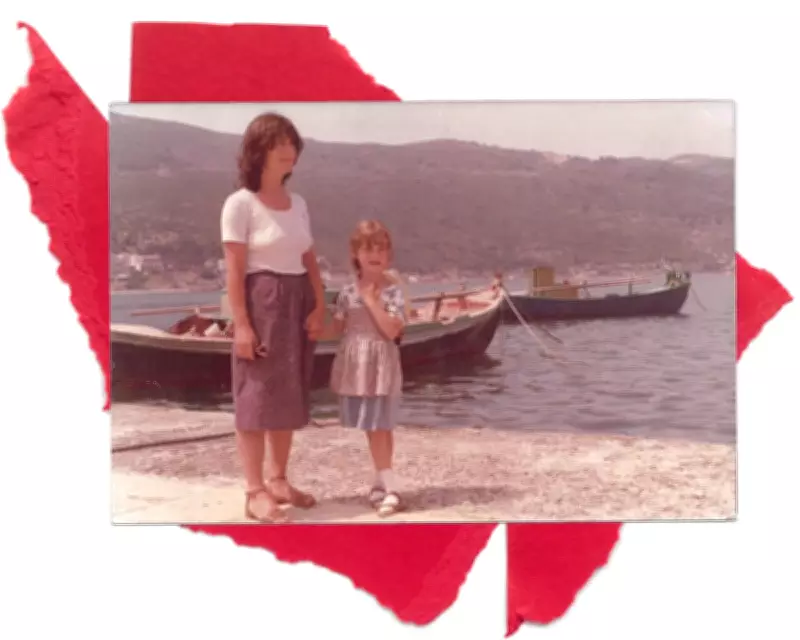
Emma with her mother in Greece circa 1980. Composite: Guardian Design; supplied image. My mother's best advice was simple yet transformative: "You're allowed to enjoy nice things." This mantra, with its dual emphasis on both the nice things and the permission to have them, shaped my upbringing and continues to influence my life today.
The Restorative Power of a Treat
My mum was a fervent believer in the healing effects of small indulgences. She regularly treated herself to solo breakfasts, often enjoying a bacon muffin and coffee in the serene ambiance of Bettys Tea Rooms. She never hesitated to order chips at the slightest excuse, and she had an uncanny knack for discovering chic hotels long before the internet made it easy. Department store salesladies often persuaded her to splurge on expensive skincare products, and she embraced these moments wholeheartedly.
Generosity Towards Others
Her generosity extended far beyond herself, especially towards me. During my difficult teenage and early adult years, when I struggled with illness and body image issues, she lavished me with care. She took me for extravagant lunches, booked massages, and accompanied me on spa trips. I recently unearthed a note she sent me during my lonely and stressful finals, which likely included some cash. It read, "Buy yourself something frivolous darling, a nice nail polish?" This gesture encapsulated her philosophy of finding joy in the little things.

Overcoming a Humble Background
This might paint her as a bit of a princess, but nothing could be further from the truth. The second part of her advice stemmed from her own challenging upbringing. She grew up in a large family with very limited financial means, taking on caring responsibilities from a young age. In that environment, treats were a rarity. Feeling entitled to nice things and beautiful places wasn't a given; she had to cultivate the confidence to pursue and savor them. Her quest for ease and beauty was a quiet act of defiance against her austere past.
Emma Beddington and her mum, pictured at the Arènes de Nîmes, France c 1977. Photograph: Courtesy of Emma Beddington. I was fortunate to grow up with more financial stability than she did, but I lacked her boldness. Many of the places she introduced me to felt intimidating at first, but she turned it into a playful challenge, an implicit "I dare you." Following her lead, I gradually found the courage to enjoy myself, whether it was observing elegant patrons in a Parisian brasserie, trying on a delicate cashmere coat, or being happily convinced to buy a lipstick promised to change my life.
Cultivating the Habit of Permission
Feeling allowed to indulge is a habit that requires constant nurturing. Now in my 50s, I still occasionally catch myself wandering through unfamiliar towns, peering into inviting shop windows like a forlorn figure, too hesitant to enter nice places. I worry about feeling out of place or embarrassing myself.
When this happens, I give myself a firm pep talk and channel my mother's spirit. I remind myself that I'm allowed to sit and sip tea in a grand hotel where I'm not a guest. I can confidently walk into an intimidatingly empty antique shop, as if I'm shopping for a £40,000 stuffed giraffe. I can dine alone in a restaurant with crisp tablecloths and heavy silverware, rather than hastily eating a sandwich on a hotel bed. And I can do all this because she's there in my mind, whispering "go on."
The Profound Impact of Frivolity
Yes, it's frivolous, and it certainly doesn't help my bank balance. But granting yourself permission to engage in joyful, indulgent activities is incredibly empowering. This is especially true during times of sadness, fear, or when the world seems to be crumbling. We're here for a good time, not a long time—a poignant reminder as my mum passed away at just 63. She was en route to Rome, and I have no doubt she was planning a delightful lunch.