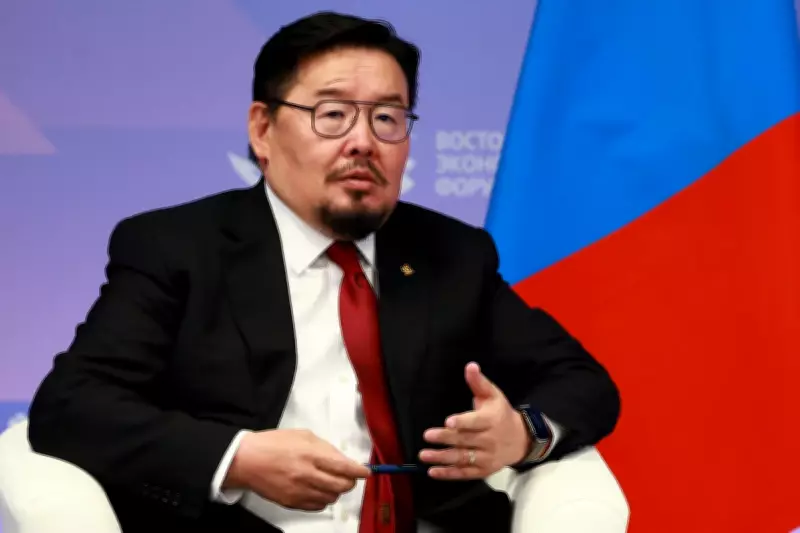
Mongolia's ruling party has officially selected a new candidate for the position of prime minister, following the abrupt resignation of the previous head of government after just nine months in office. The Mongolian People's Party (MPP) nominated Uchral Nyam-Osor, the current party chairman and speaker of Parliament, during a crucial party meeting on Sunday.
Political Turmoil and Resignation
The former prime minister, Zandanshatar Gombojav, stepped down from his role amid significant political pressure. His resignation was triggered by corruption allegations against one of his senior ministers, which sparked widespread controversy. Additionally, the opposition Democratic Party has been boycotting parliamentary sessions since earlier this month, protesting what they describe as an excessive concentration of power within the ruling party.
A Compromise Candidate Emerges
Uchral Nyam-Osor, who first joined the MPP in 2009, is widely viewed as a compromise figure capable of bridging divides between different factions within the party. His nomination, reported by the state news agency Montsame, comes at a critical juncture for Mongolia's political stability. The ongoing turmoil is expected to further erode public trust in the government, highlighting persistent challenges in the nation's democratic framework.

Historical Context and Democratic Challenges
Mongolia transitioned from a one-party Communist system to a democracy in 1990, establishing itself as a relatively new democratic state. Despite holding regular elections, the country continues to grapple with deep-seated issues of corruption and a political system that many citizens believe disproportionately benefits elites. These concerns have fueled public dissatisfaction and complicated governance efforts.
Economic Implications and Foreign Investment
The political volatility and short tenures of successive governments have made foreign investors cautious about engaging with Mongolia. The nation, with a population of 3.4 million, relies heavily on mining exports to neighboring China. However, shifting regulations and ongoing corruption scandals have created an unpredictable business environment, hindering economic growth and stability.
As Mongolia navigates this period of political transition, the nomination of Uchral Nyam-Osor represents a pivotal moment. The outcome will likely influence both domestic governance and international perceptions, shaping the country's trajectory in the coming months.