UK Newsrooms Accused of 'Apartheid' as Minority Journalists Report Exclusion from Top Roles
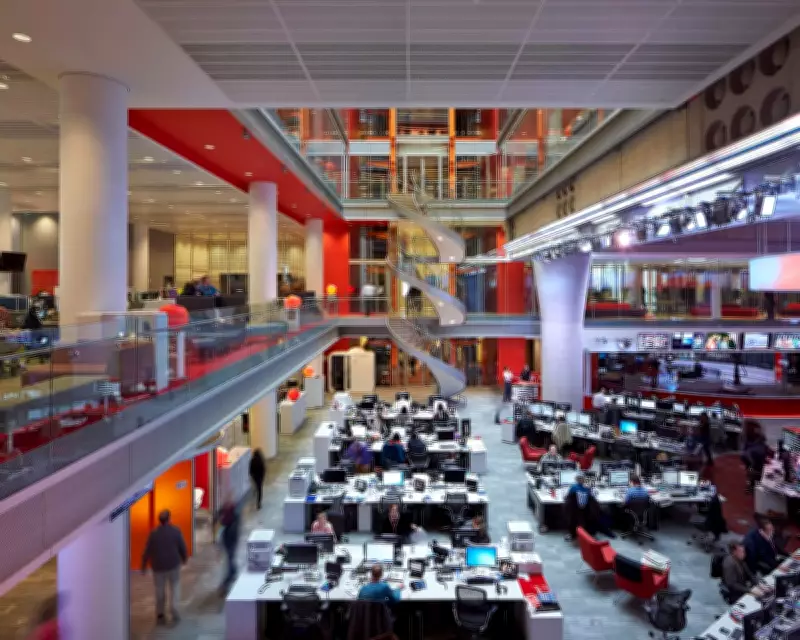
A damning report has exposed that broadcast journalists from ethnic minority backgrounds in the UK remain locked out of senior positions and face a backlash after being perceived as "diversity hires." The study, commissioned by the Sir Lenny Henry Centre for Media Diversity and co-authored by ITV News's global security editor Rohit Kachroo, surveyed 80 journalists and conducted follow-up interviews, revealing deep-seated issues in television newsrooms.
Diversity Initiatives Labelled as 'Performed Rather Than Embedded'
Despite a sustained focus on racial diversity among Britain's major broadcasters in recent years, the report concluded that efforts have been "performed rather than embedded." This has left minority ethnic journalists feeling excluded from influential posts and resented by colleagues. The findings highlight a stark contrast between public commitments to inclusion and the daily experiences of staff.
One respondent described the environment as an "apartheid newsroom," noting a disproportionate number of people of colour in lower-level roles while senior positions remain overwhelmingly white. Another journalist, who did not benefit from a diversity scheme, expressed frustration: "People assume you're a diversity hire when you're there on hard work and merit. It's a double-edged sword."

Backlash and Structural Barriers Hinder Career Progression
The report detailed a growing backlash against diversity initiatives, with some white colleagues openly mocking efforts and claiming that white men are being held back. One interviewee stated, "White middle-aged men publicly mock diversity initiatives in my newsroom every single week." This resentment is compounded by structural barriers, as many minority journalists reported limited opportunities for advancement.
Of those surveyed, 70% said there were insufficient chances for career progression, and 63% reported experiencing racism in their workplace. Several interviewees, including some in their first national newsroom jobs after being recruited through diversity programmes, described being confined to second-tier roles. "We can't become editor, or political editor, or even Middle East editor," one said. "The system is still skewed for us to aspire only to the second tier of roles."
Calls for Transformative Change and Inclusive Assessment
Co-authors Rohit Kachroo and Ellie Tomsett, a senior lecturer at Birmingham City University, emphasised that diversity initiatives themselves are not the problem. However, they warned that without meaningful change, such programmes risk becoming "symbolic rather than transformative." The report recommends that news organisations involve journalists of colour in assessing the effectiveness of diversity efforts over the past five years.
It also stresses that awareness and commitment from white staff are essential for these initiatives to succeed as planned. "For many, the result has been stagnation, frustration, and in some cases exit from the industry," the report noted, underscoring the urgent need for action to retain diverse talent and ensure equitable opportunities in UK broadcasting.