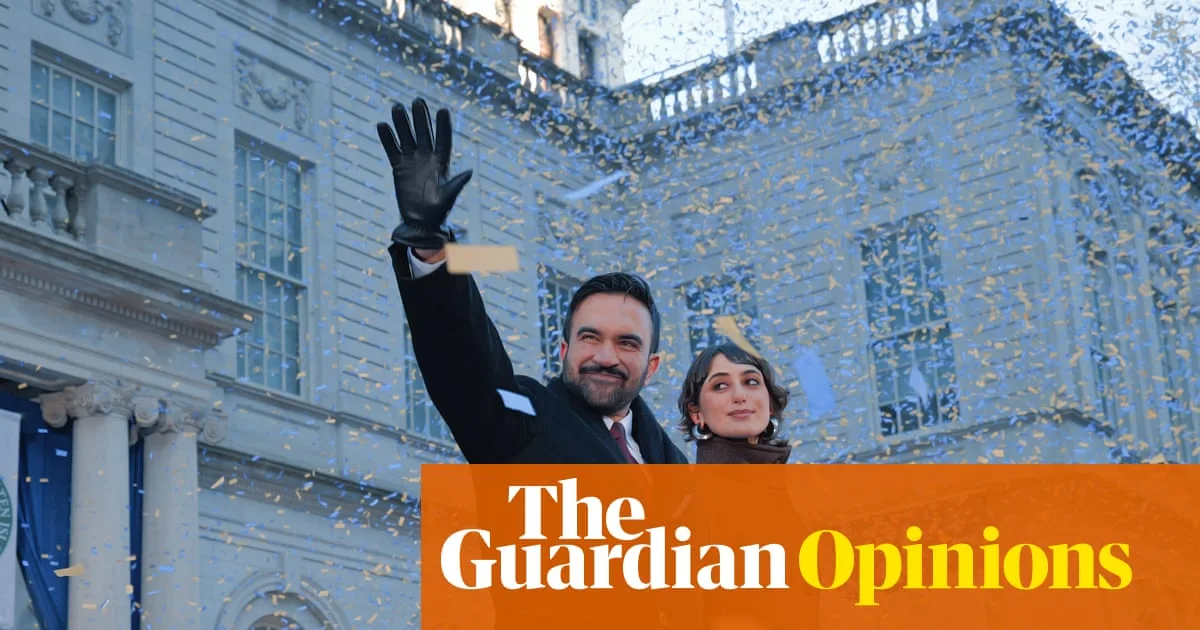
The political landscape of New York City has been dramatically reshaped with the historic inauguration of its new mayor, Zohran Mamdani. Sworn in on 1 January at a ceremony attended by his wife, Rama Duwaji, Mamdani's ascent marks a series of significant firsts for the United States' largest metropolis.
A Historic Mandate for Progressive Change
Mamdani's election victory in November was nothing short of remarkable. He secured more votes than any mayoral candidate since the 1960s, riding a wave of support for his ambitious policy platform. At 36, he is the youngest mayor of New York in over a century and brings a unique personal history to the role as the first Muslim, first south Asian, and first African-born individual to hold the office.
Politically, analysts regard him as the most leftwing occupant of City Hall since the era of Fiorello La Guardia in the 1930s and 40s. His campaign centred on a powerful, simple promise: to transform New York into "a city we can afford." This vision has placed him at the forefront of a burgeoning progressive movement, with his success watched closely by political parties on both sides of the Atlantic.
The Affordability Agenda: A Blueprint for Renewal
The cornerstone of Mayor Mamdani's platform is a sweeping programme of civic renewal designed to alleviate the crushing cost of living for residents. His key pledges include:
- Introducing free universal childcare.
- Dramatically increasing the availability of cheaper, social housing.
- Implementing broad measures to reduce everyday expenses for New Yorkers.
To fund this ambitious agenda, Mamdani has restated his commitment to raising tax rates on the very wealthy and on corporations. This politics of redistribution has forged a potent electoral coalition, uniting young renters, union members, migrants, and segments of the professional middle class.
His budget chief, Sherif Soliman, has encapsulated the mission, stating that New York must be a livable home not just for Wall Street elites, but for "low-wage workers, be it in retail or healthcare."
Global Implications and Formidable Challenges
The implications of Mamdani's mayoralty extend far beyond the five boroughs. Progressive movements worldwide see New York as a high-stakes test case for a radical politics of inclusion. The affordability message that propelled him to victory has already influenced Democratic strategies in states like New Jersey and Virginia.
In Europe, similar focus on material concerns has proven effective, as seen in the surprise victory of the D66 party in the Netherlands, attributed to its serious approach to the housing crisis. Mamdani's model presents a potential blueprint for countering the populist far-right by addressing the economic anxieties that often fuel its rise.
However, the path ahead is fraught with difficulty. Formidable headwinds await, including:
- Federal funding negotiations with a hostile Trump administration.
- Fierce opposition to proposed tax increases, even from within his own party, such as from New York State Governor Kathy Hochul.
- The inherent challenge of managing a complex coalition in a city of stark contrasts.
Nevertheless, the political courage and charismatic appeal Mamdani demonstrated during his campaign suggest a leader prepared to confront these obstacles. In an era where traditional blue-collar voters continue to drift rightwards, the success or failure of his progressive ambition in the heartland of global capital carries profound significance for the future of left-wing politics.