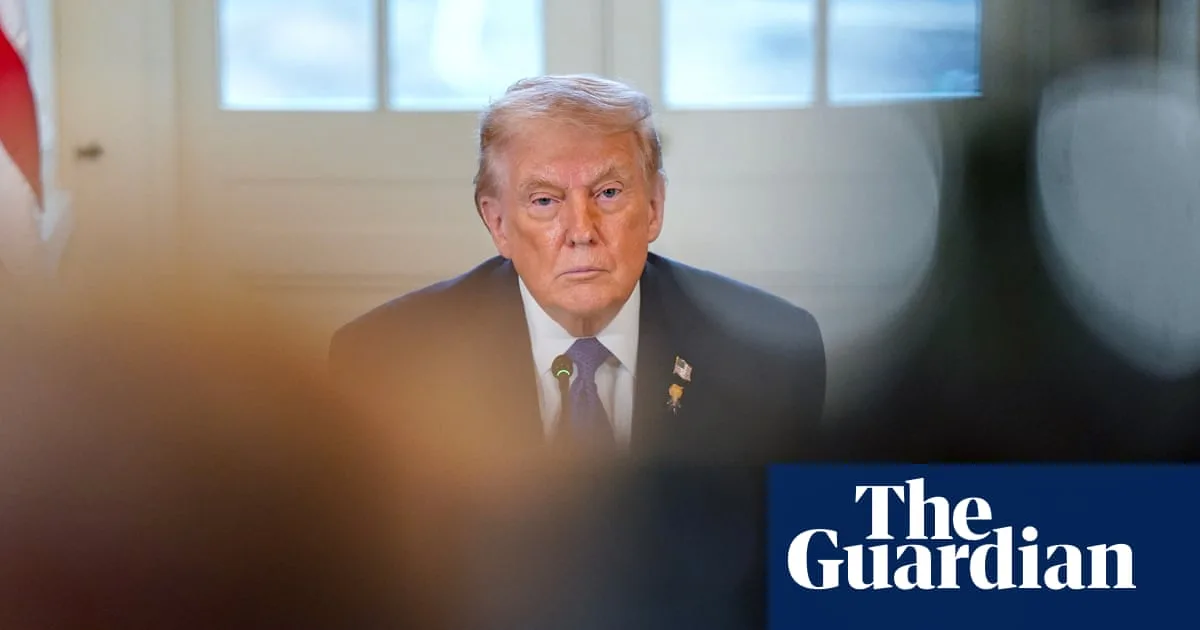
Donald Trump's transactional governing and fundraising style is creating a 'new gilded age' where wealthy donors reap political and financial benefits, according to ethics experts and scholars. Major contributors to Trump's Maga Inc PAC and other causes have gained lax regulations, federal contracts, and other advantages, blurring the line between money and governance.
Public filings show Trump's Super PAC raised $300 million in 2025, expected to fund the 2026 midterm elections, while his White House ballroom project has garnered $350 million. The cryptocurrency industry, which donated millions, has benefited from strong administration backing, with Trump and his family launching their own crypto business, World Liberty Financial, in 2024.
Elon Musk, the world's richest man, donated a record $290 million to help elect Trump and now leads the 'department of government efficiency' to slash federal spending. Musk's net worth rose to $726 billion by end of 2025, partly due to SpaceX securing billions in Pentagon contracts, including for the Golden Dome missile defense system.
Experts draw parallels to the late 1800s Gilded Age, when industrialists amassed fortunes through monopolies and corruption. Larry Noble, former Federal Election Commission general counsel, said Trump's fundraising is 'unprecedented' and treats governance as a 'pay-to-play business', where donors expect returns such as dropped investigations or approved deals.
Critics note that while millions of Americans face rising costs for electricity, healthcare, and food, Trump has dismissed affordability concerns as a 'hoax'. Scholars warn that the intertwining of wealth and policy under Trump has reached dangerous levels, echoing historical eras of graft and bribery.