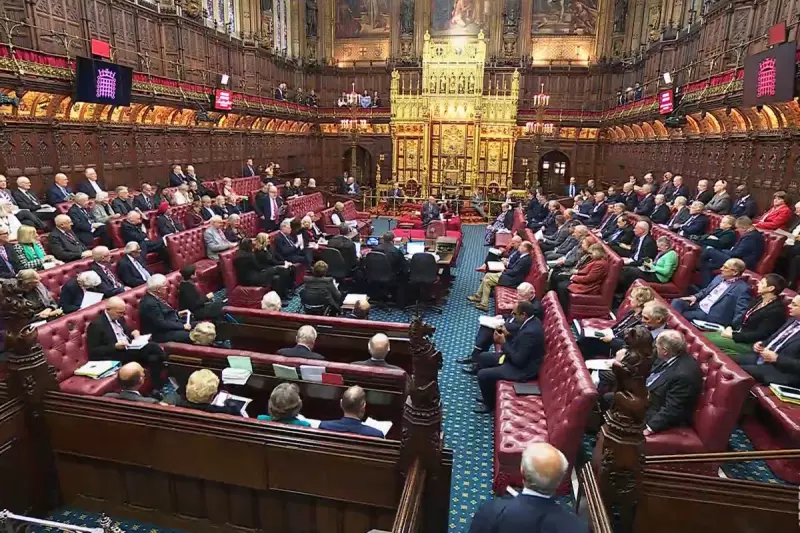
A protracted debate in the House of Lords on proposed legislation to legalise assisted dying is projected to cost the British taxpayer close to £2 million, according to financial estimates based on peers' attendance and allowances.
Financial Toll of a Landmark Debate
The significant sum covers the 16 days allocated for the detailed consideration of the Assisted Dying Bill. Peers have already claimed £270,807 for just two days of debate held in September 2025, highlighting the scale of the ongoing parliamentary scrutiny. The debate has been extended due to the introduction of a staggering over 1,000 proposed amendments, a move that has sparked accusations of time-wasting from the Bill's supporters.
Clashing Perspectives on Scrutiny and Cost
Opponents of the legislation, including former Prime Minister Theresa May, argue that such rigorous examination is essential, particularly over safeguarding concerns for vulnerable individuals. In contrast, campaigners in favour believe the process is being deliberately drawn out.

The campaign group My Death, My Decision has expressed a nuanced view. While criticising the "disproportionate" number of amendments tabled, a spokesperson stated that if the debate ultimately leads to a compassionate law, the cost would be "worth every penny" to secure choice at the end of life.
What the Assisted Dying Bill Proposes
The Bill under such intense scrutiny seeks to permit assisted dying for terminally ill adults in England and Wales. The proposed criteria are strict: applicants must be diagnosed with less than six months to live, and any request would require approval from two independent doctors and an official panel. The debate, which continued on Friday 9 January 2026, remains one of the most morally and legally complex issues before Parliament.
As the Lords' discussion continues, the financial implications are set to rise, placing the cost of democratic scrutiny under the spotlight as much as the deeply personal issue of assisted dying itself.