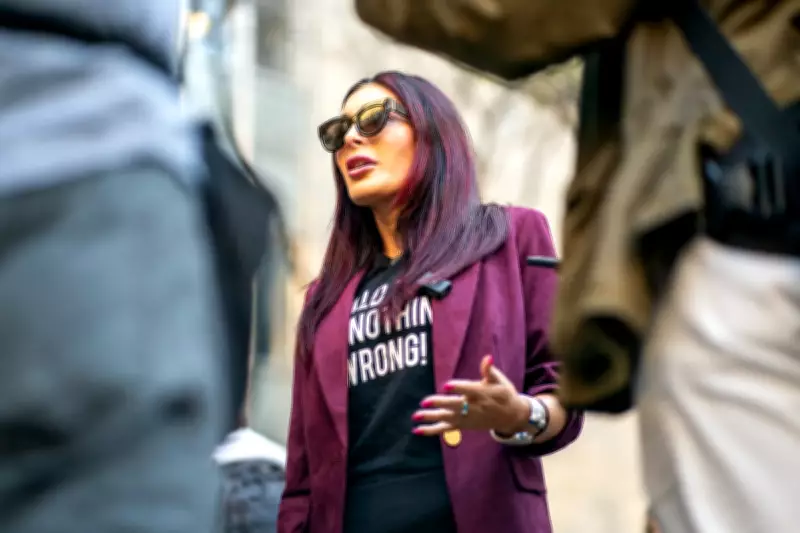
Right-wing activist and influencer Laura Loomer has launched a scathing critique of the recent ceasefire agreement between the United States and Iran, describing the diplomatic arrangement as profoundly detrimental to American interests. Loomer, known for her extensive history of making Islamophobic remarks, insisted that President Donald Trump should have continued military strikes against the Iranian regime rather than pursuing a temporary truce.
Ceasefire Deal Reopens Strategic Waterway
The two-week ceasefire, brokered by Pakistan, includes provisions to reopen the Strait of Hormuz to international shipping traffic while negotiations continue to establish a more permanent end to hostilities. This strategic maritime corridor had been a focal point of regional tensions, and its reopening represents a significant development in the conflict.
Loomer's Forceful Rejection of Diplomacy
In a series of posts on social media platform X, Loomer vehemently rejected the ceasefire arrangement, characterising it as "awful for America" and asserting that the United States "didn't really get anything out of it." She argued that the temporary pause in hostilities would ultimately fail and that the Iranian regime needed to be "wiped out" entirely.

"I don't know why people are acting like this is a win," Loomer wrote. "The ceasefire will fail. And Trump will be proven right about how this regime needs to be wiped out. It has already failed. The negotiation has been a failure so those who are celebrating while undermining Trump are misguided."
Historical Context of Controversial Rhetoric
Loomer's comments follow her established pattern of inflammatory rhetoric targeting Islam and Muslim communities. She has previously labelled Islam "a cancer on humanity" and "anti-American," while making sweeping accusations about Muslim individuals being terrorists. Her remarks have extended to suggesting it should be "illegal" for Muslim people to seek elected office.
In her latest statements regarding the Iran situation, Loomer appeared to refer to Iranians broadly as "Muslim terrorists" while praising Trump's approach as "100% America First." This perspective emerged despite widespread criticism of Trump's earlier social media post threatening Iranian "civilization," which many interpreted as a genocidal threat.
Political Calculations and Predictions
The controversial activist connected the ceasefire debate to domestic political concerns, suggesting that Republican electoral prospects might suffer due to what she characterised as insufficient support for Trump's agenda. "We are already losing the midterms due to the incompetence of GOP Reps who refused to codify President Trump's agenda in my opinion, so you might as well destroy the regime," Loomer stated, referencing upcoming congressional elections.
She further predicted that the ceasefire would eventually collapse while blaming negotiation participants rather than the president himself for the diplomatic approach. Loomer accused unnamed individuals of undermining Trump by leaking private Situation Room conversations to media outlets, suggesting internal administration conflicts over the Iran policy.
Influence Without Official Position
Despite holding no formal government position or official role within the administration, Loomer maintains significant influence with President Trump according to multiple reports. Last year, Trump reportedly dismissed National Security Council staff members based on Loomer's recommendations after she alleged disloyalty to the president.
Her ability to shape personnel decisions and policy discussions highlights the unconventional channels through which certain right-wing influencers can affect presidential decision-making, even without traditional credentials or official responsibilities within the federal government structure.
The temporary ceasefire continues to face criticism from various quarters, with Loomer representing the most vociferous opposition from Trump's political base. As negotiations proceed toward a potential longer-term agreement, the activist's comments underscore the significant divisions within conservative circles regarding appropriate approaches to international conflicts and diplomatic engagement with adversarial nations.