The Labour government has executed a significant, if partial, policy reversal regarding inheritance tax on farms, only to immediately provoke fresh outrage in the countryside with a separate announcement to outlaw trail hunting.
A Taxing Retreat for Rural Voters
Facing widespread protest from farmers and rural communities, Labour has backed down from its initial plan to impose inheritance tax on agricultural estates. The government has now increased the threshold at which the tax becomes payable from £1 million to £2.5 million. For farms jointly owned by spouses or civil partners, this threshold doubles to £5 million.
While this climbdown offers relief, it has not fully repaired the damage. Many in rural areas remain convinced that the Labour Party fundamentally misunderstands their way of life. There is a persistent fear that, even with less oppressive tax rates, numerous family farms will struggle to survive the transition between generations.

The New Battle: Banning Trail Hunting
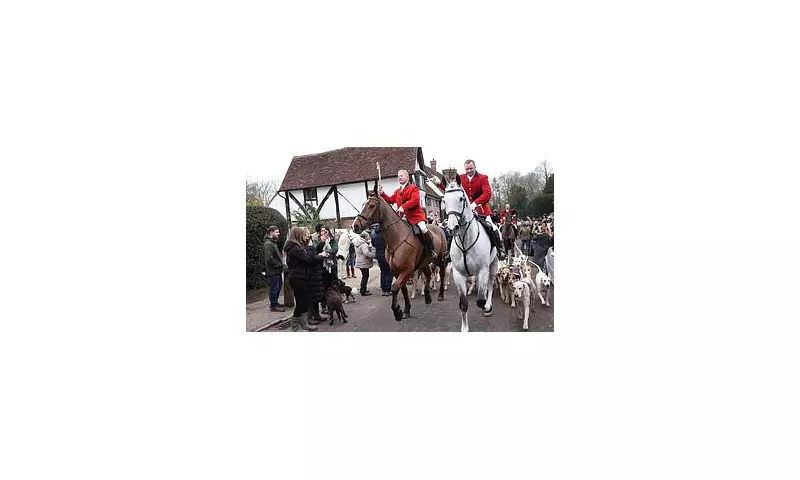
Almost simultaneously with the inheritance tax retreat, the government confirmed its intention to ban trail hunting with dogs. This practice, distinct from the fox hunting outlawed in 2004, involves hounds following a pre-laid scent across country, pursued by riders on horseback.
Critics, including animal rights activists, allege that the activity can lead to foxes being chased and killed, though definitive numbers are not established. Supporters of hunting privately concede occasional incidents may occur, but argue these involve relatively small numbers of what they classify as agricultural pests.
Political and Economic Repercussions
The proposed ban is set to meet fierce opposition. Defenders of trail hunting argue it contributes an estimated £100 million annually to the rural economy and is a cherished social tradition. They warn that a ban would force hunts to close, leading to job losses and the culling of foxhounds that could no longer be maintained.
The precedent in Scotland, where trail hunting was banned in 2023, is stark: nearly half of all hunts have since closed. A similar pattern is anticipated in England if the legislation proceeds.
This move places Prime Minister Sir Keir Starmer in a difficult position. Following the 2024 election, Labour now holds over 100 rural seats in England, many for the first time. The dual actions on tax and hunting risk alienating these new constituencies.
Commentators draw parallels with Tony Blair's experience, who later admitted the hunting issue caused him immense "grief" and that he came to understand it was a deeply embedded tradition, not a niche cruelty.
Opposition to the ban is not confined to hunt participants. Reform UK leader Nigel Farage labelled the government "authoritarian control freaks" over the issue, highlighting a broader cultural divide. Many see the policy as an imposition of urban values on rural life, questioning the proportionality of targeting a legal activity for the potential saving of a few hundred foxes annually.
The controversy raises fundamental questions about the rights of minorities to pursue lawful traditions and the government's approach to rural Britain. With the inheritance tax row still simmering, the trail hunting ban threatens to cement a perception of a metropolitan-led administration at odds with the countryside.