Labour's Internal Turmoil Deepens as Starmer Faces Leadership Crisis
Within every Labour administration, regardless of its perceived shortcomings, there have consistently been pragmatic individuals striving to govern effectively for the British public. Amidst the chorus of dogmatic voices and virtue-signalling figures, a core group of competent men and women typically emerges, possessing genuine expertise and understanding.
Historical Patterns of Conflict and Defeat
Historically, clashes between these sensible elements and the party's militants have often culminated in electoral setbacks and Labour's defeat at the polls. The current Keir Starmer Government, however, appears predominantly controlled by ideologues and fanatics from its inception.
The evisceration of welfare reforms during the previous summer, orchestrated by backbench rebels, starkly illustrated the Prime Minister's growing captivity to his own Left flank. Starmer consciously abandoned essential fiscal reductions to preserve his political survival, opting instead to escalate taxation and borrowing, thereby plunging the economy further into disarray.

Avoiding Confrontation at Future Generations' Expense
By sidestepping direct confrontation, Starmer has imposed unsustainable debt burdens on future generations while stifling economic growth with new and detrimental taxes. This strategy has yielded little benefit for his leadership. Increasing numbers of Labour MPs now perceive their chosen leader as a liability, more likely to jeopardise their parliamentary seats than secure them.
Starmer's continued tenure primarily serves as a protective buffer, absorbing criticism and ridicule until he can shoulder blame for anticipated poor performances in upcoming local and devolved elections this May. Following this sacrificial role, his occupancy of Downing Street may prove short-lived.
Withdrawal and Mounting Pressure
Even amidst global conflicts and domestic upheaval, Sir Keir exhibits pronounced signs of retreat, possibly anticipating vociferous demands for his resignation post-May elections. Factional divisions are intensifying, with former deputy leader Angela Rayner, despite past controversies, openly positioning herself for influence.
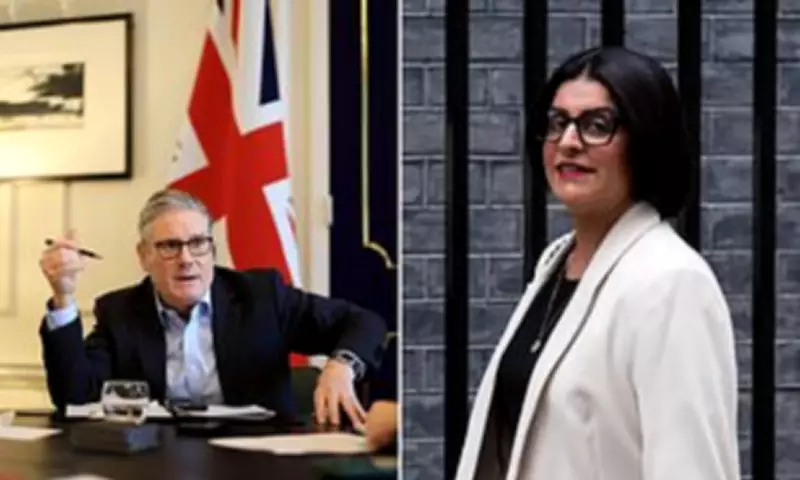
Rayner's recent critique of Home Secretary Shabana Mahmood's proposals to strengthen immigration regulations constituted a direct overture to Labour's ideological left. This move signals that Starmer's potential departure could trigger a profoundly divisive struggle for the party's future direction.
Immigration Policy as a Flashpoint
The Mail on Sunday reports that Home Secretary Mahmood, known for her firm stance, is threatening resignation if Rayner succeeds in weakening her immigration framework. This defiant posture garners support from numerous Red Wall MPs, who recognise their party's remaining working-class constituents' intolerance towards perceived immigration leniency.
These voters may abandon Labour if open-borders liberals regain dominance. Previously, such backing might have sufficed to counter Rayner's influence, but the political landscape has grown more complex.
Multifaceted Electoral Threats
While Labour fears losing support to Nigel Farage's Reform-UK on the right, it simultaneously faces vigorous assaults from the resurgent Greens on the left, buoyed by their victory in Gorton and Denton. British politics, once dominated by Red and Blue, is rapidly transforming into a fragmented and unpredictable arena.
This scenario lacks modern precedent. Observers hope that escalating left-wing divisions may benefit the political right, provided conservative factions can cease internal conflicts and present a united front.