
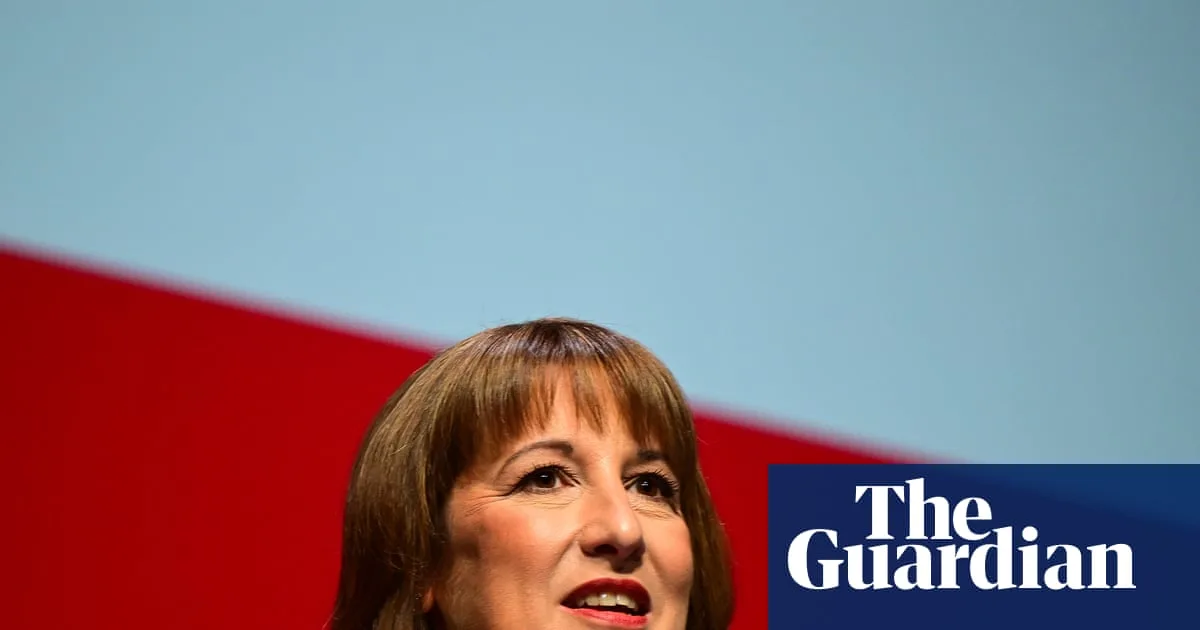
Chancellor Rachel Reeves could raise as much as £45bn in taxes without breaching Labour’s manifesto promises, according to a report from US investment bank Morgan Stanley. The analysis comes as Reeves prepares for the 26 November budget, with economists warning of a potential £30bn shortfall in the public finances.
The report suggests Reeves faces tough trade-offs between tax rises, spending cuts, and limiting political and economic fallout. Morgan Stanley’s chief UK economist, Bruna Skarica, said: “Tax-wise, we can see [about] £25bn of measures that don’t breach the spirit of the Labour manifesto, are not outright inflationary, and can be implemented at a gradual pace.”
Possible tax-raising measures include extending the freeze on income tax thresholds for at least another year, which could generate between £7bn and £10bn. Other options include taxes on gambling, the banking industry, changes to council tax, and an overhaul of pension taxation. The bank estimates total revenue could range from £25bn to £45bn.
The chancellor has been warned by business leaders against tax rises targeted at industry, while Labour is bound by manifesto pledges not to raise income tax, national insurance, or VAT. However, some senior figures – including Darren Jones, the chief secretary to the Treasury – have appeared to flirt publicly with breaching those pledges.
Morgan Stanley noted that breaking manifesto commitments could help satisfy bond markets, as it could raise billions while limiting the economic impact. “The most gilt market-friendly outcome is one where, perhaps in a breach of manifesto commitments, the government introduces [about] 1% of GDP in tax hikes next year,” the report said.
The Office for Budget Responsibility is expected to hand its pre-measures forecasts to the Treasury this week, which will inform the budget. Reeves used her party conference speech to warn against abandoning fiscal responsibility, while Sir Keir Starmer said the fiscal rules were “non-negotiable”.




