Labour Backbenchers Revolt Against Chancellor's Tax Plans
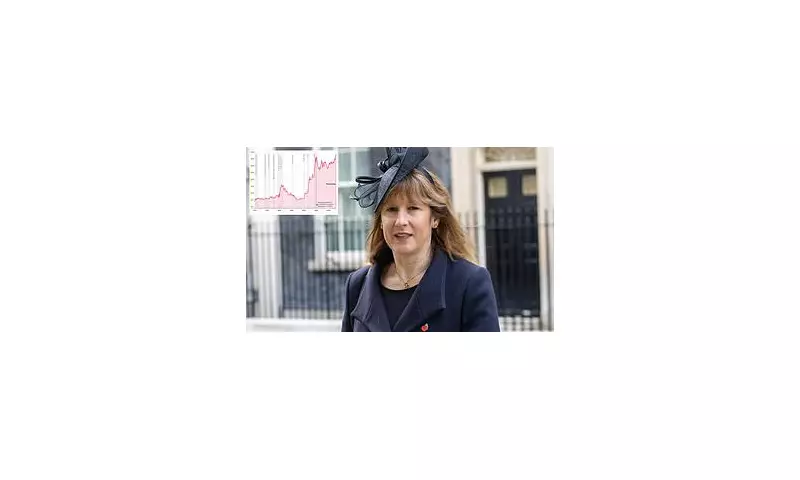
Chancellor Rachel Reeves is confronting a significant rebellion within her own party as she prepares for her first Budget announcement on November 26. Senior Labour figures are warning that breaking explicit manifesto promises on taxation could trigger catastrophic political consequences, drawing comparisons to the Liberal Democrats' disastrous tuition fees U-turn in 2015.
The Treasury's Tax Dilemma
The Chancellor has been dropping heavy hints that income tax could increase in her Budget package, despite Labour's manifesto explicitly ruling out rises to income tax, National Insurance, or VAT. Such a move would represent the first increase in the income tax rate since 1975, as Ms Reeves struggles to fill a financial black hole estimated at between £20 billion and £40 billion.
MPs are growing increasingly alarmed at signals emerging from the Treasury, which is due to receive the first costings of draft policies from the Office for Budget Responsibility watchdog today. The tension within government ranks is becoming increasingly public, with former minister Cat West telling the BBC's Westminster Hour that breaking manifesto commitments could prove as damaging for Labour as the tuition fees backtrack was for the Lib Dems.
Cabinet Concerns and Political Fallout
Cabinet ministers have been privately voicing concerns about the potential fallout should Ms Reeves and Prime Minister Keir Starmer choose to raise taxes. Labour's recently-installed deputy leader Lucy Powell insisted last week that it was 'really important' to stick to election promises, highlighting the depth of division within the party.
Meanwhile, left-wing Labour MPs have been pushing for Ms Reeves to target the 'wealthy', despite fears that such measures could deliver another devastating blow to hopes of accelerating economic growth. Rumours have been swirling about potential revenue-raising measures, including raids on 'mansions', pensions, and savings.
In a rare pre-Budget speech last week, Ms Reeves admitted that everyone will have to 'contribute' to stabilising the government's finances. She insisted the country must collectively address the financial gap, citing a lengthy list of contributing factors including Brexit, Conservative policies, Covid, the Ukraine war, and President Trump's tariffs.
Despite the growing backlash, Ms Reeves remained defiant, stating she was 'not going to walk away because the situation is difficult'. The political stakes couldn't be higher, with the Chancellor's Budget decisions likely to define both her tenure and the government's relationship with voters who trusted their manifesto commitments.