Labour Figures Advocate for Economic Overhaul at Growth Conference
In a significant gathering in London on Tuesday, Labour MPs used the national growth debate to outline a vision for the party's future direction, emphasising the need for bold policies to shield ordinary citizens from global crises. The event, organised by the Good Growth Foundation, took on the atmosphere of a leadership showcase, with key figures debating economic strategies amid ongoing speculation about the Prime Minister's tenure.
Rayner Urges Focus on Everyday Hardships
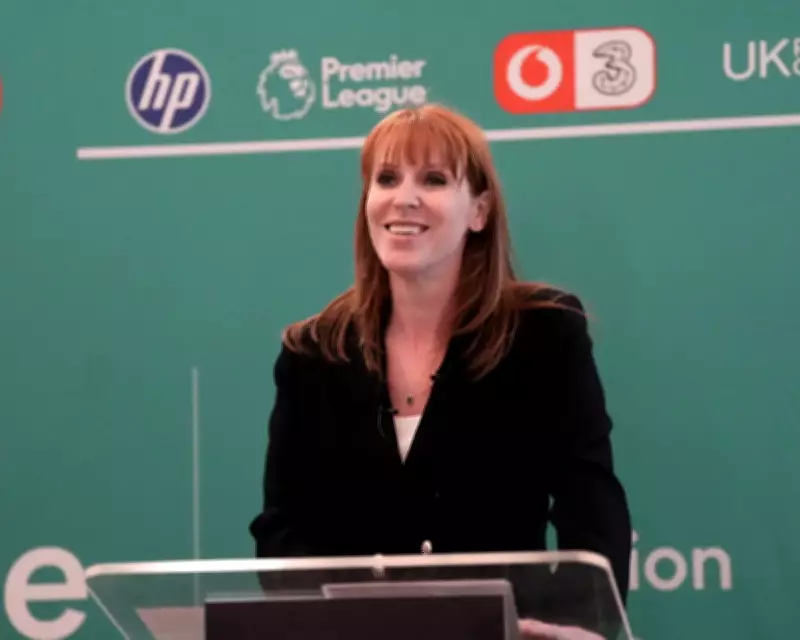
Angela Rayner, the former deputy prime minister and a last-minute addition to the programme, delivered a speech dismissing the Westminster scandal involving Peter Mandelson. She argued that the government must prioritise addressing the daily struggles faced by the public, particularly in light of the Middle East conflict and its potential economic repercussions.
"Ordinary people fear they will once again pay the price," Rayner stated. "That is why this crisis calls for bold action. Help with people's everyday housing, transport, energy, and water costs." Her comments highlighted a shift towards more interventionist policies to mitigate the fallout from international tensions.

Criticism of Fiscal Rules and Tax System
During panel discussions, Labour MPs openly criticised the fiscal framework that has guided the party under Keir Starmer's leadership. They argued that the current rules, which include pledges not to raise income tax or national insurance, are overly restrictive and lack a clear purpose for driving growth.
Louise Haigh, a former transport secretary, voiced strong objections to the government's approach, stating it had "mistaken rules for responsibility." She called for a reassessment of how the Office for Budget Responsibility evaluates policies, urging a move away from an "obsession with fiscal headroom over all other measures of economic health."
Haigh also advocated for a comprehensive overhaul of the tax system, describing it as "outdated and regressive." She emphasised the need to address inequalities between employment and wealth, particularly targeting large corporations. "Our tax system is on the side of the billionaire owners of those companies while our neighbours who work in them feel abandoned and squeezed," she remarked, posing the fundamental question: "Whose side are we on?"
Leadership Dynamics and Policy Divergences
The conference revealed underlying tensions within the party, with Chris Curtis of the centrist Labour Growth Group criticising the cautious "Ming vase" strategy employed during the 2024 election. He argued that this approach, aimed at avoiding market or public alarm, had failed to resonate with voters and led to a lack of meaningful policy discussions.
Ed Miliband, the energy secretary, used his speech to announce measures to decouple electricity and gas prices, strongly defending the net zero agenda. He warned that issuing more North Sea drilling licences would not solve the UK's energy challenges, asserting, "I will not betray the future generations of this country." Miliband also suggested that Westminster overestimates public opposition to green policies, highlighting hope as a crucial element.
Rayner took care to praise Miliband as a "friend," while Darren Jones, the Prime Minister's chief secretary, countered calls for bolder action by noting, "If there were easy answers we would have taken them." This exchange underscored the ongoing debate within Labour about the feasibility and direction of economic reforms.
Implications for Labour's Future
The discussions at the growth debate reflect a broader struggle within the Labour Party to define its economic identity. With former ministers and rising stars advocating for significant changes to fiscal and tax policies, the event served as a platform for potential leadership contenders to articulate their visions. As speculation about the Prime Minister's future continues, these internal debates may shape the party's trajectory in the coming months, focusing on issues like cost-of-living relief, environmental sustainability, and social equity.