Labour MP Demands Starmer Address Human Rights With Nigerian President During State Visit
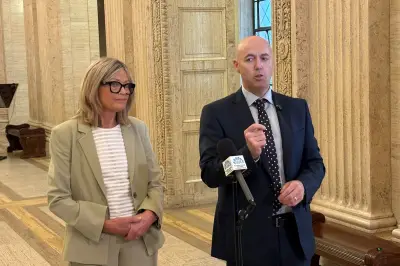
Senior Labour MP Fabian Hamilton has spearheaded a political backlash against the state visit of Nigeria's President Bola Tinubu, citing escalating concerns over human rights abuses and democratic integrity in the African nation. Hamilton, who chairs the influential All-Party Parliamentary Group on Human Rights, has written directly to Prime Minister Sir Keir Starmer, emphasizing that the British leader carries a profound "moral responsibility" to confront these critical issues during President Tinubu's official engagements.
Historic Visit Amid Democratic Concerns
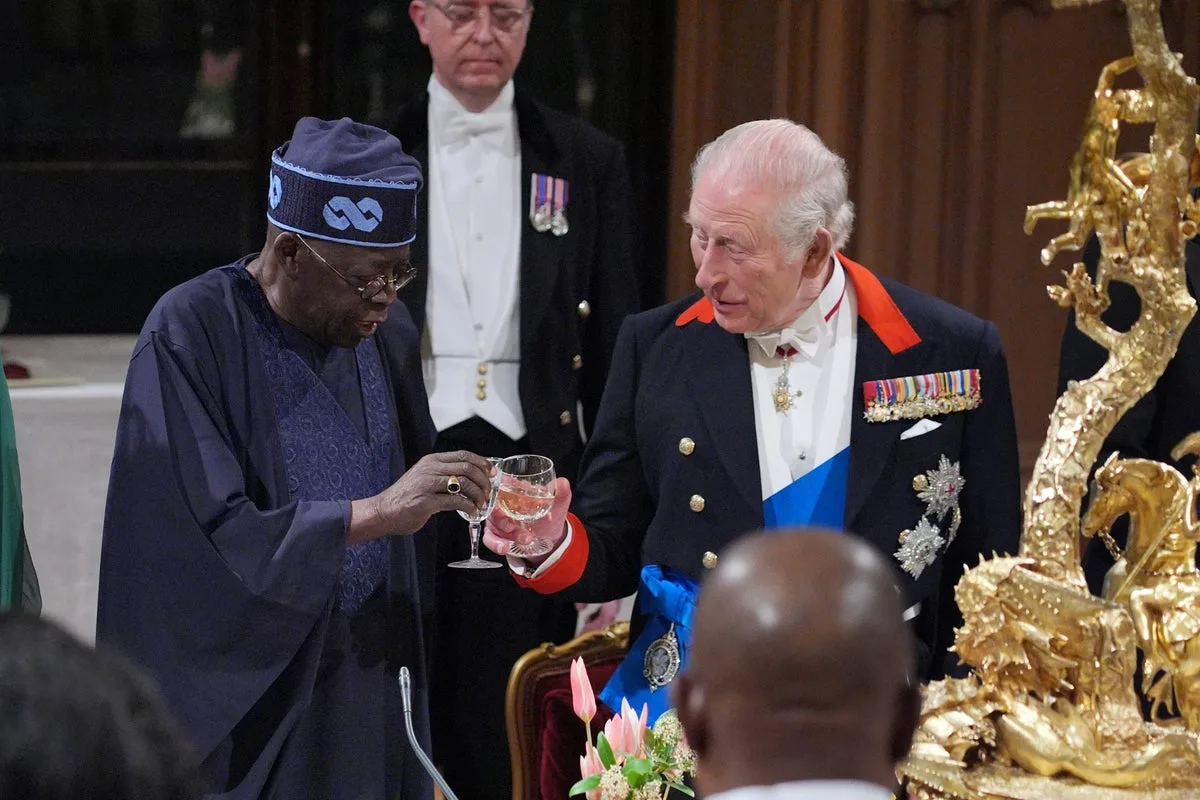
This state visit marks the first by a Nigerian president in thirty-seven years, occurring against a backdrop of significant political and social upheaval within the oil-rich country of 230 million people. President Tinubu commenced his visit on Wednesday, receiving a ceremonial welcome from King Charles at Windsor Castle, where the monarch hosted an elaborate state banquet in his honour. The Nigerian leader was scheduled to meet with Prime Minister Starmer at Downing Street following the royal reception.
In his urgent correspondence, Hamilton articulated the growing apprehension among MPs regarding what they perceive as "increasing" signs that Nigeria may be entering a dangerous phase of "democratic backsliding." The letter explicitly calls upon the UK government to outline precisely what representations it intends to make during the state visit concerning fundamental protections for human rights, the independence of the judiciary, and the overall health of Nigerian democracy.
Specific Areas of Alarm
The APPG's concerns are multifaceted and deeply troubling:
- Judicial Independence: Fears that Nigeria's judiciary is facing mounting political pressure, compromising its ability to function without interference.
- Political Space: Worries that the environment for political opposition and vibrant civil society is shrinking, stifling democratic participation.
- Religious Freedom: The letter highlights disturbing "reports of violence affecting religious communities" and "wider threats to freedom of religion or belief," describing these freedoms as essential pillars of any stable, democratic society.
- Electoral Integrity: Specific alarm is raised about provisions in Nigeria's Electoral Act that could permit a return to manual transmission of votes if electronic systems fail. Critics warn this could severely undermine transparency and public trust in the electoral process.
Hamilton stressed that the "strength and importance" of the UK-Nigeria relationship makes this state visit a "timely opportunity" to address these concerns directly with President Tinubu. "At such a moment, Britain has a moral responsibility to do everything it can to support and encourage Nigeria's democratic integrity," he wrote.
A Defining Test Ahead
Looking toward Nigeria's next presidential election in 2027, Hamilton framed the coming period as a "defining test of the country's democratic resilience." He emphasized that it is "vital" for elections to be "free, fair and credible," and that voters, political parties, civil society organizations, and the media must be able to participate fully "without intimidation or interference."
Royal Warmth and Cultural Celebration
Despite the underlying political tensions, the state banquet at Windsor Castle was a display of royal hospitality and celebration of cultural ties. King Charles praised the profound contributions of the Nigerian diaspora to British life, noting their excellence in business, technology, academia, law, science, sport, literature, and public service.
"From Afrobeats filling our concert halls and Nollywood captivating our screens, to stars competing in our Premier League and adjudicating our highest courts, so much of Britain's culture is, in truth, profoundly enriched by Nigeria," the King stated. The lavish menu featured quail egg tartlet, fillet of turbot, and lobster mousse, accompanied by a special mocktail named Crimson Bloom, crafted with the West African beverage Zobo.
President Tinubu, accompanied by First Lady Oluremi Tinubu, told attendees that the occasion signified Nigeria had "arrived" and was "transforming at a remarkable pace." A Buckingham Palace spokesperson characterized the visit as demonstrating "genuine warmth and mutual respect," underscoring the "strong friendship and wealth of opportunity" between the two Commonwealth nations, especially important given global geopolitical complexities.
This political intervention highlights the delicate balance the Starmer government must strike between maintaining strong diplomatic and economic ties with a major African partner and upholding its stated commitment to international human rights and democratic values.