
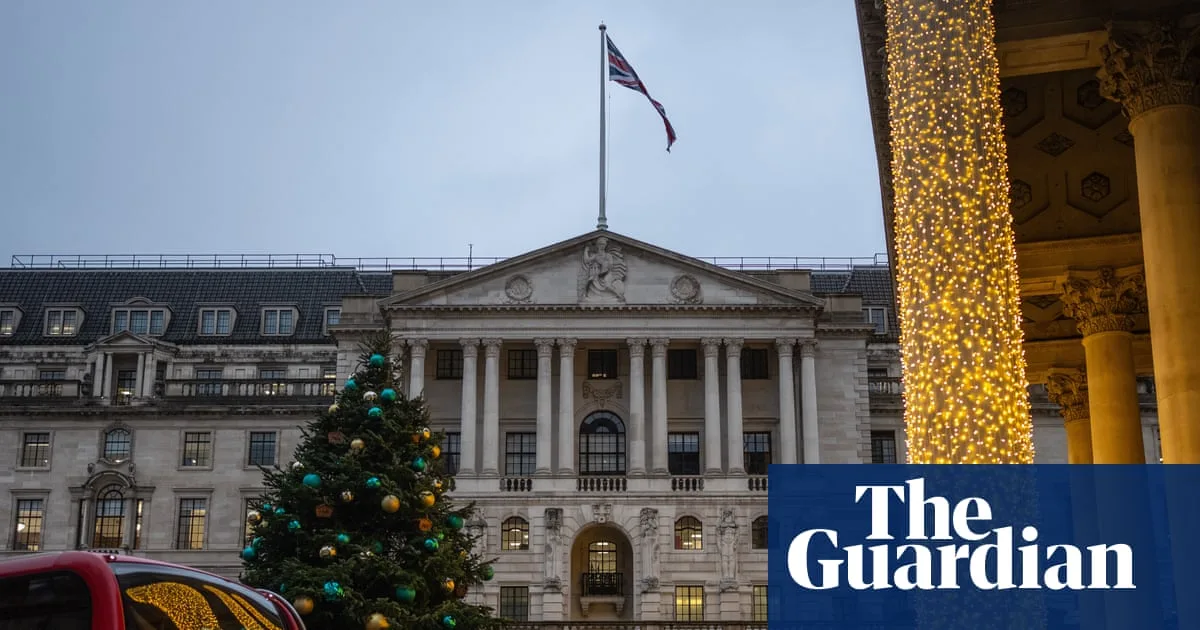
The Bank of England has cut interest rates by a quarter point to 3.75%, providing a pre-Christmas boost to the struggling UK economy. The decision, taken by a five-to-four vote among the Monetary Policy Committee, marks the sixth rate cut since Labour came to power last year.
Governor Andrew Bailey said future decisions would be a 'closer call', despite inflation falling to 3.2% in November from 3.6% in October. The Bank now expects inflation to be 'closer' to its 2% target in the first quarter of 2026.
The four MPC members voting to hold rates cited persistent inflation in services and strong wage growth. Chief economist Clare Lombardelli noted 'elevated wage growth' that could slow future easing. In contrast, the three internal members backing the cut saw upside risks receding, while external members Swati Dhingra and Alan Taylor warned of economic downturn risks from weak consumer spending.
Chancellor Rachel Reeves welcomed the cut as 'good news for families with mortgages and businesses with loans'. However, Paul Nowak of the TUC urged 'quickfire and substantial' further cuts, citing stagnant demand and failing confidence.
The economy shrank by 0.1% in October, marking four months without growth. Business groups blamed the £25bn increase in employer national insurance contributions for slowing the economy, a factor the Bank acknowledged as a 'one-off shock' restraining disinflation.




