Labour Government Announces Immediate Moratorium on Cryptocurrency Donations
In a significant move to safeguard the integrity of UK elections, the Labour government has declared it will take immediate steps to impose a temporary ban on cryptocurrency donations to political parties. This action forms part of a broader crackdown on foreign interference in British democratic processes, with ministers today placing a moratorium on such contributions for the foreseeable future.
Targeting Reform UK and Foreign Influence
The decision is widely seen as an effort to kneecap the Reform party, which has benefited substantially from crypto-based funding. Notably, Nigel Farage last year received what is believed to be the largest political donation by a living person when Christopher Harborne, a British-born crypto tycoon based in Thailand, donated £9 million to Reform. Additionally, Mr Farage has personally invested £215,000 in a bitcoin scheme operated by Kwasi Kwarteng, the former Tory chancellor who recently defected to Reform.
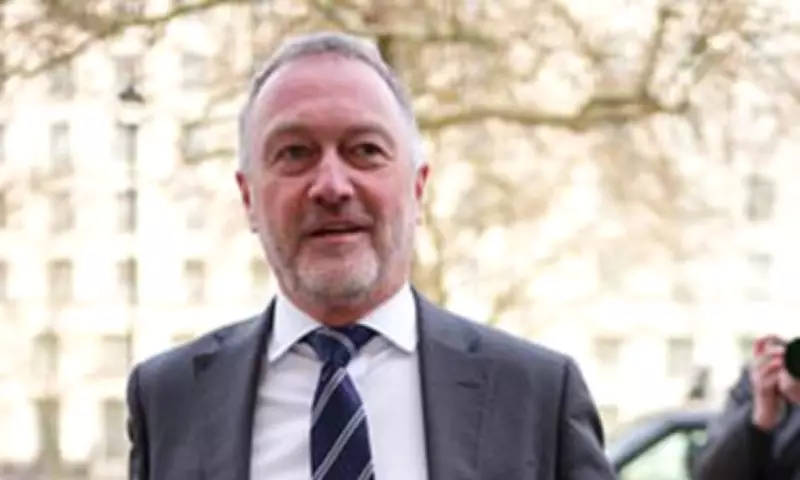
Speaking after Prime Minister's Questions, Housing Secretary Steve Reed stated that the moratorium will remain in effect until there is sufficient regulation in place to ensure full confidence and transparency in donations being made this way. He emphasised that the ban will be applied retrospectively to any crypto donations received from today onward.

The Rycroft Review and Its Findings
This announcement follows the publication of the Rycroft review into foreign interference in British politics, authored by former senior civil servant Philip Rycroft. Labour commissioned this review after the conviction of former Reform MEP Nathan Gill for accepting bribes to promote pro-Russian narratives.
In a briefing this morning, Mr Rycroft denied any partisan bias, asserting he was not tasked to look after the interests of any particular party. He highlighted that a whole body of expert opinion is concerned about cryptocurrency donations, warning that if trust in democracy erodes, the consequences could be very severe and extraordinarily damaging.
While Rycroft consulted Reform UK for the review, he did not speak to any MPs from the party. However, he revealed that MPs from other parties had approached him proactively to contribute to his work.
Farage's Retaliation and Broader Recommendations
Responding in the Chamber, Nigel Farage retaliated by criticising Keir Starmer's record on tackling small boats, noting that more migrants have arrived in the UK under Sir Keir than any other Prime Minister, despite Labour's pledge to smash the gangs.
Beyond the crypto donation ban, the Rycroft review proposes several key measures:
- An annual cap on political donations from British voters living abroad.
- A rule that no donor should be able to donate more than their post-tax profits in any given year.
- Empowering the Electoral Commission with additional authority to mandate annual reports, accounts, and spending returns from parties.
- Enhancing information-sharing capabilities between the Commission and external agencies.
- Establishing a centre of police excellence to investigate complex electoral law offences, with a reduced burden of proof requiring offenders to have reasonable cause to suspect they were committing a crime.
Addressing Foreign Interference and Systemic Weaknesses
Rycroft's report criticises the UK for lacking a coherent and robust strategy to counter foreign interference, urging that dealing with hostile states should be a much higher priority for Government with clear ministerial accountability. It calls for an outright ban on all foreign-funded advertisements and amendments to the Lobbying Act to remove VAT exemptions for foreign-based entities.
While highlighting threats from Russia, China, and Iran, the review also identifies a new threat from allies like the United States, noting an emerging willingness of foreign actors to interfere in politics abroad for their own agendas.

Expert Reactions and Calls for Further Reform
Reacting to the report, Dr Jess Garland, Director of Policy and Research for the Electoral Reform Society, argued that the government must go further by implementing a cap on all donor contributions, not just those from abroad. She stated, Trust in politics is at a record low. To rebuild it, the rules around money in politics need to ensure that politicians are always focused on the needs of voters, not donors.
This comprehensive approach underscores Labour's commitment to tightening electoral security and restoring public confidence in the political system amidst growing concerns over foreign influence and financial transparency.