Kosovo's New Parliament Convenes to End Political Deadlock and Form Government
Kosovo's newly elected parliament has convened for the first time since a December snap election, with the urgent aim of approving a fresh government as swiftly as possible. This move follows more than a year of political paralysis that has crippled governance in the Balkan country.
Election Results and Coalition Formation
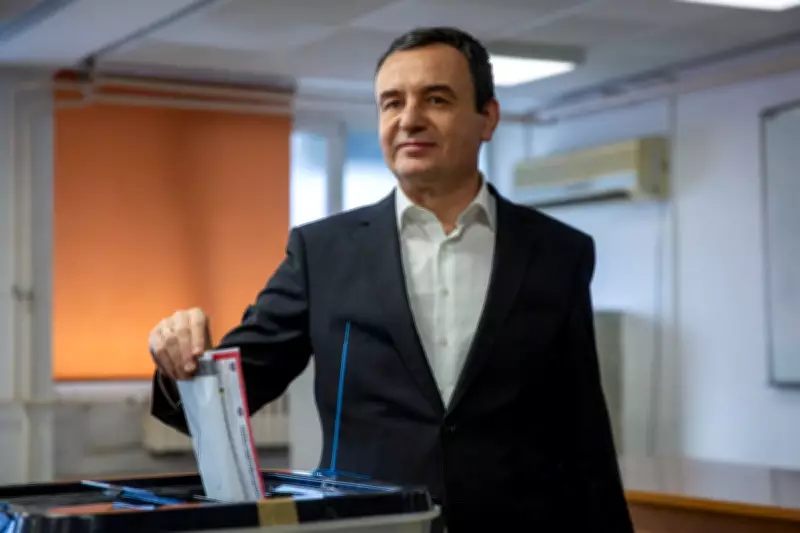
Prime Minister Albin Kurti is poised for another term after his Vetevendosje, or Self-Determination, party secured 57 seats in the 120-member assembly. The party is anticipated to forge a coalition government with several ethnic minority groups to achieve a working majority.
Lawmakers have already taken a significant step by electing former justice minister Albulena Haxhiu as the new parliament speaker. The snap ballot held on December 28 was necessitated by the Self-Determination party's inability to form a government despite winning the most votes in a February 2025 election, which precipitated a debilitating political standoff throughout last year.

Delays and Historical Context
The formation of the new parliament faced additional delays due to a recount vote prompted by widespread irregularities. Kosovo, a former Serbian province, declared independence in 2008 after a 1998-99 war that concluded with a U.S.-led NATO intervention. Serbia continues to reject the split, leading to ongoing tensions in the region.
Immediate Parliamentary Priorities
The new parliament must urgently approve this year's budget, which has been stalled because of the prolonged political crisis. Additionally, lawmakers are scheduled to elect a new president in March, as the current President Vjosa Osmani's mandate is set to expire in early April.
Prime Minister Kurti's Background and Stance
Prime Minister Kurti, aged 50, first came to power in 2021 after briefly serving in the role in 2020 during the COVID-19 pandemic. A former political prisoner under Serbian rule in Kosovo, Kurti has adopted a firm position in European Union-mediated talks aimed at normalizing relations with Belgrade. Both Kosovo and Serbia have been informed that they must normalize their ties to advance their aspirations of joining the 27-nation bloc.
Internationally, Washington and its allies have recognized Kosovo's independence, while Russia and China have aligned with Serbia in the ongoing dispute. The political landscape remains complex as the new government seeks to navigate these diplomatic challenges and domestic priorities.