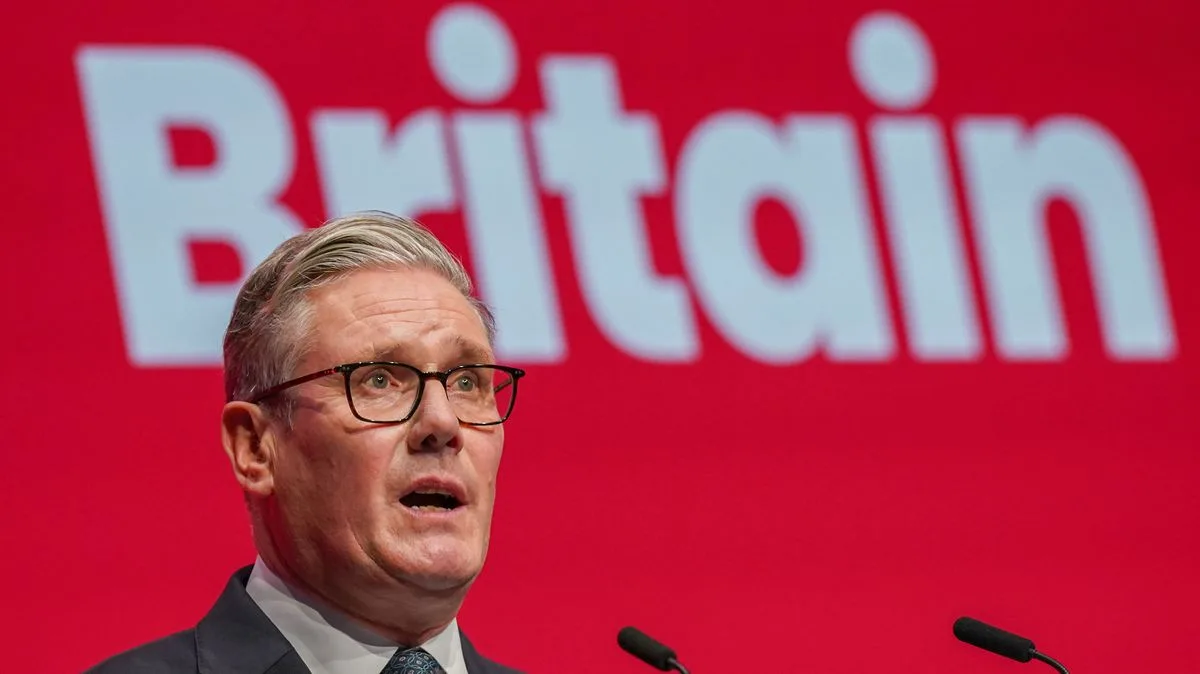
Keir Starmer spent the Christmas recess relaxing with his family at Chequers, a rare respite after a turbulent year in No10. But as MPs return to the Commons, the Prime Minister faces a daunting in-tray at home and abroad, including negotiations over a Ukraine peace deal, crucial May elections, and the cost of living crisis. Whispers among Labour MPs suggest concerns over his future if the party suffers a wipeout in elections across England, Wales, and Scotland.
Starmer told The Mirror that tackling cost of living pressures is his top priority, with policies such as an overhaul of workers' rights, capping prescription charges, and freezing rail fares for the first time in 30 years coming into force in spring. Chancellor Rachel Reeves will deliver her Spring Statement on March 3, with an economic forecast from the Office for Budget Responsibility, but tax decisions are expected only in the autumn Budget. Welfare reform is set to spark difficult conversations within the Labour Party.
Fixing NHS waiting lists remains a flagship promise from the 2024 election. Ministers hope investment will pay off, but patients continue to face long waits and corridor treatment. A five-day strike by resident doctors before Christmas led to a war of words between Health Secretary Wes Streeting and the British Medical Association, which is reballoting for further industrial action, with results expected in February. Ending these strikes is crucial for progress on waiting lists.
Channel crossings remain a major headache, with 41,472 people making the journey in 2025, a 13% year-on-year increase. At least 36 people died trying to reach the UK from France in 2025, down from 78 in 2024. The Government has announced measures including changes to asylum protections and a one-in-one-out agreement with France. Starmer sees tackling immigration as key to winning back support from Reform UK, but risks alienating left-wing voters with hard-line measures.
Labour plans a major overhaul of the special educational needs and disabilities (SEND) system in 2026, with parents anxiously awaiting reforms. Ministers have not confirmed they will maintain education, health and care plans (EHCPs). The Government also faces challenges in foreign policy, including relations with China, and internal leadership questions if local elections go badly.