Robert Jenrick's Reform UK Chancellor Bid Faces Qualification Scrutiny
Jenrick's Reform UK Chancellor Bid Faces Qualification Scrutiny

Robert Jenrick's Reform UK Chancellor Bid Faces Qualification Scrutiny

If Robert Jenrick applied to be my chancellor, I would laugh his CV straight out the door. Better known for owning so many houses that he could not decide which one to lock down in under Covid regulations, the new shining star of Nigel Farage's Reform UK appears even less qualified for the most important economic job in the country than the current incumbent, according to political commentator John Rentoul.

What Makes Jenrick Qualified for Chancellor?

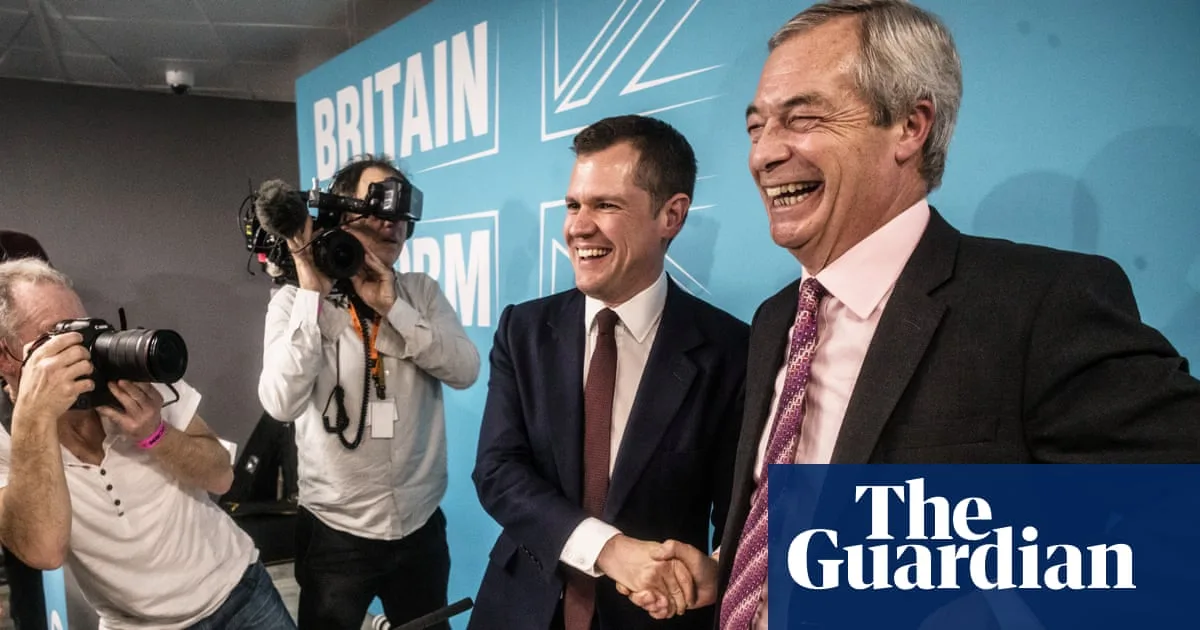
What on earth makes Robert Jenrick qualified to be chancellor? The man who would be running the nation's treasury was supposedly awarded the title of Reform's shadow chancellor by Nigel Farage because he was the most anti-Truss choice available. Unlike Farage himself, Jenrick did not praise Liz Truss's mini-Budget as the best Conservative Budget since 1986. So that is at least one positive point.

Jenrick has no formal economic qualifications to speak of. He said today in his speech in the City that, like Farage who was a commodities trader, I had my first break in the City. By which he likely means he was a lawyer for a US law firm that had an office in London. He studied history at university, as did Gordon Brown and George Osborne, but what was striking about his speech today was that it was political rather than economic. It was full of lines that Rachel Reeves, who holds a masters in economics, used to use in opposition.

Reform's Economic Positioning and Jenrick's Role

Reform is the party of workers and not welfare, Jenrick declared, wearing a pair of serious-looking glasses. We will not make promises we cannot keep. Jenrick was a health minister in Truss's brief government, so he was not called upon to defend Truss's unfunded tax cuts and spending plans that caused market meltdown. Nor has he defended them since. His main virtue for the position, therefore, is less about who he is than who he is not.

Richard Tice, who was Jenrick's main rival for the shadow chancellor role, was the primary architect of Reform's policy at the last election of tax cuts twice as large as Truss's, tax cuts that were not so much unfunded as fantasy-funded. Tice avoided praising Truss, but he shared her hostility to the Office for Budget Responsibility and questioned independence for the Bank of England. Jenrick, in contrast, scuttled back to the safety of what Truss once derided as Treasury orthodoxy.

He attacked Truss's Budget, stating the result was chaos and working people suffered. He said a Reform government will never play fast and loose with your savings, announcing that a Reform government would keep the OBR but overhaul it and preserve the Bank of England's control of interest rates. So far, so sensible.

Farage's Strategic Shift and Jenrick's Political Flexibility

Farage has realised that with Reform entertaining the serious possibility that it might form a government after the next election, any whiff of Trussism could be disastrous. The big tax cuts have already been ditched; now Jenrick is trying to nail down anything else that might suggest Reform is an inexperienced bunch of amateurs who would lose the confidence of the markets.

Jenrick, an ever-flexible politician, is perfectly capable of presenting the orthodox arguments for orthodox policies. He was a Cameronian under Cameron who voted Remain, and he even has experience of the Treasury, his first ministerial job in Theresa May's government was as exchequer secretary, the most junior of Treasury ministers, for eighteen months. He was one of the trio of junior ministers, along with Rishi Sunak and Oliver Dowden, who declared their early support for Boris Johnson and were rewarded with seats in the cabinet.

Jenrick's Controversial Past and Current Ambitions

Jenrick became housing secretary and announced a bold plan to relax planning law to allow Johnson to declare that it was time to build, build, build. A year later, in what was described at the time as the least surprising U-turn since the prime ministerial Range Rover had to turn round in Downing Street, which is a cul-de-sac, the plan was abandoned.

Jenrick was better known for owning so many houses that he could not decide which one to lock down in under Covid regulations, and then for admitting that he had unlawfully given planning permission to the pornographer Richard Desmond to build blocks of flats in London Docklands. Johnson sacked him, but he came back under Truss and then became a Farageist as immigration minister in Sunak's government, under Suella Braverman as home secretary. He resigned after a year of presiding unhappily over the Boriswave of quadrupled net immigration.

Instead of giving Jenrick the Home Office brief, however, Farage has given him the task of de-risking Reform's unformed economic policy so that it does not become a distraction from immigration, which remains the party's unique selling proposition. Yesterday he said: More than any party we are going to take care with your money. We're going to look after your money as you would. Reeves used to say the same. This turned out to mean, in her case, paying Mauritius to take over territory to which it has no claim and overruling civil servants to pay off the cabinet secretary.

Jenrick looked extremely pleased in his speech today to have won the tussle with Tice over the right to be chancellor if Reform wins the election. But I suspect he wants the job because it would be the most important post apart from being prime minister, not because there is any evidence that he would be any good at it.




