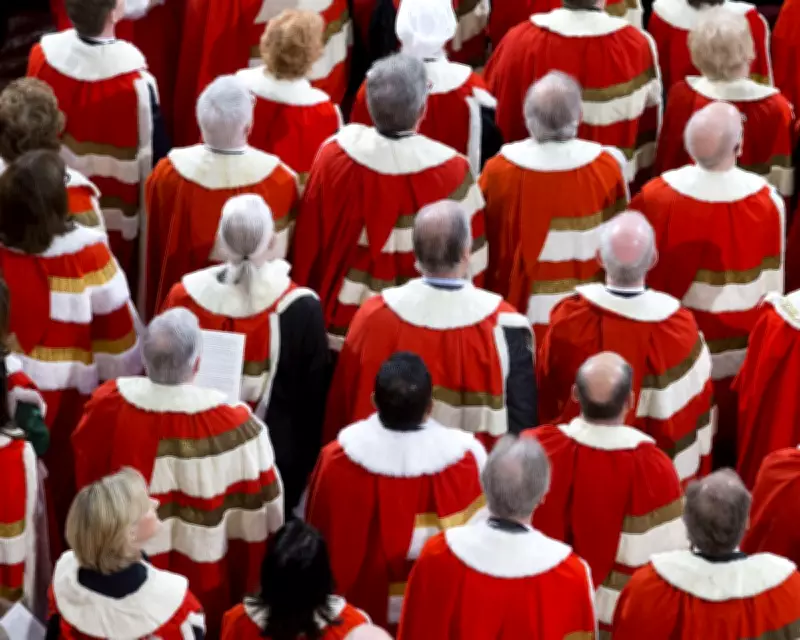
The debate over the future of Britain's House of Lords has reached a critical juncture, with mounting pressure for its reform or abolition. Following revelations involving figures like Peter Mandelson and procedural delays on key legislation, public and political scrutiny of the unelected chamber has intensified.
Scrutiny Over Election: A Cautionary Approach
In response to Green peer Jenny Jones's advocacy for reform, some readers urge caution against transforming the Lords into an elected body. They argue that this could create competing democratic mandates, potentially leading to gridlock similar to systems seen elsewhere. Instead, a proposal has emerged for a chamber dedicated to scrutiny, advice, and accountability.
This envisioned body would comprise experts in their fields, selected through public nomination and Commons free votes, serving fixed five-year terms. It would lack the power to defeat Commons legislation but could delay bills to ensure thorough examination. Such a model aims to enhance oversight without undermining the primacy of the elected House of Commons.

Commons Reforms: A Necessary Complement
For this system to function effectively, reforms within the Commons are deemed essential. Suggestions include abolishing whipping practices, regaining control over parliamentary timetables, and committing to genuine consideration of advice from a reformed second chamber, possibly renamed as a "Senate." These changes could foster a more representative democracy by reducing executive dominance.
Selection Challenges and Trust Issues
While consensus exists on the need for a better selection process for the second house, practical hurdles remain. Even if general elections were used, the nomination of candidates would require a trusted group, such as the privy council, though current public skepticism poses challenges. Some readers humorously suggest involving respected female members of the royal family to lend credibility, highlighting the search for impartial figures.
Hereditary and Episcopal Peers: A Controversial Retention
Amid calls for ejecting life peers, a minority opinion advocates retaining hereditary and episcopal peers. Proponents argue that these members, unlike politically appointed life peers, are free from party patronage and donations, potentially offering more objective views on legislation. This perspective underscores the diversity of opinions on what constitutes a principled second chamber.
Public Outrage and Imminent Change
The combination of scandals and procedural tactics, such as the filibustering of the assisted dying bill, has fueled public outrage. Many believe that the unelected House of Lords in its current form is nearing its end, with political parties expected to have reform blueprints ready. The potential fallout from legislative failures could accelerate demands for a modern, elected replacement.
As debates continue, the core issue remains balancing effective governance with democratic accountability. Whether through expert-based scrutiny or elected models, the push for reform reflects a broader desire to revitalize Britain's parliamentary system and restore public trust in its institutions.