Reform UK's Policy Proposals: A Detailed Examination
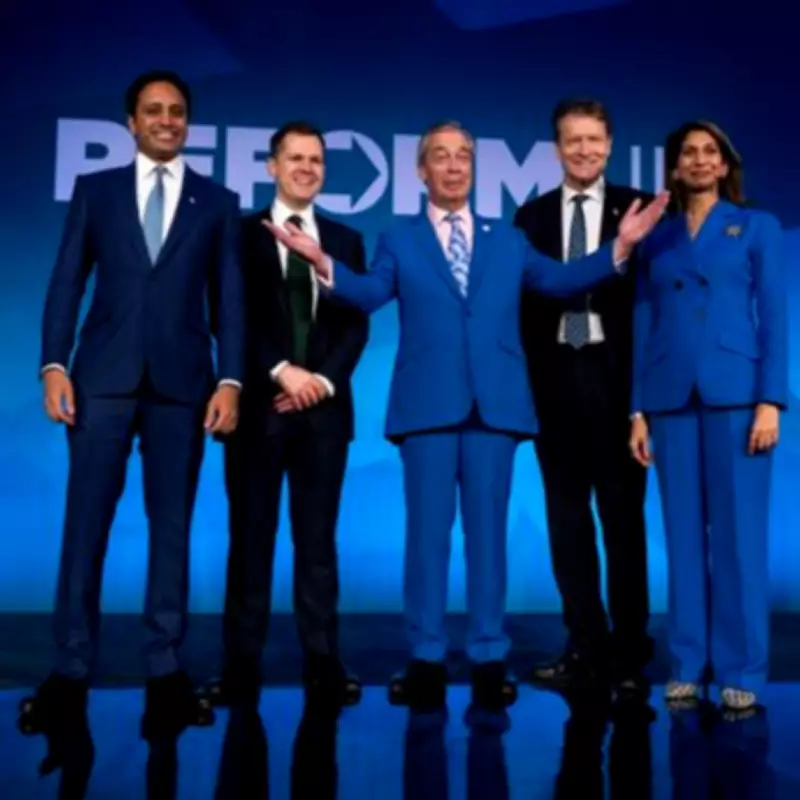
Nigel Farage has recently unveiled a "shadow cabinet" composed largely of former Conservative politicians, sparking debate over the party's direction. This team includes figures with controversial stances on immigration, climate change, and equality issues. The Mirror has conducted a thorough review of the right-wing party's key policy announcements, highlighting potential consequences for British households.
Controversial Appointments and Policy Directions
Robert Jenrick has been named shadow chancellor despite his involvement in Liz Truss's mini-budget and a £40 million housing project controversy. Suella Braverman, appointed as education and equalities spokesperson, has pledged to dismantle the equalities department immediately upon Reform taking office. Richard Tice, serving as business, trade, and energy spokesman, recently suggested potential cuts to the minimum wage and advocated for abandoning net-zero targets while proposing a new "super department" in government.
Workers' Rights and Employment Legislation
Reform UK has expressed strong opposition to the Employment Rights Bill, which represents the most significant upgrade to employee protections in decades. Richard Tice stated in November that the party would "scrap the whole Employment Rights Bill, lock stock and barrel." This legislation aims to eliminate exploitative zero-hours contracts, prohibit fire-and-rehire practices, and enhance sick pay provisions for workers across the country.

Equality Act Repeal and Discrimination Concerns
Suella Braverman announced that a Reform government would repeal the 2010 Equalities Act, legislation that safeguards citizens from discrimination based on characteristics such as age, race, and religion in workplaces, education, and public services. The Trades Union Congress has warned that this move could "legalise discrimination against a worker if they are a woman, disabled, black, pregnant or gay," raising serious concerns about social equality.
Benefit Limits and Child Poverty Implications
While Labour plans to scrap the two-child benefit limit in April, Nigel Farage initially promised to eliminate the policy but later clarified that this would only apply to families where both parents are British and working full-time. Labour estimates this would benefit less than 1% of children currently affected by the policy, which has been criticized for trapping hundreds of thousands of children in poverty across the United Kingdom.
Online Safety and Digital Protection
Reform UK has proposed repealing the Online Safety Act, which establishes protections for children and adults online, without specifying replacement measures. This would remove Ofcom's children's safety codes that require tech companies to implement age verification tools and regulate harmful algorithms. Cabinet minister Peter Kyle has argued that repealing this law would align Reform with "extreme pornographers peddling hate, peddling violence."
National Health Service Funding Uncertainty
Nigel Farage has expressed openness to an insurance-based healthcare model while simultaneously insisting on maintaining free NHS services at the point of delivery. In various interviews, he has questioned the efficiency of current NHS funding without providing clear alternatives, creating uncertainty about the party's healthcare policy direction and its potential impact on patients.
Climate Targets and Economic Consequences
The party has repeatedly stated its intention to abandon net-zero climate targets, with Keir Starmer warning that this could increase energy bills and threaten national security. Labour analysis suggests that Farage's "war on clean energy" could jeopardize over 950,000 jobs in renewable energy sectors across the country, highlighting significant economic and environmental risks.
Public Spending Reductions and Budget Cuts
Richard Tice has advocated for reducing public spending to approximately 35% of GDP, which analysis suggests could translate to £274 billion in government budget cuts. Cabinet minister Darren Jones has criticized this approach as "reckless" and warned it could lead to "chaos, cuts and decline" in public services and infrastructure.

Immigration Policy and Deportation Plans
Nigel Farage announced plans to scrap indefinite leave to remain, potentially affecting hundreds of thousands of legal migrants who could face deportation. Reform's home affairs spokesman Zia Yusuf explained that this would involve rescinding existing settled status, a policy the Prime Minister has labeled "racist" and warned could "rip this country apart."
Taxation and Wealth Inequality
Reform UK has been accused of planning a "Britannia Card" scheme that would allow foreign billionaires to pay £250,000 for non-dom tax status, exempting them from taxes on overseas earnings and inheritance. Labour analysts argue this would reduce Treasury revenue, potentially necessitating compensatory tax increases elsewhere that could disproportionately affect ordinary families.