
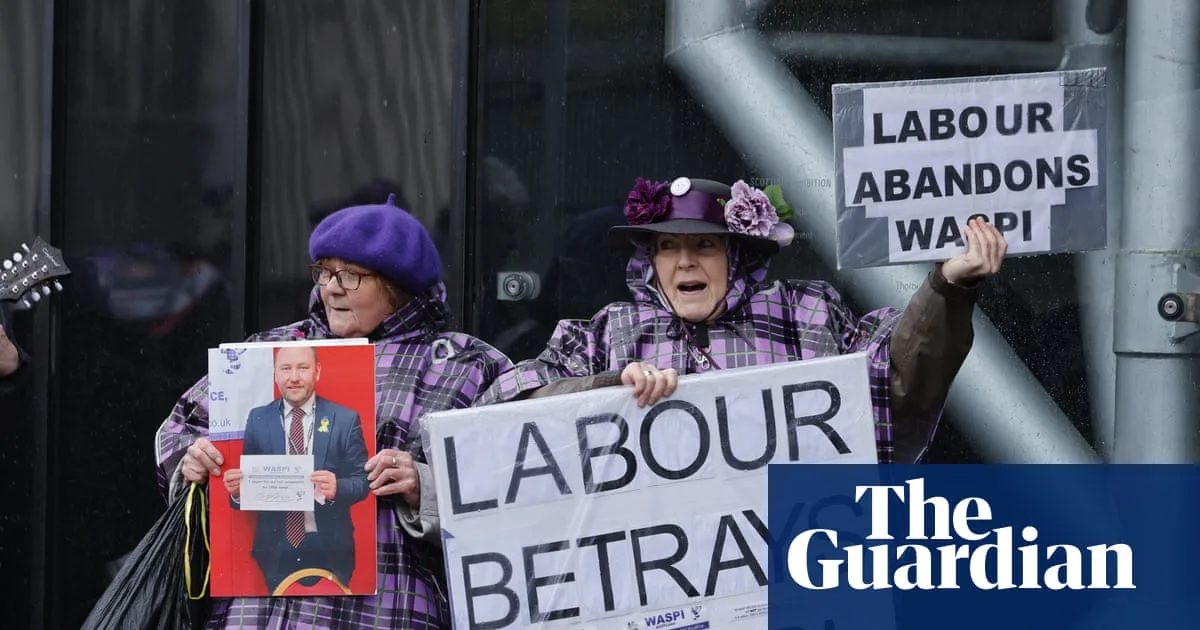
The UK government has again ruled out compensation for millions of women born in the 1950s known as 'Waspi women', who claim they lost out due to changes in the state pension age. The decision, announced by Work and Pensions Secretary Pat McFadden, confirms that no payout will be made to the estimated 3.6 million affected women.
McFadden stated that a flat-rate compensation scheme would cost up to £10.3 billion and would 'not be right or fair', as most women were aware of the pension changes. He also argued that it would be impractical to set up a targeted scheme identifying only those who suffered injustice.
The ruling comes after the Parliamentary and Health Service Ombudsman (PHSO) recommended compensation in March 2024. In December 2024, the government initially rejected payouts, but a high court challenge was paused in November for a review of that decision. The latest review has led to the same conclusion.
Campaigners, led by Waspi chair Angela Madden, have condemned the decision. Madden said the group is taking legal advice and will pursue 'every avenue in parliament and in the courts' to secure justice, which she said has been 'shamefully denied'. She accused ministers of 'utter contempt' for 1950s-born women.
The state pension age for women rose from 60 to 65 between 2010 and 2018, and then to 66 by 2020, following legislation in 1995 and an acceleration in 2011. Many women claim their retirement plans were disrupted and they suffered financial hardship as a result.




