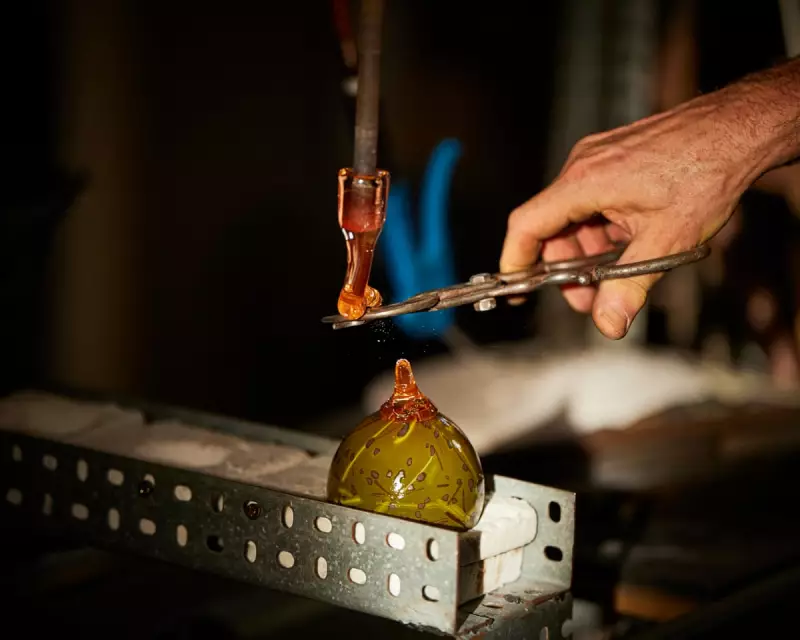
In a poignant reflection on the state of our world, a powerful metaphor of shattered glass has been used to frame the pervasive sense of fragility within modern society. The image, central to a recent Guardian piece by author Elif Shafak, serves as a stark reminder that fragility is not a sign of failure, but a fundamental condition that demands careful attention and collective care.
The Danger of Societal Numbness
The core argument extends beyond acknowledging crisis. The deeper peril identified is a creeping societal numbness. We have consciously constructed systems across geopolitics, media, public institutions, and workplaces that actively reward speed, certainty, and outrage. Within these rigid frameworks, compassion and empathy are not merely sidelined; they struggle to survive. The consequence is a transactional environment where people are increasingly viewed as problems to be managed, rather than individuals within a community.
How Systems Harden Under Pressure
When placed under sustained pressure, the natural tendency is for systems to harden and for language to sharpen into tools of efficiency or blame. This process subtly squeezes out the space necessary for doubt, reflection, and genuine human connection. Care is rarely lost through outright malice; more often, it is the casualty of relentless institutional and social pressures that prioritise output over wellbeing. The result is a stark equation: if every interaction becomes purely transactional, the relational bonds that hold society together begin to fracture.

The Path to Repair Begins with Empathy
The path to mending this broken trust, whether in democracy, culture, or our communities, requires a deliberate shift. It begins by reintroducing and protecting space for empathy. This means valuing reflection over instant reaction and prioritising understanding alongside efficiency. The metaphor of glass is instructive: while broken glass can be remelted and reshaped, the article warns that relentless heat will ultimately burn and destroy what it touches. Similarly, a society under constant, unmoderated pressure risks permanent damage.
The call to action, as articulated in a responding letter from Simon Spiller of Budleigh Salterton, Devon, is clear. To piece our world back together requires recognising our shared fragility and choosing compassion as the primary tool for repair. It is a plea to move from a culture of management to one of mindful care, before the cracks become irreparable.