First Minister Michelle O'Neill has stated that public reactions to a proposed significant salary increase for Members of the Legislative Assembly (MLAs) are "understandable," particularly given the ongoing cost-of-living crisis affecting many households. The comments follow the publication of recommendations by the Independent Remuneration Board, which has suggested raising MLA salaries from £53,000 to £67,200 annually, representing a substantial 26.8% uplift effective from April 1.
Independent Recommendations and Public Consultation
The Independent Remuneration Board, chaired by Alan Lowry, has put forward these proposals as part of a broader review aimed at ensuring accountability in the use of public funds. In addition to the salary increase, the board has recommended implementing "significant financial sanctions" in scenarios where political instability prevents the formation of an Executive. Specifically, if a government is not formed within six weeks following an election, or if the offices of first minister and deputy first minister become vacant, MLA salaries would be reduced by 10% at the six-week mark, with further reductions at weeks 12 and 18, in alignment with the Northern Ireland Act 1998.
Comparative Analysis with Other Legislatures
Currently, MLA salaries are notably lower than those of their counterparts in other UK and Irish legislatures. For instance, Members of the Scottish Parliament earn £74,507, Welsh Assembly Members receive £76,380, MPs are paid £93,904, and Members of the Irish Parliament earn approximately 117,113 euros (equivalent to £102,369). The proposed increase aims to address this disparity, though it comes at a time when many citizens are grappling with financial hardships.

First Minister's Response to Media Queries
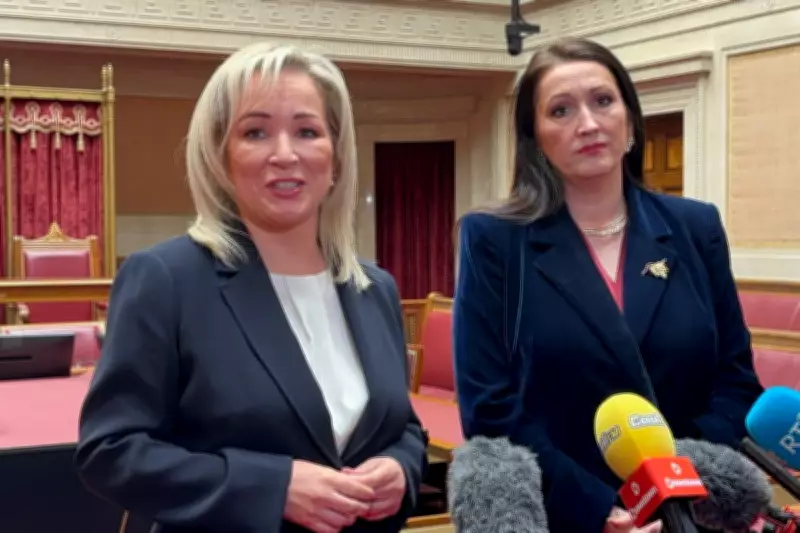
Speaking to media at Parliament Buildings on Friday, Michelle O'Neill emphasized that the recommendation originated from an independent body, with no involvement from her office in its determination. She acknowledged the timing of the proposal, stating, "I absolutely acknowledge there is a cost-of-living crisis, people are struggling, people are feeling the pinch right now, so I think it is understandable in terms of how people would feel about it." O'Neill added that her administration would carefully review the details and respond to the public consultation in due course.
Deputy First Minister's Perspective
Deputy First Minister Emma Little-Pengelly echoed this cautious approach, noting that the independent pay body had assessed remuneration situations across the UK and Ireland before making its recommendation. She stated, "We will take time to go through the recommendations in detail. This is their recommendation, it is now out to consultation, so we will take a look at that in detail and I have no doubt we'll come back to this issue after the consultation has completed."
The proposals are currently open for public consultation, allowing for broader input before any final decisions are made. This process underscores the ongoing debate over fair compensation for public officials versus the economic realities faced by constituents, highlighting the delicate balance between attracting talent to governance and maintaining public trust during challenging economic times.