FBI Georgia Election Raid Warrant Relied on Debunked Conspiracy Theories
The FBI document that authorized an unprecedented raid on a Georgia elections office is founded on allegations about the 2020 presidential election that have circulated for years and faced thorough investigations. Those investigations uncovered no evidence of widespread fraud that could have altered the outcome of the race, which Donald Trump lost. The affidavit itself provides no new evidence to support fraud claims and even acknowledges that many allegations have already been disproven.
Election Deniers Lead the Investigation
The criminal probe into allegations of fraud and record destruction was initiated by former Trump campaign attorney Kurt Olsen, with support from witnesses who have promoted debunked conspiracy theories about election administration and the 2020 results. While the search warrant was executed in Georgia, the federal prosecutor on the document is Thomas Albus, the U.S. Attorney for the Eastern District of Missouri. Albus, a Trump appointee tasked by Attorney General Pam Bondi to investigate elections, is among a group of newly hired government lawyers who have boosted false claims about the 2020 election or were involved in litigation to overturn the results.
The affidavit notes that the investigation originated from a referral sent by Kurt Olsen, who worked closely with Trump's campaign in 2020 to challenge election results as part of the largely court-rejected Stop the Steal movement. Olsen was later sanctioned by a federal judge for false and misleading assertions in support of Republican Kari Lake's failed attempt to overturn her loss in Arizona's 2020 gubernatorial race.

Key Figures in the Raid
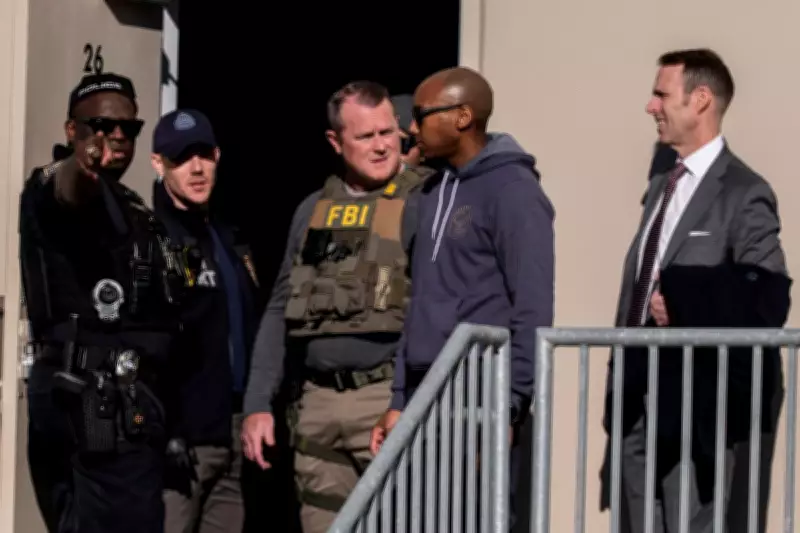
Deputy FBI director Andrew Bailey, the former attorney general of Missouri who publicly endorsed Trump's false narrative that the election was stolen, joined agents during the Georgia raid. The FBI also called on Clay Parikh, who had joined Lake's unsuccessful effort to reverse her loss in Arizona. Parikh is now a special government employee in the Trump administration, and the FBI relied on his analysis of Fulton County's results to pursue the investigation, according to the affidavit. The document also lists several redacted witnesses whose descriptions match State Election Board members and other figures who denied the 2020 election results and promoted conspiracy theories.
Allegations of Deficiencies Previously Debunked
The affidavit states that the investigation involves two statutes: one concerning the destruction of election records and another that makes it a crime to knowingly deprive residents of a fair election process. Election law experts say the document provides no evidence to support fraud claims; Georgia's ballots were counted three times in different ways after the election, with challenges withstanding scrutiny each time. The FBI is investigating five alleged deficiencies from those recounts, including missing ballot images, ballots scanned multiple times, inconsistent hand recount totals, potentially improperly added ballots, and changing vote totals during a machine recount.
Only one allegation—that ballots may have been scanned twice during a Trump-requested recount—had been partially substantiated by law enforcement, who have repeatedly affirmed Trump's loss in Georgia. Another allegation involves inconsistent ballot tallies during a Risk Limiting Audit, which Georgia's secretary of state addressed in 2022, noting that the audit is designed to confirm a winner, not deliver a precise count of over 5 million ballots, which is impossible. Human counting errors are expected and within variances, supporting the audit's conclusion that the initial reported result was correct.
Statute of Limitations Concerns
One of the crimes cited requires election officials to keep records for 22 months after an election, with a statute of limitations expiring five years after that. The 2020 election falls outside this window, and the affidavit concerns activities immediately after the contest, not in the following two years. While it is possible records could have been disposed of within that time, the affidavit provides no allegations that they were. This raises serious questions about probable cause for the investigation and why such an intrusive action is being taken over five years after the election was certified.

Elections law expert David Becker commented, After more than five years, dozens of court cases, and over a year in total control of the federal government, this is all they've got? If taken at its word, this entire affidavit at most alleges human error after a late night during a global pandemic, all of which had no impact on the outcome of the race. This affidavit was much weaker than I suspected—no allegations of intent, no allegations of election theft, no allegations of foreign interference, and no allegations that the statute of limitations doesn't apply.
Broader Implications
Michael McNulty, policy director with Issue One, stated, This raid fits a growing pattern by the administration to exert executive control over elections, despite the Constitution's clear assignment of election administration to the states and Congress. Targeting election officials and records years later risks undermining confidence in the process for future elections. If allowed to stand, this could set a troubling precedent that would chill election administration nationwide and invite more executive interference. The FBI seized Georgia voting records and other documents from the 2020 election as part of this criminal investigation, sparking further debate about the integrity of election processes and the role of federal agencies in state-administered elections.