Nigel Farage, the leader of Reform UK, has failed to secure a meeting with former US President Donald Trump after traveling approximately 4,500 miles to dine at Trump's exclusive Mar-a-Lago resort in Florida. The trip, which took place on Friday, ended in what some observers have described as a humiliating development for the British politician.
Failed Expectations and Clarifications
During an event in Westminster on Thursday night, Farage told an audience that he would be "dining at Mar-a-Lago tomorrow night" and would "reinforce the message" about Sir Keir Starmer's controversial Chagos Islands agreement. This statement led many to assume he would be dining directly with Trump. However, according to a report by the Financial Times, Farage had not received a formal invitation to meet the American president and was only invited to the resort by a club member.
Sources indicated that Farage had hoped to catch Trump for an impromptu conversation, as the former president was scheduled to travel to Mar-a-Lago that day. In a twist, Trump reportedly stayed at his Doral property instead, leaving Farage more than an hour's drive away at Mar-a-Lago with no audience secured.

Cooling Relations and Political Context
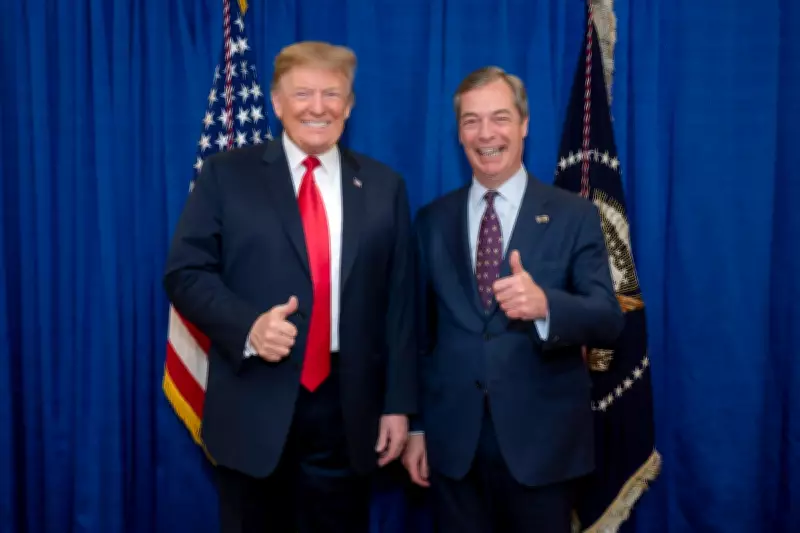
This incident marks the latest sign that the once famously close relationship between Farage and Trump may be cooling off. The pair formed a strong bond around 2016, coinciding with Trump's first term and the UK's Brexit referendum. A representative for Farage later insisted to The Independent that he had never planned to meet Trump during the visit and never claimed he would.
Meanwhile, Trump has recently reversed his support for Sir Keir's Chagos Islands deal, which involves discussions about handing the islands to Mauritius. At one point, Trump called the agreement an act of "great stupidity." The UK government maintains that the deal is essential for securing the future of the Diego Garcia military base, a crucial UK-US asset.
Farage's Stance on the Chagos Deal
Farage, a long-time opponent of the Chagos agreement, has labeled it a "surrender" treaty and denounced it as "the worst deal in history" and an "absolute betrayal." At the Westminster event, he emphasized his intent to discuss the issue at Mar-a-Lago, stating, "We think this is the central plan for this government's foreign policy and we are beating them back."
He added, "President Trump has almost understood the deal, but I will be dining at Mar-a-Lago tomorrow night, and we will reinforce the message." Farage urged continued pressure, saying, "We have got to keep fighting, we have got to keep the pressure up, we must not let our foot off this pedal, but for the first time in this battle... this feels more than winnable."
Broader Implications and Reactions
The failed meeting has sparked jibes from political opponents, including Chancellor Rachel Reeves, who mocked Farage for not being present at the spring budget. This episode underscores the challenges Farage faces in maintaining his influence on the international stage, particularly as he navigates shifting alliances and political dynamics.
As discussions over the Chagos Islands continue, with ministers affirming ongoing talks with Mauritius, Farage's inability to connect with Trump highlights potential limitations in his diplomatic reach. The incident raises questions about the future of UK-US relations under potential new leadership and the role of figures like Farage in shaping foreign policy debates.