Major Defence Leadership Reshuffle Announced by Prime Minister Albanese
Prime Minister Anthony Albanese has unveiled a comprehensive and historic reshuffle of the Australian Defence Force's senior leadership, marking a significant transition at the highest levels of military command. The announcement, made on Monday, sets in motion a series of changes that will redefine the nation's defence structure in the coming months.
New Chief of Defence Force Appointed
Vice Admiral Mark Hammond has been named as Australia's next Chief of the Defence Force, the most senior role within the ADF. He will officially assume this critical position in July, succeeding Admiral David Johnston, who is retiring after an illustrious career spanning nearly five decades in uniform. Admiral Johnston's departure marks the end of an era, with his tenure noted for its stability and strategic oversight during challenging global times.
Historic First for Australian Army
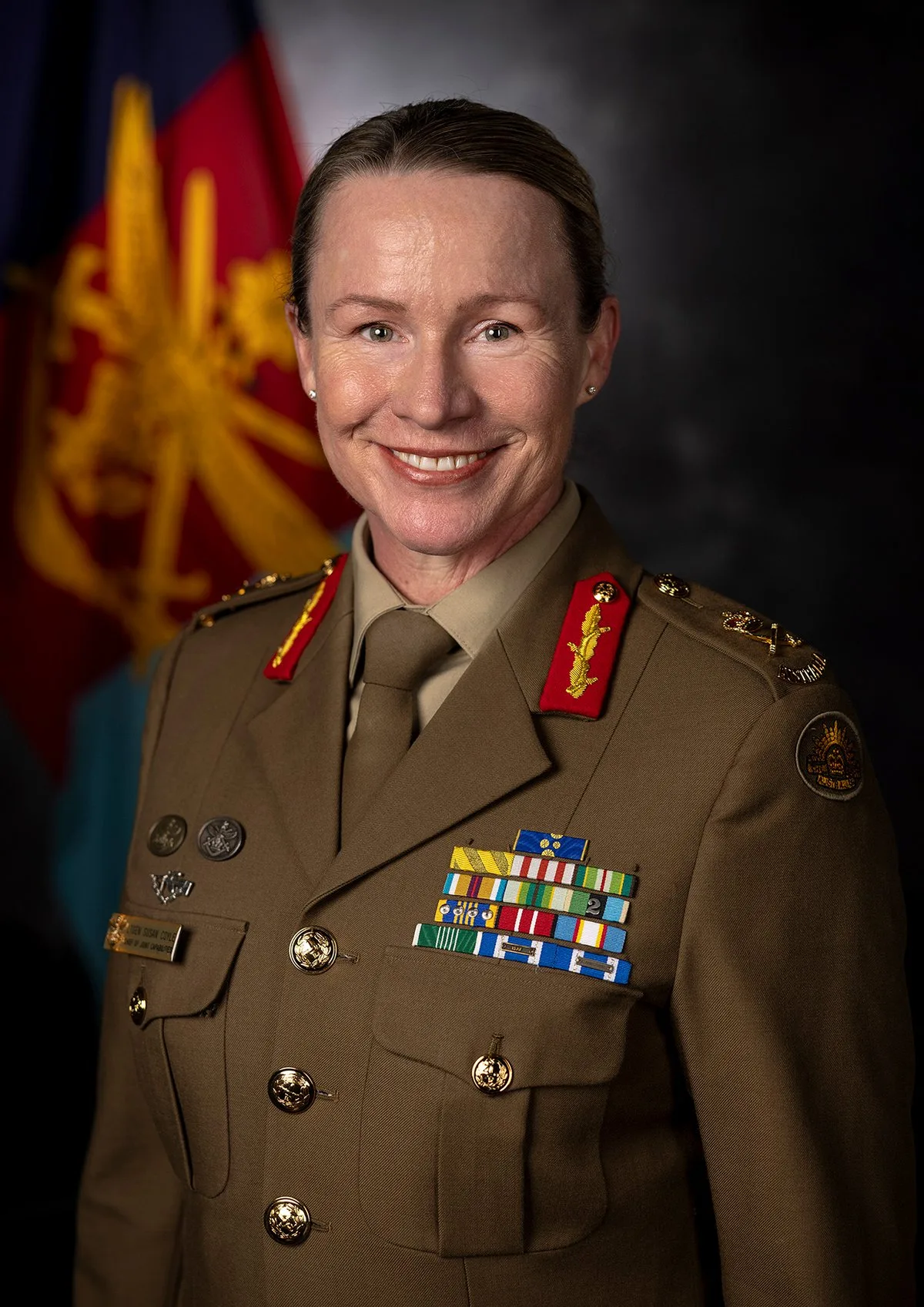
In a groundbreaking move, Lieutenant General Susan Coyle is set to become the first woman ever to lead the Australian Army. She will take over as Chief of Army in July, replacing Lieutenant General Simon Stuart, who is also retiring. This appointment represents a monumental shift in the 124-year history of the Australian Army, breaking longstanding gender barriers at the highest command level.
Lieutenant General Coyle's career trajectory is particularly noteworthy. She began her military journey by enlisting as a soldier in the Army Reserve in 1987. Over the decades, she has risen through the ranks, commanding at every level of warfighting and serving in key operational theatres including Afghanistan and the Middle East. Her previous senior roles include Commander Forces Command, Head of Information Warfare, and Chief of Joint Capabilities, demonstrating a breadth of experience that prepares her for this historic leadership role.Experience and Strategic Vision
Vice Admiral Mark Hammond, currently serving as Chief of Navy, brings four decades of extensive naval experience to his new role as Chief of Defence Force. His career has encompassed service in surface ships, submarines, and senior fleet commands, providing him with a comprehensive understanding of maritime operations. Since his appointment as Chief of Navy in 2022, he has played a pivotal role in shaping Australia's future maritime force, including the nation-defining AUKUS plan to acquire conventionally armed, nuclear-powered submarines.
Lieutenant General Simon Stuart, the outgoing Chief of Army, has been widely praised for his leadership in preparing the service for major structural and cultural reforms under the National Defence Strategy. Notably, he was the first Chief of Army to begin his career as an enlisted soldier, highlighting the diverse pathways to leadership within the ADF.
Navy Leadership Transition
The reshuffle also brings new leadership to the Navy, with Rear Admiral Matthew Buckley promoted to Chief of Navy. A submariner by background, Rear Admiral Buckley has commanded HMAS Collins and the Submarine Force, and served as Head of Nuclear Submarine Capability before becoming Deputy Chief of Navy in 2025. The Government has emphasized that his specialized experience uniquely positions him to lead the Navy through the AUKUS era and a broader surface fleet expansion, critical components of Australia's future defence strategy.
This comprehensive leadership overhaul reflects the Albanese Government's commitment to modernizing the Australian Defence Force, ensuring it is equipped with experienced and visionary leaders to navigate complex geopolitical challenges. The appointments signal a new chapter for the ADF, blending tradition with progressive change as it prepares for future defence requirements.






