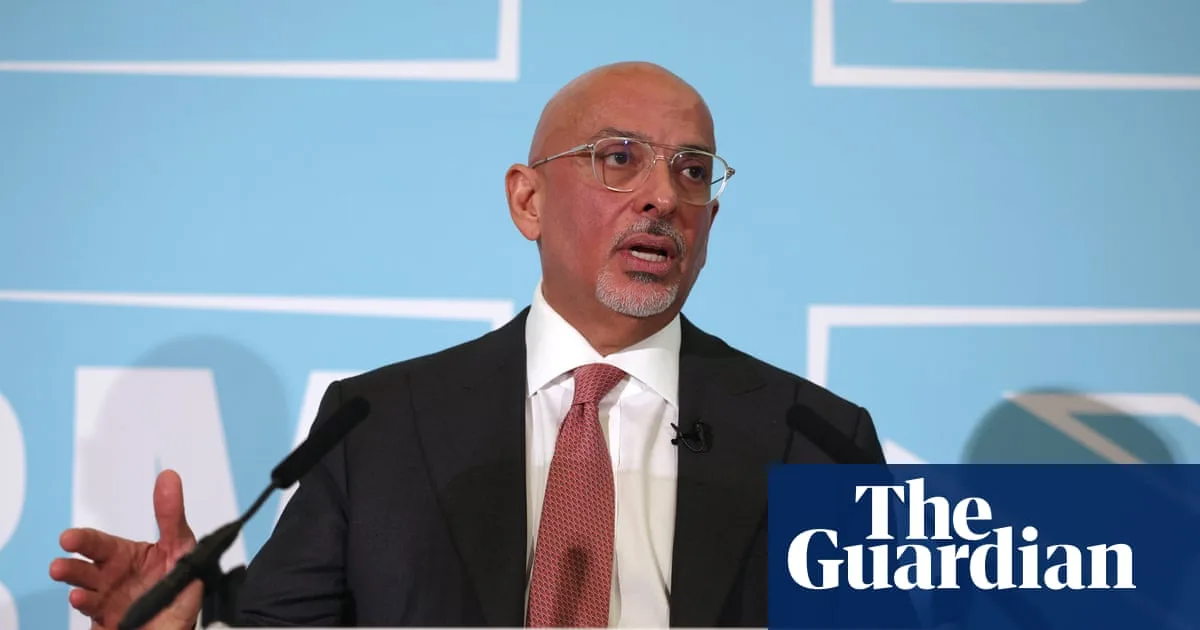
Nadhim Zahawi Defects to Reform, Backs Farage for PM in Stunning Westminster Move
Ex-Tory Chancellor Zahawi defects to Reform, backs Farage

In a seismic shock to the British political landscape, former Conservative chancellor Nadhim Zahawi has crossed the floor to join Reform UK, becoming the most high-profile defector to Nigel Farage's party to date.

A Surprise Defection and a Scathing Indictment

The announcement on Monday sent Westminster into a frenzy, with Zahawi using the occasion to launch a blistering attack on both his old party and the current Labour government. The 58-year-old former MP declared that Britain is facing a "national emergency" and is a "sick" country, pointing to the threat of radical Islam, a broken state, and the "waking nightmare" of Sir Keir Starmer's administration.

Zahawi, a businessman and former vaccines minister, stated unequivocally that Britain needs Nigel Farage as Prime Minister. This marked a dramatic U-turn from his past description of Farage's vision for Britain as "frightening" and a 2015 social media post where he labelled the Reform leader "offensive and racist".

When challenged on this past criticism, Zahawi defended his new alliance, insisting he would not be sitting beside Farage if he held racist views towards people of his background.

The Fallout and Accusations of a "Gravy Train"

The defection immediately sparked a bitter war of words. Conservative sources alleged that Zahawi had at least twice "begged" for a peerage but was blocked due to the controversy over his tax affairs, which previously forced him to stand down as Tory party chairman. They suggested his move was motivated by spite.

A Conservative spokesman hit back, stating: "Reform is fast becoming the party of has-been politicians looking for their next gravy train." They highlighted Zahawi's past fear of a Farage-run country as evidence of "the level of loyalty for sale."

Zahawi, however, denied being promised a peerage or specific role by Reform, describing himself merely as a "foot soldier" for the cause. Conversely, Nigel Farage hinted at a significant future role, praising Zahawi's experience and his past success in fundraising for the Conservatives.

A "Dark Chapter" and a Cabinet Critique

In a detailed speech, Zahawi outlined a grim view of the UK's trajectory, citing issues from GP access and online censorship to rising taxes. He blamed "overmighty bureaucratic inertia" but conceded the Tory government should have been more forthright.

He reserved particularly sharp criticism for Labour's top team, delivering a point-by-point condemnation of eight Cabinet ministers:

  • Sir Keir Starmer: Accused of trusting foreign judges over the British people.
  • Lord Hermer (Attorney-General): Criticised for not blocking ECHR rulings on figures like Shamima Begum.
  • Rachel Reeves (Chancellor): Said to not understand economic growth.
  • Bridget Phillipson (Education Secretary): Alleged to have destroyed school standards through union devotion.
  • Ed Miliband (Energy Secretary): Blamed for damaging living standards and the economy.
  • David Lammy (Justice Secretary): Referenced past Nazi comparisons and the removal of jury trials.
  • Yvette Cooper (Foreign Secretary): Accused of giving away sovereign territory.
  • Wes Streeting (Health Secretary): Criticised for continuing with hormone blockers for children.

Zahawi issued a stark warning about "radical Islamists waiting in the wings", referencing the Batley Grammar School case, CPS actions, and an incident involving West Midlands Police. He argued political Islam should have been "nipped in the bud" decades ago.

As the 22nd Conservative to defect to Reform, Zahawi's move blurs the lines between the two parties for their opponents. Farage, meanwhile, welcomed the injection of frontline experience, stating Reform's weakness was a lack of governmental know-how. This dramatic shift signals a deepening realignment on the British right and sets the stage for a fierce political battle ahead.




