
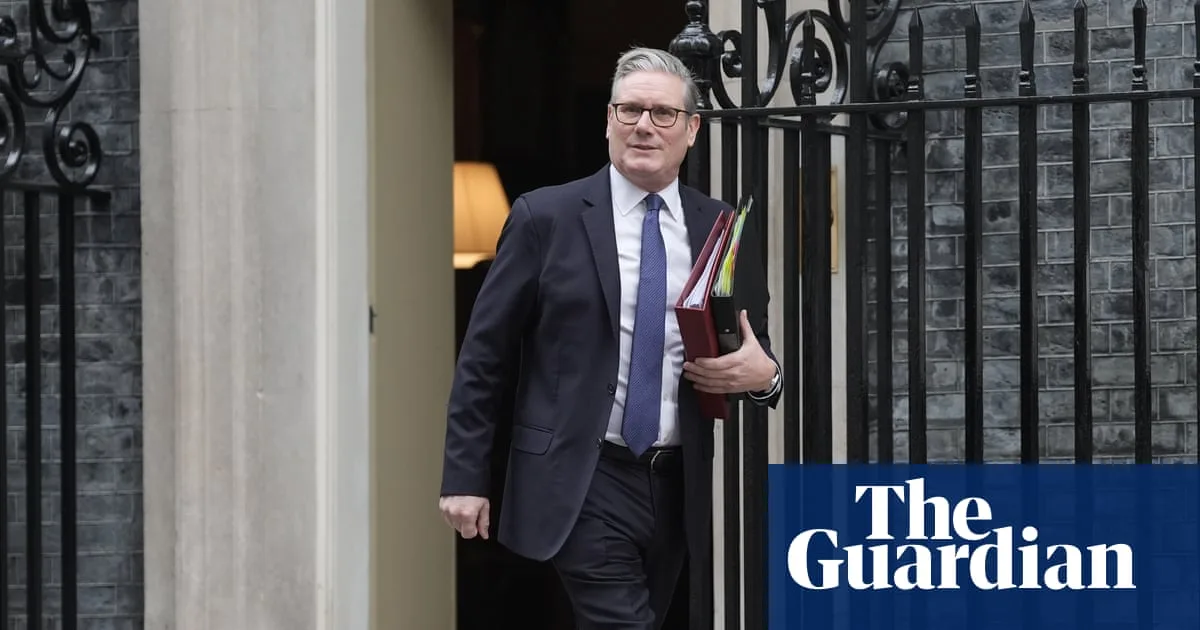
Downing Street has only itself to blame for failing to exert sufficient control over Whitehall, according to experts responding to a former No 10 adviser's criticism of a 'political perma-class' distracting the government. Paul Ovenden, a former strategist for Keir Starmer, sparked debate by claiming that lobbying by a 'stakeholder state' of campaign groups, regulators, and trade bodies has diverted attention from voter priorities.
Ovenden highlighted the effort spent on freeing activist Alaa Abd el-Fattah as an example of 'fringe issues' sapping government energy. He argued that the system is 'incubated by a political perma-class' focused on preserving its status, and called for a government with a 'stiffened spine' to dismantle it. The Prime Minister himself has complained about regulations and arm's-length bodies slowing delivery.
However, experts including Alex Thomas of the Institute for Government said ministers already have the power to change the system. 'Government should be talking to people,' Thomas said, adding that problems stem from a weak centre, lack of expertise, and poor performance management. Dave Penman of the FDA union noted that the 'conflicting power bases' were created by ministers and could only be undone with strong political will.
Former Labour adviser John McTernan criticised the government for making errors on policies like winter fuel payments while blaming others. Tom Baldwin, Starmer's biographer, warned that focusing on Whitehall reform could distract from issues like living standards and immigration. The government declined to comment on Ovenden's remarks.




