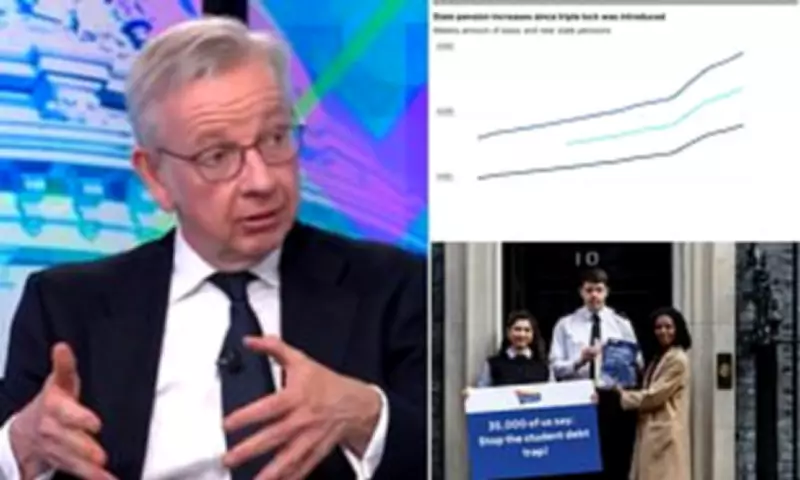
In a controversial intervention, a former Conservative minister has declared the state pensions triple lock "not defensible" and called for its abolition to redirect funds towards supporting younger generations. Lord Gove, who held multiple cabinet positions during more than a decade of Tory governance, proposed dismantling the guarantee and using the financial savings to alleviate the crushing student loan debts faced by graduates.
The Mechanics of the Triple Lock
Established in 2011, the triple lock ensures the state pension rises each April by the highest of three metrics: total earnings growth, the Consumer Prices Index inflation rate, or a baseline of 2.5 percent. This mechanism has frequently resulted in pension increases substantially outpacing general economic growth, particularly during periods of high inflation. Earlier this month, over 12 million pensioners received a state pension boost of up to £575, reflecting a 4.8 percent rise.
Political Fear of the Grey Vote
Appearing on BBC Newsnight, Lord Gove, now editor of The Spectator magazine, contended that politicians are too intimidated to challenge the triple lock due to the formidable electoral influence of older voters, often termed the "grey vote." He emphasised the need for economic recalibration, stating, "I think that if we're going to make sure that our economy is in the right place, then we do need to think about those who are hit hardest, and those who were hit hardest, those who're suffering most, particularly from the prospect of unemployment at the moment, are younger people."

Lord Gove attributed this hardship partly to regulatory rigidities in the labour market and partly to the overwhelming debt burdens shouldered by many young adults. He suggested that any savings from terminating the pensions lock should be invested in tackling student loans as a "quid pro quo" for welfare reforms aimed at increasing youth employment.
Specific Pension Increases
The recent adjustments saw the full rate of the new state pension climb from £230.25 to £241.30 per week, while the full basic state pension increased from £176.45 to £184.90 weekly. Additionally, the standard minimum guarantee in pension credit rose by 4.8 percent to £238 per week for single pensioners and £363.25 per week for couples.
Government and Opposition Perspectives
The Government has promoted the triple-lock commitment as a key measure to shield households from cost-of-living pressures, exacerbated by global oil price surges linked to the Iran war and their impact on the UK economy. Conversely, opposition critics advocate for further actions to relieve consumer strain ahead of anticipated energy bill hikes when Ofgem’s price cap expires in July, alongside rising fuel costs.
Growing Political Tensions
The issue is increasingly becoming a political football, with mounting demands for greater focus on the challenges facing younger people. However, pensioners remain a powerful voting bloc. Earlier this month, Nigel Farage ended months of ambiguity by pledging to retain the triple lock if he becomes Prime Minister, despite having previously labelled its future "open for debate." This stance contrasts with Reform's Treasury spokesman, Robert Jenrick, a vocal supporter of the policy.
Economic Sustainability Concerns
Economists have expressed worries about the long-term financial viability of the triple lock, citing the UK's aging population and increasing life expectancy. The right-wing think tank the Institute of Economic Affairs has previously criticised the lock as "one of the most expensive commitments in British public policy" and "an electoral bribe with a compound interest rate," highlighting the profound fiscal implications of maintaining this guarantee amidst demographic shifts.