England and Northern Ireland Lag Behind Global Shift on Greyhound Racing
A comprehensive new report being distributed to every Member of Parliament has highlighted that England and Northern Ireland are increasingly isolated globally by continuing to permit greyhound racing. The document, authored by GREY2K USA and the League Against Cruel Sports, argues that the UK is falling behind international standards as numerous nations move to outlaw the sport.
Widespread Cruelty and Criminality Exposed
The report details alarming findings of criminality, systemic cruelty, and excessively high dog death rates within the industry. These revelations recently prompted both Wales and Scotland to vote decisively last month to implement bans on greyhound racing. Campaigners have released disturbing footage from 2022 and 2025 showing greyhounds being forcibly restrained at an underground race and injected with suspected illicit substances moments before competitions began.
Green MP Adrian Ramsay has formally written to Environment Secretary Emma Reynolds, urging the government to phase out the sport. He cited "neglect and failures to protect dogs from injury and death," raising serious concerns about the transparency and accountability of an industry where animals experience widespread harm. The findings indicate "numerous botched attempts to stick needles into the veins of dogs" prior to races.

Staggering Statistics on Injuries and Deaths
Analysis of UK industry figures presents a grim picture. From 2017 to 2024, official statistics from the Greyhound Board of Great Britain recorded 1,353 dogs killed trackside. An additional 3,278 greyhounds were euthanised during this period for reasons including prohibitive veterinary treatment costs, veterinary advice, inability to find homes, or sudden death and terminal illness.
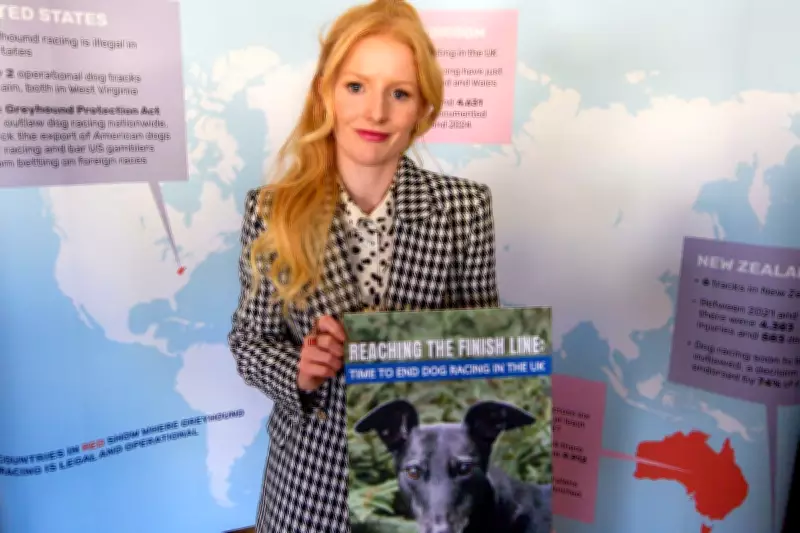
Furthermore, some 35,168 injuries were documented over these seven years, with 3,809 injuries occurring in the last year alone. The report, titled Reaching the Finish Line: Time to End Dog Racing in the UK, is supported by Labour MPs Irene Campbell and Neil Duncan-Jordan. Ms Campbell, who chairs the all-party parliamentary dog advisory welfare group, stated: "The cruelty of every aspect of greyhound racing is clear... It is seriously concerning that a minimum of 1,000 retired greyhounds are unaccounted for every year."
International Momentum for Bans Grows
Globally, the trend is decisively moving against greyhound racing. In the United States, the sport is illegal in 44 of 50 states and operates in only one jurisdiction, while legislation banning greyhound gambling has recently passed its first committee stage. New Zealand and Tasmania are actively phasing out tracks, and countries including South Africa, Jamaica, and the Philippines have refused to legalise dog racing altogether.
This international shift places additional pressure on the UK government. The Green Party became the first UK political party to officially support ending greyhound racing in September. Hannah Spencer, the party's newest MP and a self-described greyhound fan, has publicly backed calls for legislative change.
Industry Decline and Defensive Responses
Activists argue that greyhound racing and associated betting are in irreversible economic decline. This month, broadcaster Sports Information Services removed Oxford and Suffolk Downs stadiums from its schedule, citing financial difficulties. Christine Dorchak, president of GREY2K USA Worldwide, commented: "The animal welfare community is now united in its calls to wind down dog racing. Independent experts, media outlets and government analysts have each emphasised its irreversible and continued economic decline."
However, the Greyhound Board of Great Britain defends the sport, claiming welfare standards are "higher than ever" and provide "far greater protections than for pet dogs." A spokesperson argued that death rates in licensed racing have halved to 0.03 percent, which is lower than in horseracing, and that euthanasia due to treatment costs has fallen by over 98 percent. They accused animal-rights groups of using "outdated and misleading information" as a campaigning tactic.

Mounting Pressure on Labour Government
With Wales and Scotland having acted, Labour now faces significant pressure to implement a similar ban in England. Emma Slawinski, chief executive of the League Against Cruel Sports, called on the UK government to follow suit, stating: "This report highlights the extensive suffering faced by racing greyhounds and the inherently dangerous nature of this cruel sport which causes so many deaths and injuries."
A government spokesperson responded: "The government recognises concerns on the welfare of racing greyhounds. There are no plans to ban greyhound racing, but robust laws and a strong regulatory body – the Greyhound Board of Great Britain – are in place to ensure high standards and make improvements in greyhound welfare."
The report also references historical scandals, including a six-year-old investigation by The Independent which revealed a spike in race dogs testing positive for cocaine, and a more recent major drug scandal involving the illegal sale and misuse of a hormone intended for women. As the debate intensifies, England's position on greyhound racing appears increasingly anomalous on the world stage.