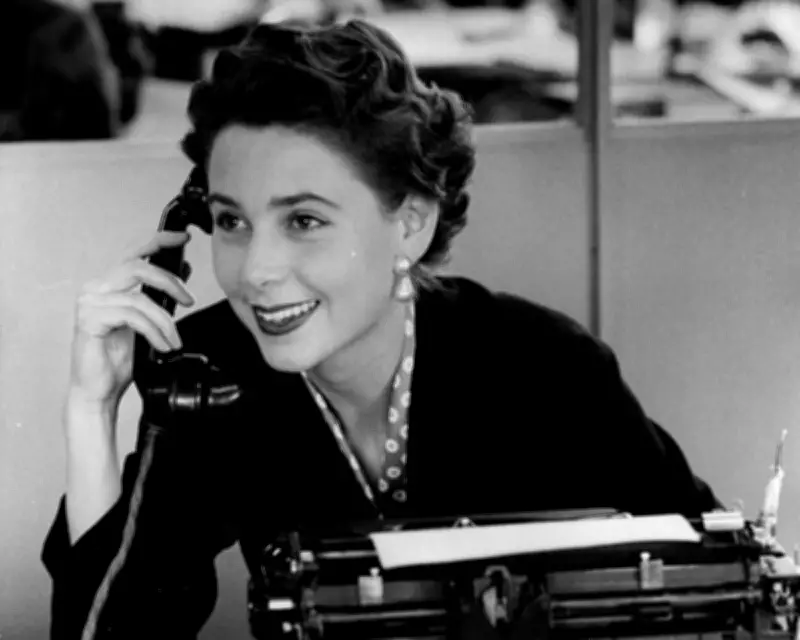
Drusilla Beyfus: A Life of Style and Substance in Journalism
Drusilla Beyfus, a pioneering journalist and esteemed authority on etiquette, has died at the age of 98. Her remarkable career began in the 1940s, a time when women faced significant barriers in the male-dominated world of Fleet Street. Without relying on nepotism or connections, she secured a position at the Daily Express by 1948, demonstrating early on her fearless and resourceful nature. One of her first assignments involved charming her way onto an RAF plane during the Berlin airlift, returning smudged but triumphant.
Early Career and Rise to Prominence
Beyfus started writing professionally at just 17 years old, and her work continued almost until her death. After initial stunts as a "plucky girl reporter," she transitioned to roles focusing on women's issues in newspapers and magazines. This shift allowed her to observe and document the rapidly changing social landscape of postwar Britain. Her insights into manners and behavior, compiled in books from 1957 to 1996, evolved from prescriptive guides to historical records of a society becoming more class-mobile, less deferential, and sexually liberated.
Over the decades, Beyfus developed a philosophy that courtesy was less about strict rules and more about consideration and putting others at ease. In her 1992 book Modern Manners, she advocated for honesty in all matters, including sexual health, reflecting her belief that good manners could elevate democratic society. She became a respected figure in etiquette, often quoted by journalists for her witty and kind advice, which emphasized kindness, interest in others, and sincere apologies.

Personal Background and Family Life
Born in London in 1927, Beyfus was the elder daughter of Norman Beyfus, a wool broker, and Florence Barker, a former West End dancer. Her early life in Belgravia was comfortable until her father's financial losses in 1938 led to a downward move to Henley-on-Thames. She attended the Royal Naval school in Richmond and Channing school during its evacuation to Ross-on-Wye. In 1944, she began her journalism career at the Reading Mercury, where she single-handedly wrote the women's page.
At the Daily Express, she worked as an assistant to star columnist Anne Edwards, helping attract female readers. Beyfus's photogenic appearance caught the eye of owner Lord Beaverbrook, and she lived a bold lifestyle for the time, sharing a flat in Shepherd Market with film critic Derek Monsey. In 1956, she married Express journalist Milton Shulman, with whom she had three children. Despite the era's expectations for women to leave work upon marriage or pregnancy, Beyfus continued her career, transitioning to roles at magazines like Queen and Brides, and writing for publications such as the Observer and Daily Telegraph.
Legacy and Later Years
Beyfus balanced her professional life with family responsibilities, hosting dinner parties in Eaton Square and attending cultural events with Shulman, who was the Evening Standard's theatre critic. From the 1960s to the 1990s, she appeared frequently on television as a polished and witty commentator. She remained curious about fashion and culture, adapting her style from Dior's New Look to modern designers like Issey Miyake. In her later years, she taught fashion journalism at Central St Martins for nearly two decades, receiving an honorary degree that she cherished.
All three of her children entered the media industry: Alexandra became editor of Vogue, Nicola a critic, and Jason a photographer and painter. They survive her, along with the legacy of her work. Milton Shulman died in 2004. Drusilla Beyfus's life and career exemplify a blend of elegance, intelligence, and resilience, leaving an indelible mark on journalism and social etiquette.