David Dimbleby Slams BBC's 'Crazy' Cuts to State Event Coverage
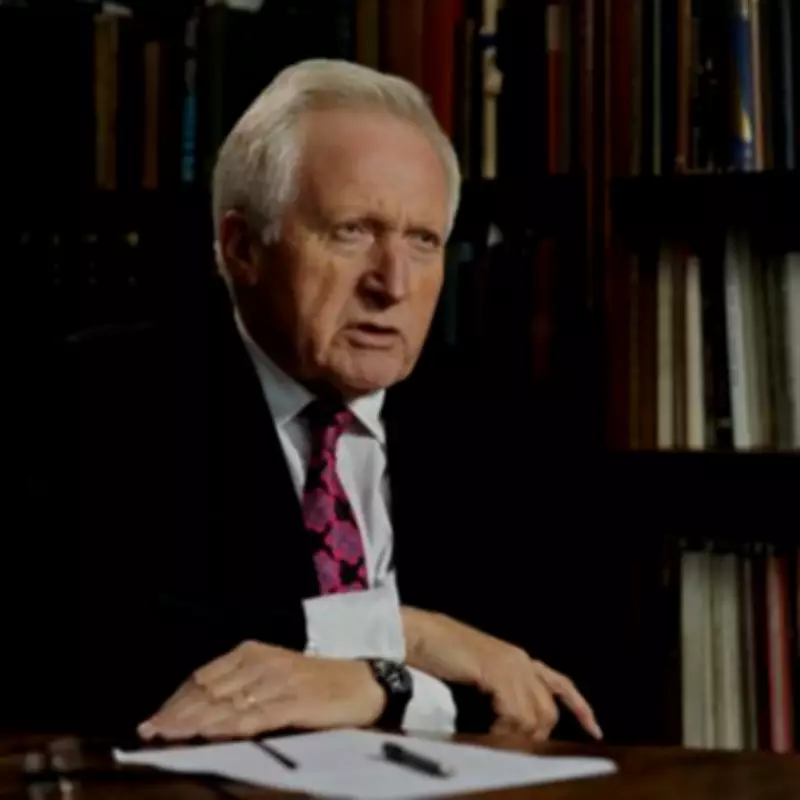
Veteran broadcaster David Dimbleby has launched a scathing critique of the BBC's decision to slash its events broadcast team, labelling the move as "crazy" and expressing deep concern over its potential impact on coverage of national occasions. The 87-year-old presenter, who has fronted more than 30 Remembrance Sunday services at the Cenotaph throughout his illustrious career, voiced his worries in an interview with BBC Newsnight this week.
Dimbleby's Stark Warning on BBC Cuts
The BBC recently unveiled plans to drastically reduce the specialised team responsible for broadcasting historic national events, including royal ceremonies, state funerals, and the annual Remembrance Sunday service. Dimbleby, whose family has deep ties to the broadcaster, emphasised that this decision fundamentally misunderstands the extensive preparation required for such coverage. "What worries me is the BBC closing down the events department, which I've worked with for years," he stated. "It's a very small unit devoted to doing that, and it's a difficult job. Apparently suddenly some bureaucrat has said 'oh, we don't need that', and I think that's crazy."
The Intensive Preparation Behind State Broadcasts
Dimbleby highlighted the meticulous work involved, explaining that events like the Cenotaph service demand months of advance planning. "The work that goes on before that thing hits the air is done by a dedicated team who have to talk to all the detachments that are going to march past the Cenotaph. It takes three months to prepare for that," he detailed. He further noted that coverage of Westminster Abbey events requires a month of preparation, while state openings of Parliament involve lengthy negotiations. "You have to have a group that can negotiate these things, you don't just go in and stick up a camera and say 'oh well, we'll do a programme', it is not like that. The BBC should know that."

Concerns Over Reliance on Freelancers
The broadcaster revealed that the current events team, described as "a very small dedicated unit," is set to be cut down to just one permanent staff member, with reliance on freelancers for support. Dimbleby argued this approach is insufficient, drawing on his experience covering Nelson Mandela's funeral and inauguration in South Africa. "Those were massive operations which took weeks to organise. You can't just do it with freelancers – freelancers are good, but they don't have the continued involvement, which is what you need to get these things right."
Defending the BBC's Core Mission
Dimbleby, who began his career at the BBC sixty years ago, stressed that covering national events is a cornerstone of the broadcaster's public service remit. "The peaks of the BBC are the things that other people don't or can't do or want to do. Those are the things you should guard above all else," he asserted. His father, Richard Dimbleby, was the BBC's first war correspondent and a leading commentator, while his brother Jonathan hosted the political debate show Any Questions? for 32 years, underscoring the family's longstanding commitment to the corporation.
In summary, David Dimbleby's forceful criticism highlights a growing tension within the BBC over resource allocation, with his warnings serving as a poignant reminder of the broadcaster's vital role in documenting the nation's most significant moments. The proposed cuts, if implemented, could jeopardise the quality and depth of coverage for events that hold profound cultural and historical importance across the United Kingdom.