Democrats Revive Clinton's 'Economy, Stupid' Slogan in Trump Iran War Critique
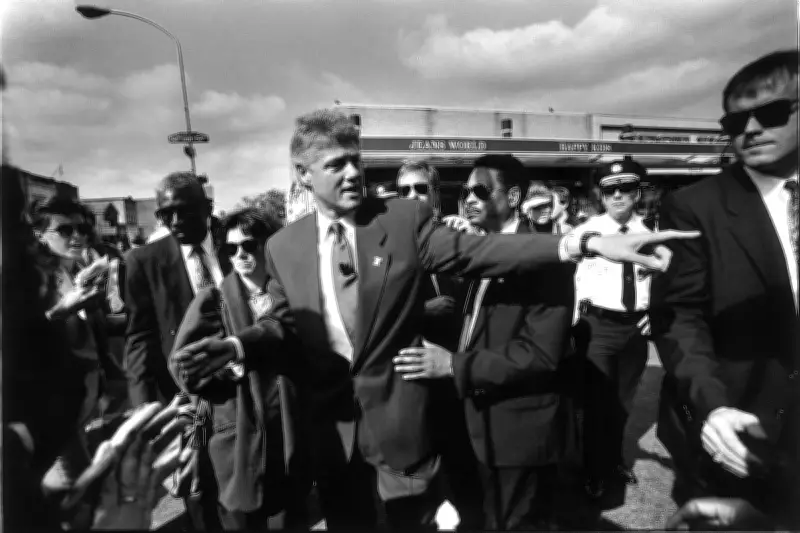
As President Donald Trump's military engagement in Iran persists with no clear resolution in sight, Democratic lawmakers are turning to a classic political playbook. They are resurrecting the iconic 1992 campaign line from Bill Clinton's strategist James Carville: "It's the economy, stupid." This strategic callback aims to highlight the economic fallout from the conflict, particularly soaring gas prices and inflationary pressures that threaten American households.
Gas Price Crisis Looms as Trump Claims Victory
Despite Trump's declarations of success in Iran, the war has triggered a severe energy crisis. The blockade of the Strait of Hormuz has disrupted global oil supplies, causing gasoline prices to surge by over 25 percent. This spike undermines Trump's core 2024 re-election promise to lower energy costs, which had been a key issue following the Covid-19 pandemic and Ukraine war supply shocks.
Trump administration officials have downplayed the economic pain. Vice President JD Vance acknowledged a "rough road ahead" with gas prices but labelled it a "temporary blip." Similarly, National Economic Council Director Kevin Hassett dismissed consumer concerns over rising prices as "the last of our concerns right now." These remarks echo the "transitory" inflation rhetoric of 2021-2022, which many Americans found dismissive during previous economic hardships.

Democratic Lawmakers Link War to Economic Hardship
Prominent Democrats are explicitly connecting the Iran conflict to everyday financial struggles. Senator Mark Kelly of Arizona, a former Navy captain and astronaut, criticised Trump's lack of strategic planning. "This president got into this without any kind of strategic goal, without a plan, without a timeline and without an exit strategy," Kelly told The Independent. He emphasised the broader economic chain reaction: "Raises the cost of gasoline, raises the cost of energy. When the cost of energy goes up, the cost of manufacturing, everything goes up."
Representative Jamie Raskin of Maryland, a constitutional scholar and lead impeachment manager against Trump, also tied the war to inflation. "Gas prices are up by more than 25 percent already, and this is another radical inflationary pressure," Raskin stated. He argued that illegal wars naturally become election issues, citing the founders' intent to keep war powers with Congress.
Historical Parallels and Political Strategy
Democrats see parallels with past presidential struggles. The late Jimmy Carter faced an oil shock and Iran crisis during his single term, while Bill Clinton successfully ousted an incumbent by focusing on economic anxiety. The current strategy reflects lessons from the 2022 and 2024 election losses, where Democrats believe voters punished them for perceived inaction on living costs.
Kelly and Raskin represent a dual-pronged approach: leveraging military credibility and legal expertise to challenge Trump's war while emphasising economic consequences. Their focus suggests a belief that Americans will tolerate many issues but not a declining standard of living. As the 2026 political landscape takes shape, this economic framing could define the opposition's campaign against Trump's foreign policy and its domestic impact.