The Legacy of Ron Boswell and the New Battle Against One Nation
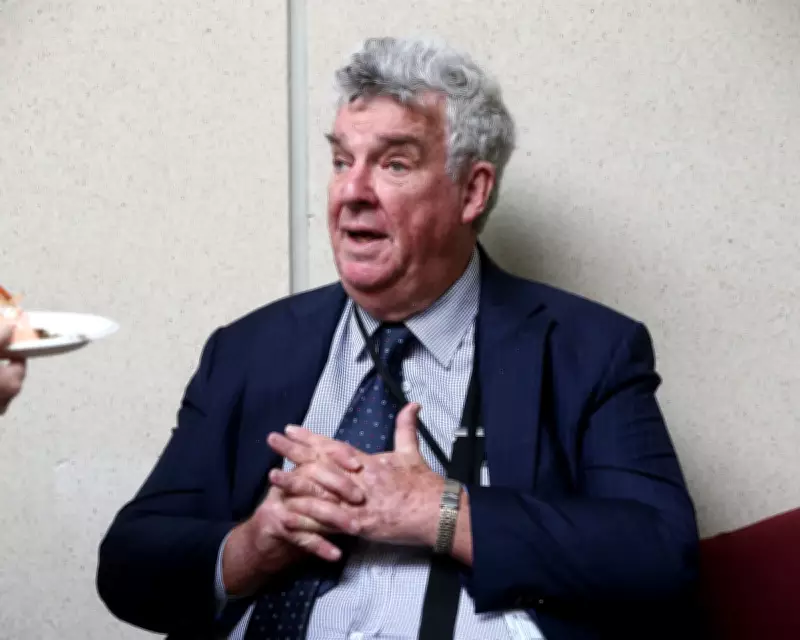
The late Ron Boswell, a veteran Queensland National, once faced down Pauline Hanson's One Nation party with a memorable campaign slogan: "He's not pretty, but he's pretty effective." This approach helped him secure a defining victory in 2001, as he defended his Senate seat against Hanson's aggressive, narrow vision for Australia. Boswell, who passed away in January, viewed this triumph as his greatest political achievement, setting a precedent for future conflicts with the populist movement.
Matt Canavan Steps into the Fray
Now, Boswell's protege, Matt Canavan, has taken the helm of the Nationals and faces a renewed challenge from One Nation. With Hanson's support surging to as high as 28% in recent polls, driven by economic uncertainty and grievance politics, Canavan must navigate a more fragmented political environment than his mentor did. One Nation's influence is bolstered by figures like Barnaby Joyce, a former National who defected to join Hanson's ranks, adding complexity to the battle.
Canavan has already shown a willingness to engage directly with Hanson, following Boswell's advice to take the fight to her. He criticized her as "un-Australian" for comments about Muslims and highlighted her lack of tangible achievements, such as failing to deliver infrastructure projects like dams or hospitals. This confrontational stance mirrors Boswell's strategy of painting One Nation as ineffective and ideologically chaotic.

The Strategy to Counter One Nation
Boswell's prescription for defeating One Nation emphasized avoiding preference deals with the party, as they risk alienating moderate voters and pushing conservatives toward Hanson. Instead, he advocated for forcefully explaining to voters the consequences of One Nation gaining policy influence. Canavan appears to be adopting this approach, but the task is complicated by a shifting political landscape where traditional campaigning methods may no longer suffice.
Many protest voters now support One Nation not out of belief in its policies, but as a way to express anger at the entire political system. These individuals feel betrayed by economic hardships, such as housing unaffordability and rising living costs, making them more likely to back Hanson as a form of rebellion. Canavan's challenge is to win back these disaffected conservatives without alienating centrist voters, a delicate balance that could impact the Coalition's broader efforts against Labor.
Broader Implications for the Coalition
Canavan's focus on social issues, climate change, and renewable energy places him at odds with mainstream Australian views, potentially hindering the Coalition's appeal to the centre. His weaponisation of net zero policies has been criticized as a denial of science, offering an advantage to Prime Minister Anthony Albanese. As the South Australian state election approaches, it will test Hanson's ability to convert polling numbers into seats, while Canavan's effectiveness against One Nation will be crucial for the Nationals' survival.
Ultimately, Canavan faces an uphill battle to prove he can capture conservative voters and counter One Nation's rise. If he fails, the result for the Coalition may be far from pretty, echoing Boswell's legacy but in a more challenging era.