Bombshell Poll Exposes British Public's True Feelings on Trump's Iran Military Action
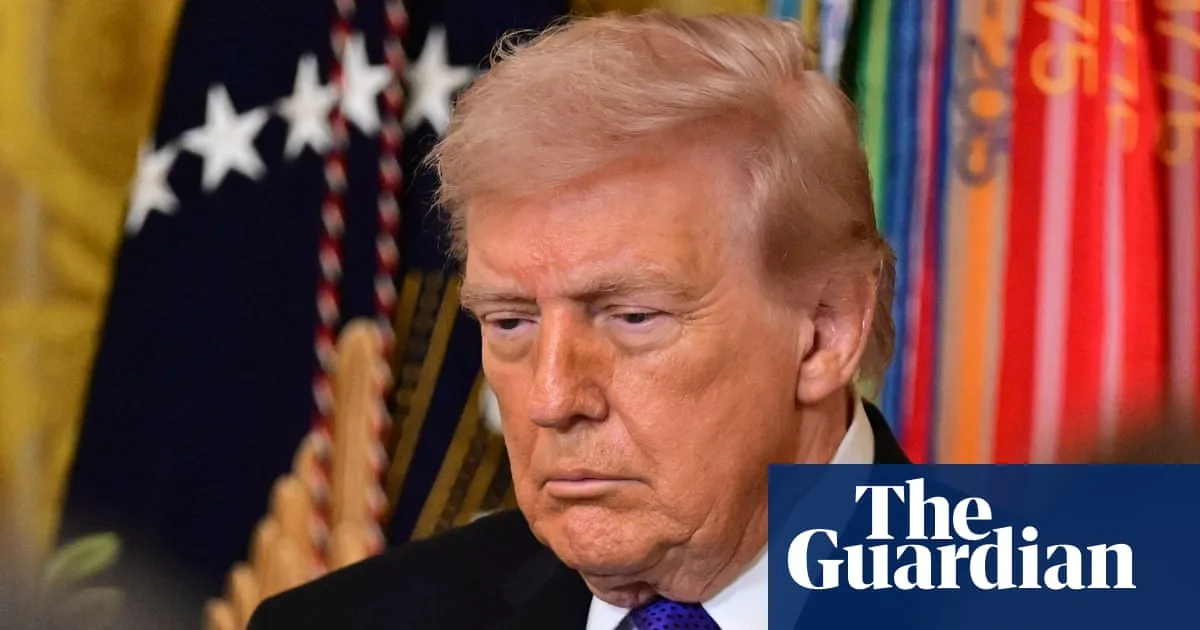
A revealing new poll has uncovered what the British public genuinely thinks about Donald Trump's recent military strikes against Iran, with the data showing significant opposition to the unpredictable US President's actions. The comprehensive survey comes amid a political storm triggered by Trump's criticism of Prime Minister Keir Starmer's response to the escalating Middle East crisis.
Overwhelming Opposition to US Military Strikes
According to the snap YouGov poll of 4,132 British adults, a substantial 49% of respondents expressed opposition to President Trump's decision to launch strikes against Iran. In stark contrast, less than three in ten Britons—specifically 28%—indicated support for the American military action. This clear divide highlights the British public's cautious approach to international military interventions.
The polling data becomes even more significant when examining attitudes toward the United Kingdom's direct involvement. Exactly half of those surveyed—50%—stated their opposition to allowing the United States military to utilize Royal Air Force bases for launching attacks against Iran, even if such operations were strictly limited to targeting missile sites and storage facilities. Only 32% of respondents supported granting the US military access to British bases for these purposes.
Political Leadership Under Scrutiny
The polling was conducted following President Trump's public criticism of Prime Minister Keir Starmer for what he perceived as insufficiently rapid support for American military actions. In comments to The Sun newspaper, the 79-year-old US commander-in-chief expressed disappointment, stating: "He has not been helpful. I never thought I'd see that from the UK. We love the UK. This was the most solid relationship of all."
Prime Minister Starmer responded with his strongest rebuke yet of the American President's approach, telling Parliament: "This Government does not believe in regime change from the skies. The lessons of history have taught us that it is important when we make decisions like this that we establish there is a lawful basis for what the United Kingdom is doing." He specifically referenced lessons learned from the Iraq war, emphasizing the need for a "viable thought-through plan with an objective that can be achieved."
Partisan Divides in Public Opinion
The YouGov survey revealed significant political polarization in attitudes toward the military action. Among Reform UK voters, 36% expressed strong support for the US strikes against Iran, while 17% of Conservative voters shared this position. This contrasts sharply with supporters of other major parties, where only 5% of Labour voters, 3% of Green Party supporters, and 4% of Liberal Democrat backers strongly endorsed the American military action.
Reform UK leader Nigel Farage publicly criticized Prime Minister Starmer's handling of the crisis, describing the response as "frankly pathetic." Farage stated: "I do believe the American president and the Israelis are right in what they are doing. I find the actions of our Prime Minister—or the inactions, perhaps I should say, of our Prime Minister—frankly pathetic."
Government's Cautious Approach and Evacuation Plans
Despite the political pressure, the British government maintained a measured position. Initially refusing to permit the use of UK bases for the opening strikes, Prime Minister Starmer later granted limited authorization for American forces to utilize British facilities specifically to target Iran's missile launchers and storage sites. The Prime Minister emphasized that his "first duty" remained protecting British citizens in the region.
The Foreign Office has activated comprehensive evacuation plans for British nationals, exploring all available options including air, land, and sea routes. More than 102,000 people have already registered their presence with the government, and rapid deployment teams are being sent to the region to provide on-the-ground support. "The situation on the ground may remain challenging for some time," the Prime Minister acknowledged during his parliamentary update.
Public Prefers Neutral Diplomatic Stance
Perhaps most tellingly, the YouGov poll found that 45% of British adults believe the United Kingdom should adopt a neutral diplomatic position regarding the Iran attacks—neither praising nor condemning the United States for its military actions. This suggests a public preference for measured diplomacy rather than overt alignment with either side of the international dispute.
The comprehensive polling data provides crucial insight into British public sentiment at a moment of significant international tension, revealing deep reservations about military escalation while highlighting the complex political calculations facing the government as it navigates this diplomatic challenge.