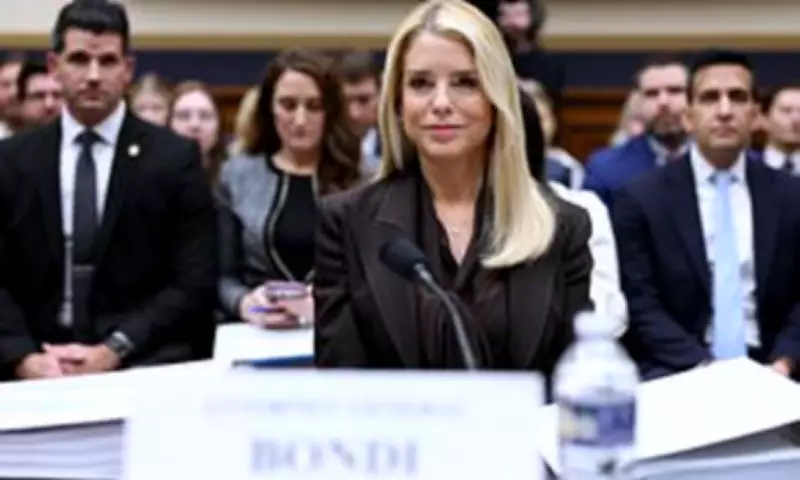
Attorney General Pam Bondi Faces Intense Scrutiny Over Epstein Files Handling
During a Capitol Hill hearing on Wednesday, Attorney General Pam Bondi, appointed by President Donald Trump, was sharply criticized for her handling of the Epstein Files. Congressman Jamie Raskin of Maryland led the charge, accusing Bondi of failing to meet with victims of financier Jeffrey Epstein, who were present at the oversight hearing for the Department of Justice on Tuesday.
Delays in File Release Under Scrutiny
Raskin highlighted that Bondi has not adhered to the timeline established by the Epstein Files Transparency Act, which was passed by Congress and signed into law by President Trump last year. The act mandates the release of documents related to Epstein's case, but Bondi's department has yet to comply, raising concerns about transparency and accountability.
Accusations of a Cover-Up
In a heated exchange, Raskin asserted that Bondi's actions suggest a deliberate cover-up. He stated, 'Your performance screams cover-up. As Attorney General, you're siding with the perpetrators, and you're ignoring the victims that will leave your legacy unless you act quickly to change course. You're running a massive Epstein cover-up right out of the Department of Justice.' These remarks underscore the growing pressure on Bondi to address the issue promptly.

Victim Advocacy and Legal Obligations
The presence of Epstein's victims at the hearing added emotional weight to the proceedings. Raskin emphasized that Bondi's failure to engage with them directly contradicts her role in upholding justice. The oversight hearing aimed to assess the Department of Justice's compliance with federal laws, but Bondi's responses were met with skepticism from lawmakers.
Broader Implications for the Department of Justice
This incident highlights ongoing challenges within the Department of Justice regarding high-profile cases. The delay in releasing the Epstein Files could impact public trust and legal proceedings. Bondi's testimony is part of a broader investigation into how the department manages sensitive information and supports victims of crime.
This is a developing story, and further updates are expected as more details emerge from the congressional hearing and subsequent actions by the Department of Justice.