Major UK Attractions Offer Deep Discounts for Benefit Claimants
Families receiving benefits across the United Kingdom are accessing significant price reductions at leading tourist attractions, while those in employment face costs exceeding £100 for identical visits. This disparity has ignited a fierce political debate regarding equity and the welfare system.
Substantial Savings for Universal Credit Recipients
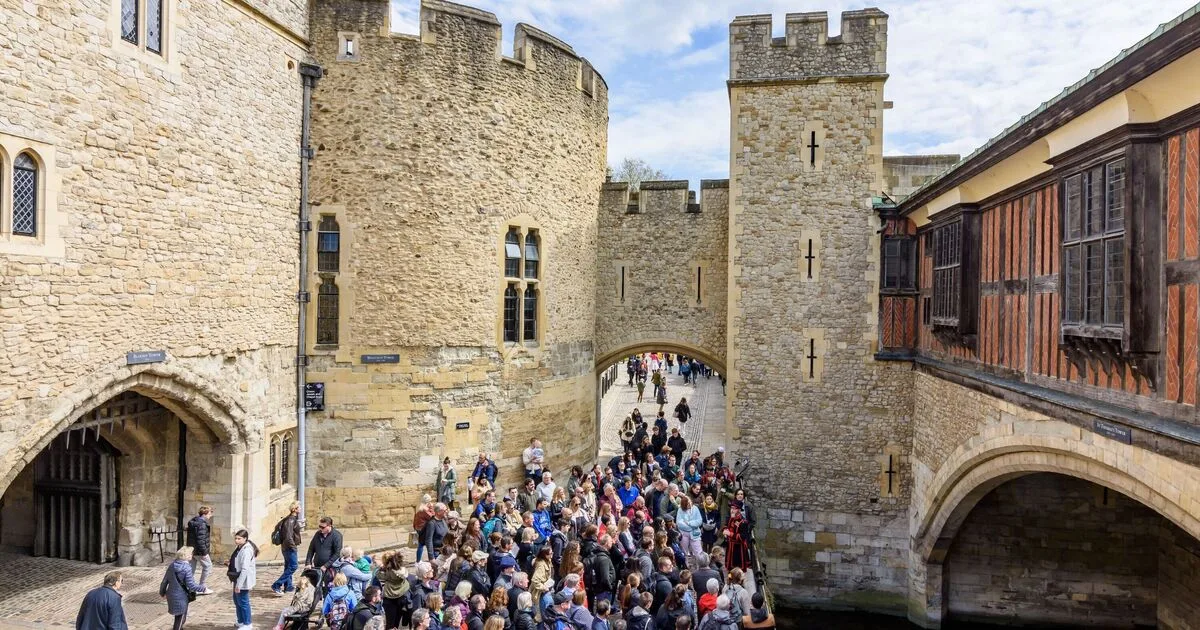
A family of four can visit the iconic Tower of London for merely £4, compared to the standard £111 fee, provided one parent is in receipt of universal credit. Similarly, entry to Buckingham Palace, typically priced at £99 for two adults and two children, drops to just £1 per ticket for benefit claimants, representing a saving of £95.
More than 80 attractions nationwide extend these discounts, creating what some MPs describe as a 'two-tier system that punishes work'. Notable examples include London Zoo, where an £82 reduction lowers a family ticket from £108 to £26. Westminster Abbey offers a £60 saving from its standard £62 family price, costing only £2. HMS Belfast, St Paul's Cathedral, Kew Gardens, Kensington Palace, and the Cutty Sark all provide comparable reductions.
Political Reaction and Visitor Numbers
Helen Whately, the shadow work and pensions secretary, commented to The Times: 'Taking your children for a day out to see the sights has become punishingly expensive. No wonder people are frustrated to see huge discounts offered to households on benefits.'
Data reveals significant uptake of these offers. Historic Royal Palaces reported approximately 106,000 visitors used £1 tickets to enter the Tower of London from April 2025 to March 2026. Meanwhile, London Zoo sold 300,000 reduced tickets in the 2024/25 period, accepting simple proof like screenshots or PDFs as eligibility verification.
Broader Context: The Two-Child Cap Scrapped
This controversy unfolds alongside the recent abolition of the two-child benefit cap on Easter Monday. Originally introduced by the Conservatives to restrict child benefits to the first two children in most families, the policy's removal is projected to cost taxpayers £3.5 billion annually.
The Conservatives have strongly criticised Labour's decision to scrap the cap, valued at £3,647 per child per year. They warn it will 'cost billions, reward worklessness and leave working families picking up the tab'. Party leader Kemi Badenoch stated: 'While working people struggle with rising fuel and food prices, Keir Starmer is giving another handout to those on benefits.'
Conservative research suggests the benefit increase may be concentrated in areas like Leeds, Manchester, Birmingham, Bradford, and Glasgow, where jobless families could receive over £200 million extra in child benefits yearly. The largest families might qualify for more than £10,000 annually in additional support.
Labour's Defence and Counterclaims
Chancellor Rachel Reeves axed the cap, introduced in 2017, in her last Budget. Labour has countered Conservative criticisms, accusing them of 'fiddling the figures' and 'lying about how the benefits system works'. The party asserts that lifting the cap will immediately pull 450,000 children out of poverty.
In an article for the Guardian, Prime Minister Keir Starmer hailed the policy change, which coincides with increases in state pensions and new workers' rights. He wrote: 'The test of any government is not what it promises, but whose side it is on when it matters most... The choices we have made since day one to stabilise the economy mean we are in a far better position to withstand shocks.'
Starmer emphasised that a 'serious, credible economic strategy' is essential to support families, a principle he claims defines the Labour Government's approach.
The Conservatives have pledged to reinstate the two-child cap if returned to power, proposing to use the savings to bolster the Armed Forces, framing it as a matter of fairness for working families.