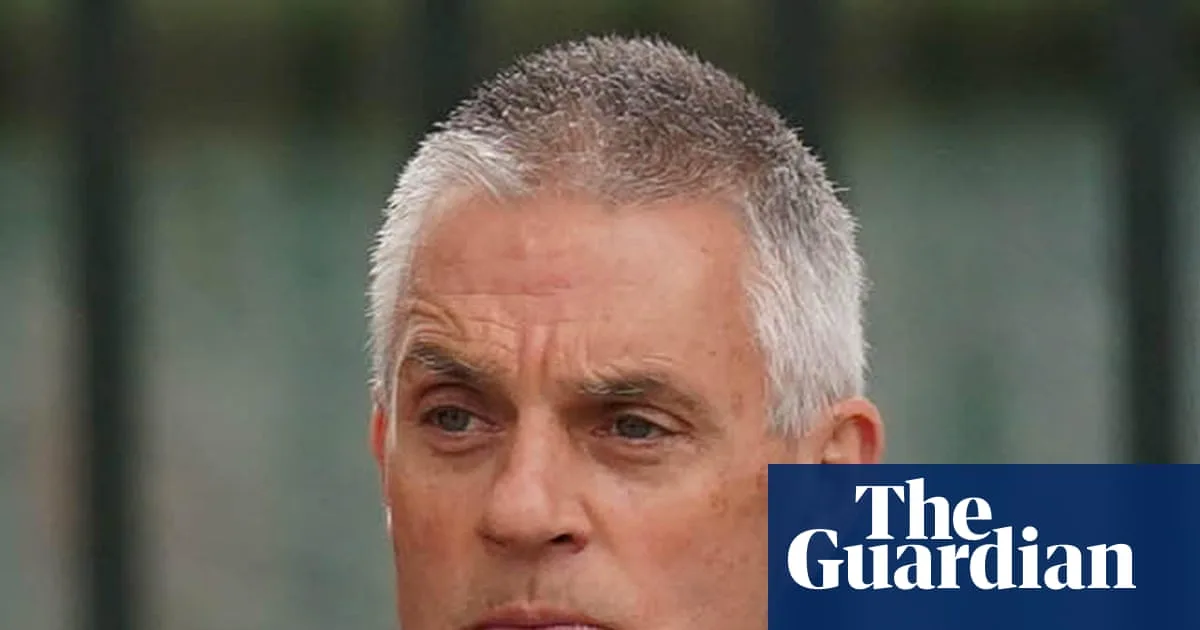
BBC director general Tim Davie has apologised for a “significant failing” in the broadcaster’s handling of a documentary about children in Gaza, after an internal investigation found the programme breached editorial guidelines on accuracy. The documentary, Gaza: How to Survive a Warzone, aired on BBC Two in February but was later removed from iPlayer after it emerged that the 13-year-old narrator was the son of a Hamas official.
The investigation, led by Peter Johnston, the BBC’s director of editorial complaints and reviews, found that three members of the independent production company Hoyo Films knew of the father’s position but did not inform the BBC. Although the review concluded Hoyo Films bore most responsibility, it also criticised the BBC for failing to be “sufficiently proactive” with initial editorial checks and for a “lack of critical oversight” when questions about the narrator’s father went unanswered.
The inquiry found no other breaches of guidelines, including impartiality, and stated that no outside interests “inappropriately impacted on the programme”. It also found no evidence that anyone involved was subject to financial sanctions; a fee of £795 was paid to the narrator’s adult sister, and the narrator received a secondhand mobile phone and a gift card for a computer game.
Davie faces mounting pressure from culture secretary Lisa Nandy, who described a “series of catastrophic failures” by the BBC in recent weeks. In response to the documentary findings, Nandy said the BBC “must ensure that such errors are never repeated” and stressed the need for “accurate and impartial reporting on the conflict in Gaza”. Davie and BBC chair Samir Shah have been summoned by MPs to answer questions on the matter when parliament returns from summer recess.
Davie announced a series of changes, including enhanced editorial controls and a requirement that no “high-risk” long-form programmes be formally commissioned until all compliance issues, including rigorous social media and background checks, have been considered. He said there would be “fair, clear and appropriate actions to ensure proper accountability”, though no one has been dismissed so far. The communications watchdog, Ofcom, has also launched an investigation into the documentary under its broadcasting code.