BBC Leadership Collapses Amid Mounting Political Pressure
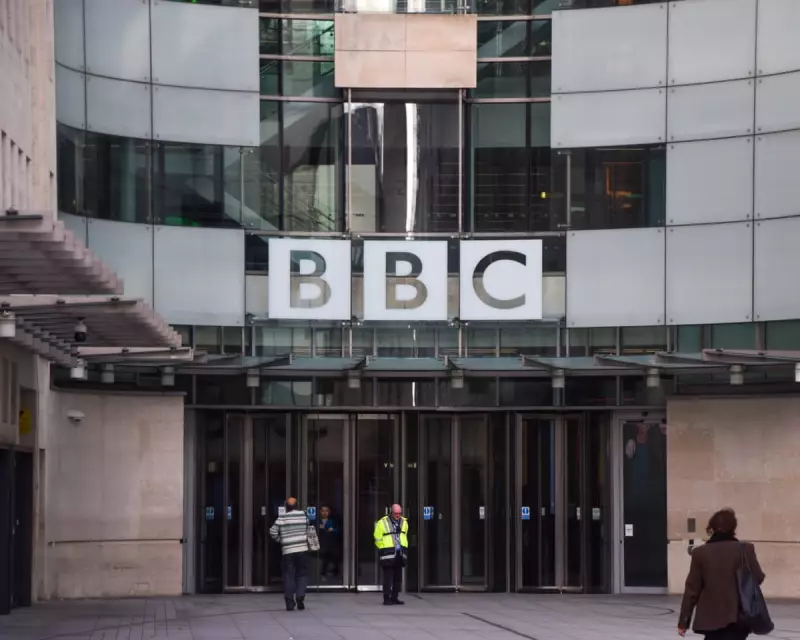
The BBC finds itself in unprecedented turmoil following the dramatic resignation of Director General Tim Davie and news chief Deborah Turness on Sunday. The departure marks a significant moment for the national broadcaster, which has faced increasing scrutiny over its editorial standards and political independence.
For years, BBC staff had joked that "deputy heads must roll" over major mistakes while senior leadership remained untouched. This pattern shattered when Davie, nicknamed "Teflon Tim" by insiders for his ability to survive previous scandals, finally succumbed to mounting pressure.
The Panorama Report That Sparked the Crisis
Ironically, the trigger for this leadership crisis emerged from a largely forgotten Panorama programme broadcast over a year ago concerning the US election. The Daily Telegraph obtained a leaked report by Michael Prescott, a former adviser to the BBC's editorial standards committee, that accused the corporation of "serious and systemic" bias.
Prescott's analysis suggested that Panorama had edited a Donald Trump speech to make it appear he explicitly encouraged the Capitol riots. The revelations prompted immediate reaction from political figures, with former Prime Minister Boris Johnson declaring Davie "must either explain or resign" and Conservative leader Kemi Badenoch insisting "heads should roll".
The controversy quickly crossed the Atlantic, where the White House described the BBC as "100% fake news" and a "propaganda machine", further intensifying the international spotlight on the British broadcaster.
Government Concerns and the Battle Against Disinformation
Culture Secretary Lisa Nandy revealed she had held "countless conversations with senior leadership" since the election, indicating serious government concerns about the BBC's direction. Nandy warned of a "very, very dangerous environment in this country where people can't trust what they see".
Despite these tensions, many within government recognise the BBC's crucial role in challenging disinformation within Britain's increasingly polarised media landscape. Senior insiders acknowledge that the public service broadcaster plays a vital part in preserving democratic values against the rise of populist politics.
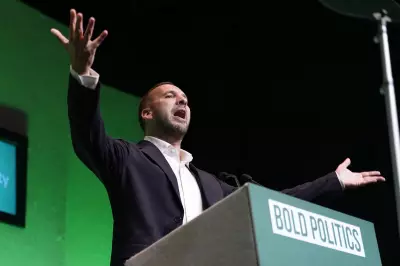
Lib Dem leader Ed Davey articulated this sentiment, stating: "The BBC isn't perfect, but it remains one of the few institutions standing between our British values and a populist, Trump-style takeover of our politics."
Broader Implications for the BBC's Future
The timing of this crisis proves particularly sensitive, with the government due to review the BBC's royal charter before the current term expires in 2027. Senior government insiders hope to use this process to "future proof" the BBC by establishing structures that protect its independence while ensuring greater accountability.
Senior BBC figures have expressed dismay at recent events, acknowledging genuine concern about editorial errors while fearing that some attacks form part of a coordinated political campaign to undermine the organisation. Many share the view that the corporation lacks leadership capable of successfully navigating contemporary culture wars.
Despite regularly topping UK media trust rankings, the BBC now faces the formidable challenge of repairing broken trust with politicians, its own journalists, and crucially, with significant portions of the British public. The corporation's future ultimately depends on its ability to deliver fair and accurate reporting free from political or ideological bias from either side of the spectrum.