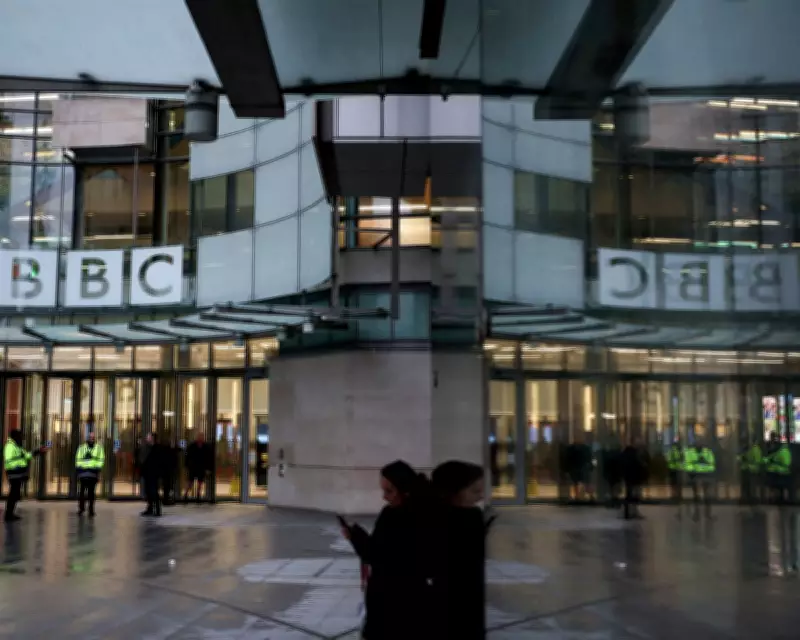
BBC Proposes Permanent Charter and End to Political Board Appointments
The BBC is set to call for an end to political appointments to its board as part of a series of sweeping changes aimed at safeguarding its independence and securing its long-term future. The corporation will also demand that its royal charter be placed on a permanent footing, seeking to eliminate the existential threat posed by the current requirement to renegotiate with ministers every decade.
Proposals to Protect Independence
These proposals form the core of the BBC's official response to ongoing charter renewal talks, which is scheduled for publication on Thursday. The move follows significant internal concern at the BBC that political pressure from board members contributed to the resignations of Director General Tim Davie and Head of BBC News Deborah Turness in November last year. MPs and BBC staff have called for the removal of board member Robbie Gibb, Theresa May's former communications chief appointed under Boris Johnson's premiership, amid allegations of a "coup" against the executives.
While the BBC has consistently stated that Gibb's voice is just one among many on the board, and Chair Samir Shah has dismissed claims of a rightwing takeover, the corporation is now pushing to end political appointments and the perception of interference they create. A BBC source highlighted findings from the broadcaster's largest-ever audience engagement exercise, where licence-fee payers emphasised that the BBC's independence is non-negotiable.

"When it comes to independence, perceptions matter as much as reality, and the audience has spoken," said the source. "This charter must find ways to reassert the BBC's editorial, creative and operational independence, so the BBC can continue to be a universally supported, trusted, unifying force."
Addressing Funding and Modernisation Challenges
The proposals are part of a broader set of significant changes expected from the BBC, which faces hostility from political detractors and commercial rivals over its funding model. The current charter expires at the end of 2027, and insiders report that non-payment of the licence fee is increasing faster than anticipated, leading to announced cuts as its funding base erodes.
Additionally, the BBC must navigate a rapidly evolving media landscape dominated by wealthy streamers like Netflix and digital platforms such as YouTube. Executives continue to oppose a shift to an ad-funded or subscription-based system, but acknowledge that radical ideas must be considered to ensure the future of public service broadcasting and justify the universal funding model.
Permanent Charter as a Safeguard
The concept of a permanent charter was previously advocated by former BBC News chief James Harding, who warned that protecting the BBC is crucial, especially with the prospect of figures like Nigel Farage entering government. Harding argued it would be "recklessly complacent" to believe that Reform would not attempt to defund publicly backed media, drawing parallels to actions by Donald Trump in the US.
BBC insiders assert that the current 10-year charter creates a "recurring threat to the BBC's existence, uncertainty and the potential for political interference." They point to institutions like the Bank of England, which operate under permanent charters, as models. A permanent charter would mean that while the BBC would still negotiate over its operations and funding, its very existence would no longer be in question.
Leadership and Future Directions
The BBC is publishing these proposals while continuing its search for a new leader to replace Tim Davie. Many previously considered candidates are no longer in contention, with former Google executive Matt Brittin now seen as the frontrunner. The corporation emphasises a commitment to modernisation and greater audience involvement in its decision-making processes.
"At the same time, we want to keep modernising the BBC and find new ways to open up our thinking, plans and decision-making to our audience, so they are more involved," added the BBC source. This approach aims to balance independence with transparency, ensuring the BBC remains a trusted institution amid ongoing challenges.