Kemi Badenoch's Controversial Oil Rig Visit Amid Energy Crisis
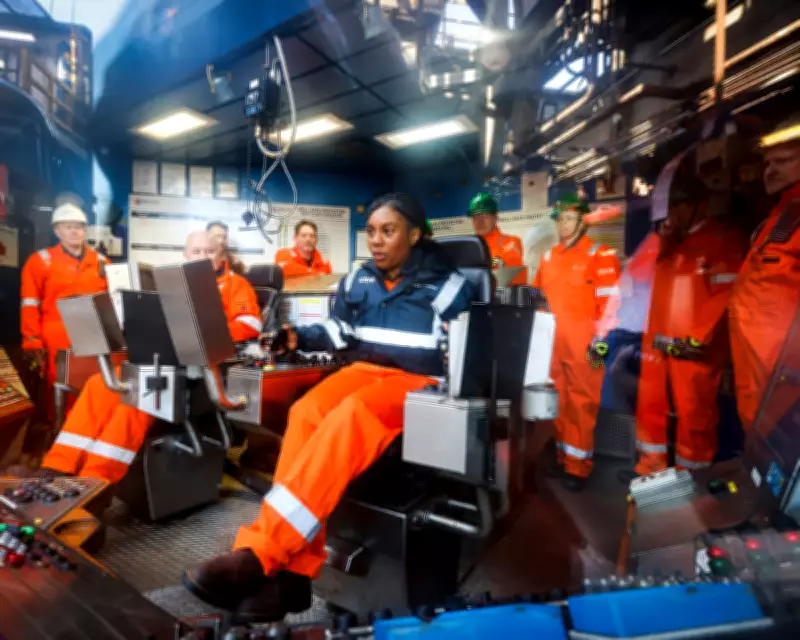
Conservative leader Kemi Badenoch was photographed at the drilling controls of the Well-Safe Protector oil rig in Aberdeen's port on Monday, in a move critics have labeled a political stunt. The visit comes as global oil prices surge above $110 per barrel, driven by escalating tensions in the Middle East following the US declaration of war on Iran.
Displacement Activity or Strategic Move?
Observers have noted Badenoch's tendency toward what some call "displacement activity"—diverting attention from complex issues with simplistic solutions. Her immediate response to the Iran conflict was to advocate for UK involvement, mirroring US President Donald Trump's stance, without apparent consideration of legal justifications or long-term consequences. When shadow cabinet members raised concerns about entering an offensive war with unclear objectives, Badenoch reportedly grew frustrated, insisting her position had been misunderstood.
This pattern extends to domestic energy policy. Despite Labour's commitment to freeze fuel duty until September, Badenoch has acted as if increases were imminent. She has also failed to acknowledge that rising oil prices—partly triggered by the Iran war—directly contradict her earlier enthusiasm for the conflict.

North Sea Drilling: Symbolism Over Substance
Badenoch's promotion of new drilling licenses in the North Sea's Rosebank and Jackdaw oilfields has drawn particular scrutiny. Experts point out that UK oil and gas are traded at international prices, meaning increased extraction would not reduce consumer costs. Unlike Norway, which retained state ownership of its oil resources, Britain privatized its North Sea assets decades ago.
"There is precisely no knock-on benefit to UK consumers of extracting more fossil fuels," energy analysts note. Yet Badenoch frames the issue as one of energy security, arguing for domestic production over "foreign muck." Her stance ignores that renewables offer better long-term self-sufficiency, a point even her shadow energy secretary Claire Coutinho previously endorsed before shifting alignment.
Policy Contradictions and Reform Influence
In a surprising twist, Badenoch has adopted policies reminiscent of Reform UK, including plans to remove VAT from energy bills for three years and cut green subsidies. Simultaneously, she proposes reducing windfall taxes on oil and gas companies despite their record profits during the crisis. Critics argue these measures lack coherent costings and contradict climate commitments.
The Conservative leader's Monday appearance in Aberdeen echoed Trump-era "drill, baby, drill" rhetoric, but displayed a fundamental misunderstanding of energy logistics. "It's as though she thinks you just turn on a tap off the Scottish coast and petrol starts overflowing," one commentator remarked.
Labour's Muted Response
Meanwhile, Labour leader Keir Starmer launched the party's local election campaign in Wolverhampton with subdued energy. Speaking for about ten minutes, he emphasized his early opposition to the Iran war—a stance unlikely to sway voters preoccupied with economic pressures. The event concluded without media questions, leaving attendees puzzled about its purpose.
As the Conservatives and Labour grapple with overlapping crises—from Middle East conflicts to domestic inflation—Badenoch's oil rig spectacle underscores a broader trend of political theater overshadowing substantive policy debates. With elections looming and public anxiety high, the disconnect between symbolic gestures and practical solutions grows ever more apparent.