Conservative Leader Accuses PM of Failing to Tackle Energy Costs
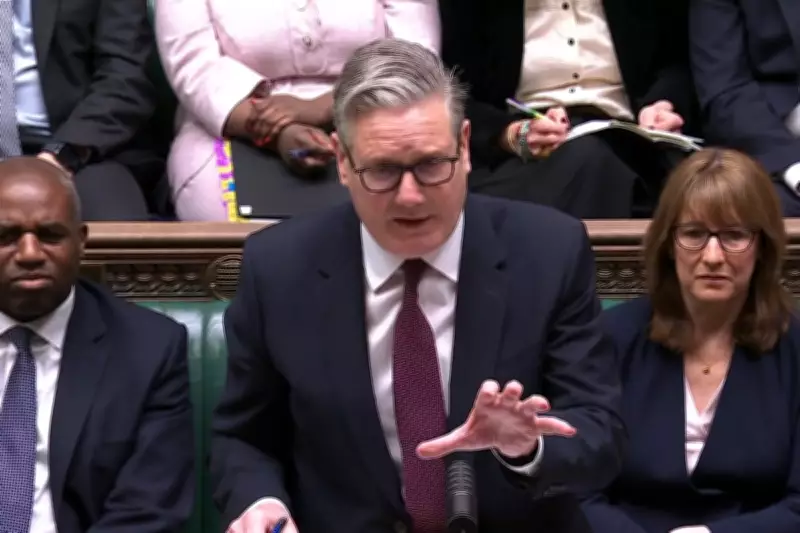
Conservative leader Kemi Badenoch has launched a scathing attack on Prime Minister Keir Starmer, accusing him of bailing out those on benefits instead of implementing measures to reduce soaring energy bills. The heated exchange occurred during Prime Minister's Questions on Wednesday, 25 March 2026, as Badenoch claimed Starmer is directly responsible for the spike in household and business energy costs.
"Bailout for Benefit Street" Allegation
Badenoch asserted that families and businesses are suffering due to the Prime Minister's decisions, stating: "He says bills are coming down. They are higher than they were when he came into office." She criticised Starmer for not abolishing green taxes on bills, halting fuel duty rises, or approving new gas drilling licences in the North Sea. Instead, she alleged, "He is planning another giveaway to people on welfare. Yet again, he is taking money from those who do work to give to those who don't." Badenoch concluded by branding the Labour government as "the welfare party," referencing what she called a "bailout for Benefit Street."
Starmer's Rebuttal Points to Middle East Conflict
Prime Minister Starmer hit back forcefully, attributing the energy price surge to the ongoing conflict in the Middle East and accusing Badenoch of repeatedly "getting the big calls absolutely wrong." He highlighted her support for joining the war, opposition to energy security measures, and criticism of government efforts to cut bills. "She wanted to drag us into the war. She got that wrong," Starmer declared, emphasising that his decisions are based on national interest, including avoiding involvement in the conflict and acting in collective self-defence with allies.

North Sea Drilling and Energy Security Debate
The confrontation extended to energy policy, with Badenoch pressing Starmer to approve new drilling licences at sites like Rosebank and Jackdaw in the North Sea to boost domestic gas production. Starmer insisted such decisions fall to the Energy Secretary, maintaining a focus on broader energy security strategies. Meanwhile, Chancellor Rachel Reeves confirmed that targeted help for households is being developed ahead of the energy price cap's expiration in June, acknowledging that global price pressures could further increase domestic bills.
Broader Political Criticisms Emerge
Liberal Democrat leader Sir Ed Davey entered the fray, accusing Badenoch of "crocodile tears" over the Iran war, given her previous support for military action without considering energy bill impacts. Davey also criticised former US President Donald Trump, suggesting his social media posts about Iran negotiations may have enabled insider trading in oil futures, enriching associates while worsening economic conditions. "This looks like corruption of the very worst kind," Davey stated, questioning whether Trump's war decisions prioritise personal gain over peace.
IRGC Proscription Call Rejected
Former Tory leader Sir Iain Duncan Smith urged Starmer to proscribe the Islamic Revolutionary Guard Corps (IRGC), describing them as a "brutal bunch of thugs." Starmer responded that the IRGC has been fully sanctioned, but existing proscription powers are not designed for state organisations, though the matter remains under review. This added a layer of diplomatic tension to the session, underscoring the complex interplay between international conflicts and domestic economic pressures.
The parliamentary clash highlights deepening political divisions over energy, welfare, and foreign policy, with rising oil and gas prices due to Middle East instability continuing to strain UK households and fuel partisan debates on fiscal responsibility and national security.