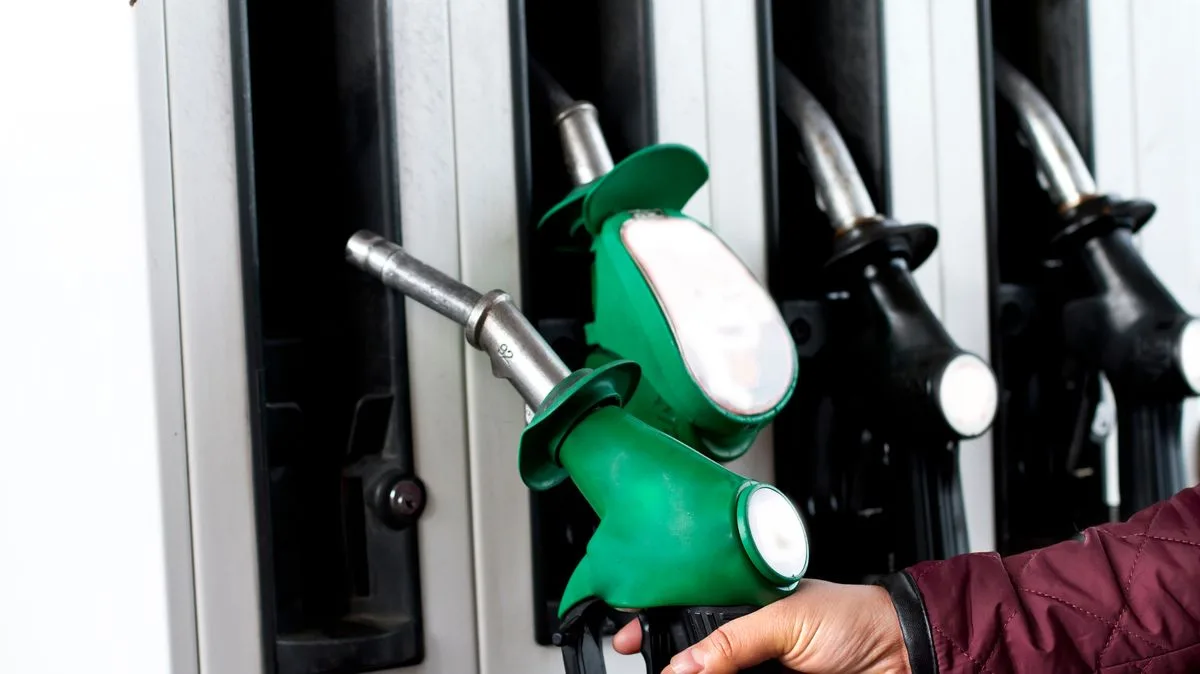
Drivers have been warned it could take “weeks, if not a few months” for petrol and diesel prices to come down despite falling oil prices. Fuel prices have surged since the start of the Iran war and the effective closure of the Strait of Hormuz, which handles about 20% of the world's oil and liquefied natural gas.
The price of Brent crude fell below $100 a barrel this week after the US and Iran announced a two-week ceasefire. However, analysts said it may take a while for lower prices to filter down to the pumps. Rachel Winter, from wealth management company Killik & Co, told BBC Radio 4's Today Programme: 'I would expect it to take at least a few weeks, if not a few months.'
The average price of diesel was 190.6p on Wednesday morning, up 34% since the start of the conflict on February 28, the RAC said. The average price of unleaded petrol reached 157.7p, up 19%. The cost of filling a typical family car with diesel exceeded £100 late last month for the first time in more than three years. It now costs £104.83 to fill a 55-litre car, £26 more than before the start of the conflict.
Separate research from the RAC Foundation suggests drivers have paid an extra £920 million since the start of the war. The Easter bank holiday weekend is expected to bring this total to above £1 billion.
RAC head of policy Simon Williams said the ceasefire agreement has raised hopes that pump prices could “top out” in the coming days. He said: 'Both fuels are now at their most expensive since late 2022. The conditional ceasefire announcement may have taken some heat out of global oil prices, but the outlook for drivers in the UK remains highly uncertain. The best hope in the short-term is that pump prices stop rising at the rate they have been and hopefully top out in the coming days.'
He added: 'Much will depend on the stability of the ceasefire, whether oil shipments can move freely through the Strait of Hormuz, and the longer‑term impact on oil production across the Gulf. As it is a sustained lower oil price – over several weeks, not just a few days – that is required to bring wholesale fuel costs down meaningfully. Drivers should not expect significantly cheaper fuel in the short term, although some smaller independent forecourts buying on a “spot” basis may be quicker to pass on any reductions.'