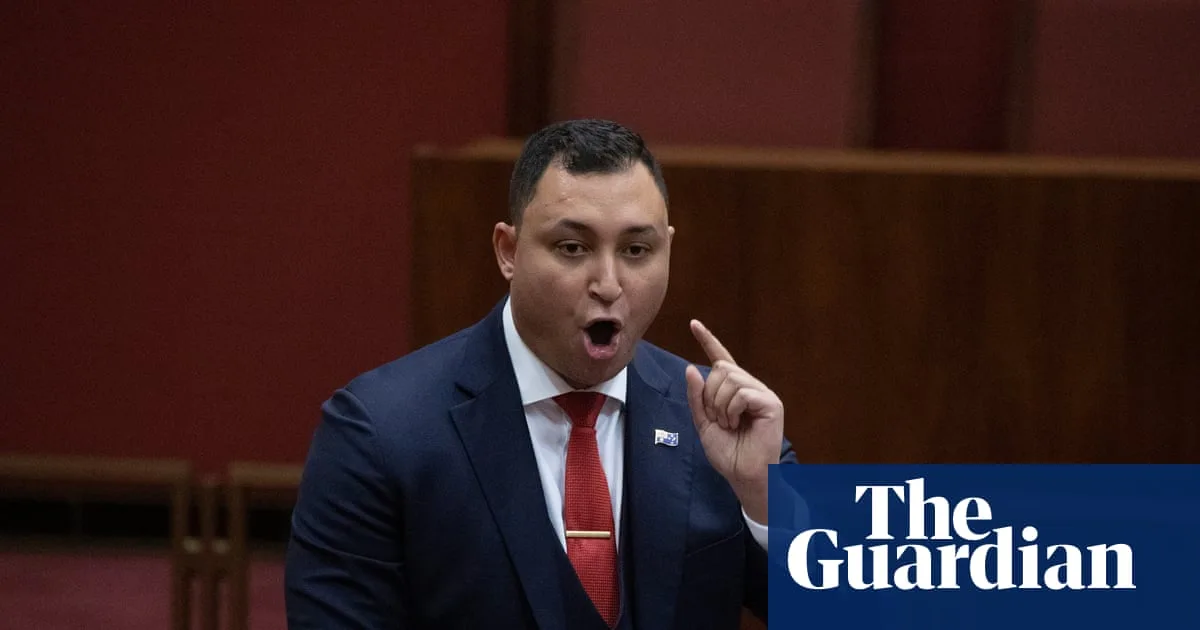
Senator Ralph Babet Defies Watchdog Over Offensive Social Media Posts
Babet Rejects Sanction for Offensive Social Media Comments

Senator Ralph Babet Defies Parliamentary Watchdog Over Offensive Social Media Posts

The United Australia Party senator Ralph Babet has defiantly refused to accept any sanctions imposed by the parliamentary behaviour watchdog, the Independent Parliamentary Standards Commission (IPSC), over what it deemed "offensive" and "disrespectful" comments on social media. Babet, the sole senator for his party, labelled the commission's findings as "dumb" and dismissed the mandated sensitivity training as "ridiculous."

IPSC Investigation and Breaches of Code

The IPSC, established in October 2024 following the Set the Standard report, issued its first public statement regarding an investigation late last month. It centred on a social media post by Babet in November 2024, in which he used the N-word and highly offensive terms targeting gay and disabled individuals. A panel of three commissioners determined that this post breached two key paragraphs of the 2024 code of behaviour for parliamentarians.

The code stipulates that parliamentarians must play a "leading role in fostering a healthy, safe, respectful, and inclusive environment" and "recognise the importance and value of diverse viewpoints, ensuring robust debate is conducted with respect for differing views." The panel concluded that Babet's posts were "offensive, disrespectful, and harmful to individuals who are commonwealth parliamentary workplace participants."

Babet's Non-Compliance and Criticism

As part of the sanction, Babet was required to attend one-on-one workplace behaviour training by 20 December 2025, but he has failed to comply. Under legislative provisions, the IPSC is permitted to make a public statement when a parliamentarian does not adhere to a sanction, a measure it seldom employs otherwise. Babet told Guardian Australia that he believes "out of control" bureaucrats should not police his comments outside the parliamentary chamber, describing the commission as "very dangerous."

Additionally, the senator was asked to enter into a behaviour agreement with the IPSC, committing to refrain from using "racist, homophobic, sexist, or other language demeaning of others" in any form, including social media, until his term expires. He has rejected this as well.

Political Reactions and Calls for Stronger Action

The Greens' democracy spokesperson, Stephanie Hodgins-May, criticised the IPSC's ruling, stating it exposed the watchdog as having "no real teeth." She argued that if a senator can ignore an independent ruling, the system is broken, and racial slurs by sitting senators should carry real consequences. Hodgins-May called for the matter to be referred to the Privileges Committee, which can impose more severe sanctions such as fines, suspension from parliament, or removal from committees.

A government spokesperson, when questioned about the IPSC's effectiveness, emphasised its independence, stating it operates according to its legislation. In the week following Babet's posts, he was censured in the Senate for "his inflammatory use of hate speech, designed to drive division for his own political benefit." Former Liberal senator Simon Birmingham described the comments as "repugnant, abhorrent" and having "no place" in civil discourse.

Confusion Over IPSC Functionality

Independent senator Lidia Thorpe, who was also censured on the same day for a protest against King Charles, expressed confusion over the IPSC's investigation into Babet. She noted that the outcome offered "no real insight" into how the watchdog functions, suggesting it merely named the senator involved without clarity on whether stronger sanctions were considered. Thorpe argued that an accountability system controlled by politicians lacks public faith and should be more detached from political interests.

This case highlights ongoing debates about parliamentary conduct, the enforcement of behavioural standards, and the balance between free speech and respectful discourse in Australian politics.