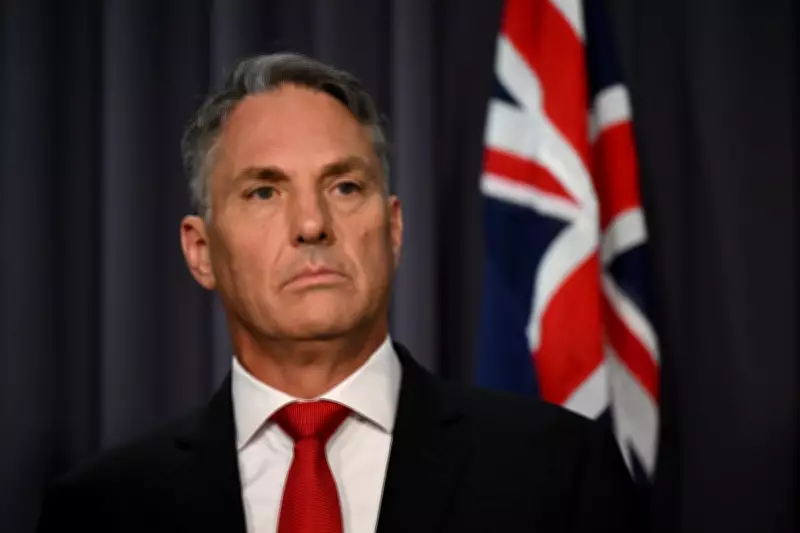
Australian politics is currently embroiled in a period of significant turmoil, with key developments unfolding in parliament that are capturing national attention. The political landscape is being shaped by a leadership spill challenge, intense budget pressures, and ongoing debates over the cost-of-living crisis, all of which are dominating parliamentary question time sessions.
Leadership Spill Challenge and Defence Dynamics
A major focal point of the current political unrest is a leadership spill challenge within the government, which has introduced uncertainty and internal strife. This challenge is not only affecting party cohesion but also has broader implications for national defence policies. Defence Minister Richard Marles is at the centre of these discussions, as his leadership and strategic decisions are under scrutiny amidst the spill. The situation highlights the fragile nature of political alliances and the potential for rapid shifts in power dynamics that could impact Australia's defence posture and international relations.
Budget Pressures and Economic Concerns
Simultaneously, Treasurer Jim Chalmers is grappling with mounting budget pressures as the government seeks to address the escalating cost-of-living crisis. The budget is a critical tool in managing economic stability, but it faces challenges from inflation, rising household expenses, and global economic uncertainties. Chalmers' approach to fiscal policy is being closely watched, with debates in parliament focusing on how to balance spending priorities with the need for financial restraint. This economic backdrop adds another layer of complexity to the political turmoil, as voters express growing concerns over affordability and economic security.

Parliamentary Question Time and Partisan Debates
Parliamentary question time has become a heated arena for these issues, with Opposition Leader Sussan Ley and Prime Minister Anthony Albanese engaging in sharp exchanges. Ley has been vocal in criticising the government's handling of the cost-of-living crisis and the leadership instability, while Albanese defends his administration's record and policies. These debates reflect deep partisan divides, with both sides leveraging the situation to gain political advantage. The intensity of these sessions underscores the high stakes involved, as public opinion and electoral prospects hang in the balance.
Broader Implications for Australian Governance
The convergence of these factors—leadership challenges, budget strains, and cost-of-living debates—points to a broader period of instability in Australian governance. This turmoil could have lasting effects on policy-making, particularly in areas like defence, where consistent leadership is crucial for long-term planning. Additionally, the economic pressures may force the government to reconsider its fiscal strategies, potentially leading to shifts in social welfare and infrastructure investments. As the situation evolves, it will be essential to monitor how these dynamics influence voter sentiment and the overall political climate in Australia.
In summary, Australian politics is navigating a complex web of challenges that are testing the resilience of its institutions and leaders. The outcome of the leadership spill, the effectiveness of budget measures, and the resolution of cost-of-living issues will all play pivotal roles in shaping the country's future direction.