Andy Burnham's Political Ambitions Thwarted in By-Election Bid
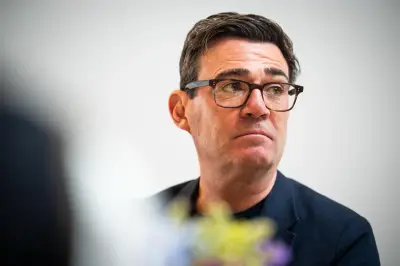
In a significant political development, Andy Burnham, the Mayor of Greater Manchester, has been barred from standing in the crucial Gorton and Denton by-election. This decision follows Burnham's application to Labour's National Executive Committee (NEC) for permission to seek selection, after current MP Andrew Gwynne announced his intention to stand down due to health reasons.
The NEC's Decisive Vote Against Burnham
The NEC, including Prime Minister Sir Keir Starmer, voted overwhelmingly 8-1 against allowing Burnham to step down from his mayoral role. Key reasons cited included the substantial cost to taxpayers of conducting an unexpected mayoral election to find his replacement. Burnham expressed his disappointment with the decision, stating his concern about its potential impact on upcoming important elections while pledging full support to Labour's eventual candidate.
Starmer's Public Response and Strategic Considerations
Sir Keir Starmer has broken his silence on the matter, acknowledging Burnham's excellent work as mayor but emphasising that allowing him to run for Westminster would divert crucial resources from Labour campaigns in the imminent May elections. Starmer highlighted the importance of local council elections across England, as well as significant elections in Wales and Scotland that will affect millions of people.
From Humble Beginnings to Political Prominence
Andy Burnham's journey to political prominence began in Liverpool, where he was born to a BT engineer father and a GP receptionist mother. Raised in the Cheshire village of Culcheth, he attended a local Roman Catholic comprehensive school and developed early passions for Everton FC, cricket, and Manchester music, particularly The Smiths and The Stone Roses.
Academic Excellence and Cambridge Challenges
Despite initial plans to study Spanish, an inspiring English teacher steered Burnham towards Cambridge University, where he studied English. He has spoken candidly about struggling to feel part of the university culture, finding identity through his growing interest in Manchester music. His political awakening came early, joining the Labour Party at just 14 after watching the BBC drama Boys From The Blackstuff, which depicted struggles during the Thatcher years.
Family Life and Personal Foundations
During his Cambridge years, Burnham met his future wife, Marie-France van Heel, affectionately known as Frankie. The couple, who bonded over a shared love of football, married in 2000 and have three children. Burnham has spoken openly about the challenges of balancing political career demands with family life, expressing hope that his work doesn't discourage his children from public service.
Political Career Development and Westminster Experience
Before entering politics, Burnham pursued journalism through an unpaid internship at the Middleton Guardian, an experience that shaped his views on fair access to opportunities. His political career began in 1994 as a researcher for Labour minister Tessa Jowell, followed by roles with the Transport and General Workers' Union and as parliamentary officer for the NHS Confederation.
Rapid Political Advancement
Burnham's political trajectory accelerated significantly after winning the Leigh parliamentary seat in 2001. Under Gordon Brown's leadership from 2007, he became a Cabinet standout, progressing through roles as Chief Secretary to the Treasury, Culture Secretary, and Health Secretary. During this period, he gained recognition for spearheading the campaign that led to the second Hillsborough inquiry.
Leadership Bids and Mayoral Transition
Burnham launched his first Labour leadership bid in 2010, ultimately defeated by Ed Miliband, under whom he served as Shadow Education Secretary and Shadow Health Secretary. A second leadership challenge in 2015 saw him finish runner-up to Jeremy Corbyn. After a brief stint as Shadow Home Secretary under Corbyn, Burnham stepped down in 2016 following his election as Manchester's Mayor.
The 'King of the North' Era and Political Philosophy
Burnham's decision to leave Westminster came during a pivotal moment in a Westminster pub with Liverpool Mayor Steve Rotheram, where they resolved to 'build something different from the outside' through mayoral roles. Throughout his tenure, Burnham has consistently championed Northern interests, bringing essential services like buses back into public ownership.
Defining Moments and Political Identity
Perhaps Burnham's most defining moment arrived in 2020 during the Covid pandemic, when he confronted Whitehall while negotiating financial support packages for local residents. His rousing speech in Manchester city centre earned him the nickname 'King of the North'. Burnham has developed a political philosophy he terms "Burnhamism" or "aspirational socialism", emphasising secure housing, affordable services, and speaking to working-class ambition.
Current Position and Future Prospects
As Mayor of Greater Manchester, Burnham receives an annual salary of £114,000 and resides in Leigh with his family. Despite his recent setback in the by-election bid, supporters believe his political trajectory continues upward. Burnham has expressed willingness to collaborate across party lines to implement substantial change, advocating for greater public ownership of housing, energy, water, and rail infrastructure.
When questioned about his aspirations for Downing Street, Burnham pointed to his two previous Labour leadership bids, suggesting his ambitions remain significant. His journey from working-class roots to becoming a powerful regional leader continues to shape Northern politics and influence national conversations about devolution and regional empowerment.