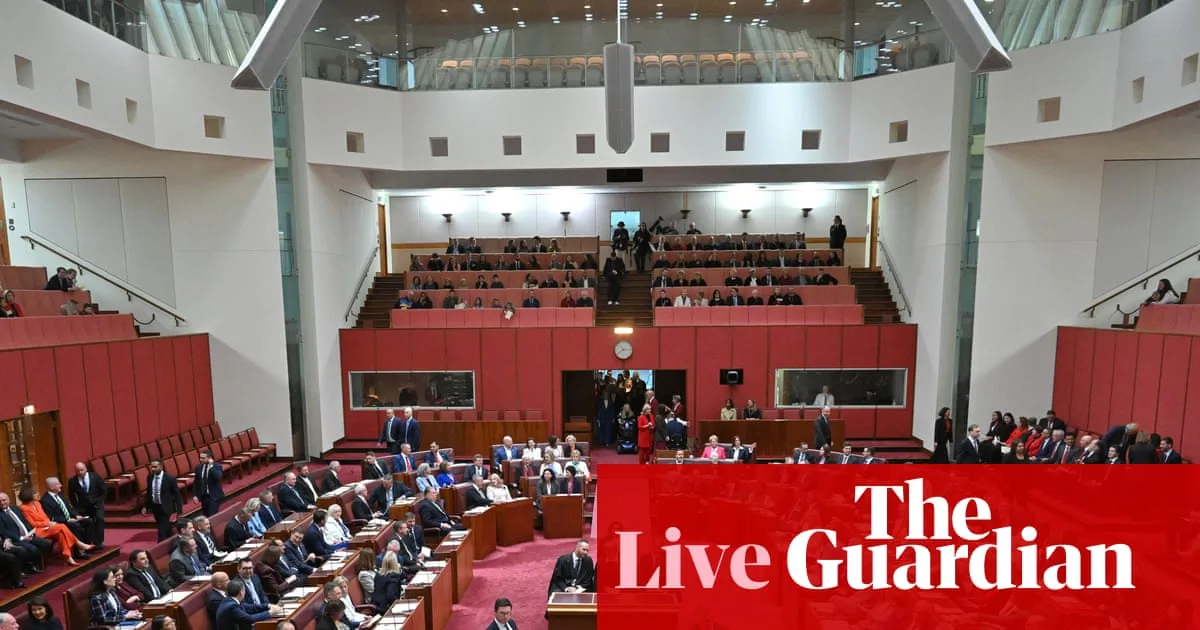
Albanese Confronts Intense Question Time Scrutiny Over Domestic and Foreign Policies
Prime Minister Anthony Albanese faced a rigorous and heated Question Time session in Parliament, where he was pressed on critical issues including the escalating cost-of-living crisis and Australia's evolving policy towards the Middle East. The opposition, led by Shadow Treasurer Angus Taylor, launched a series of pointed inquiries aimed at challenging the government's handling of these pressing matters.
Cost-of-Living Pressures Dominate Parliamentary Debate
The session was dominated by discussions on the financial strain affecting Australian households, with Albanese defending his administration's economic strategies. He outlined measures intended to alleviate inflation and support vulnerable citizens, but faced persistent questioning over the effectiveness and timeliness of these interventions. Angus Taylor criticised the government's approach, arguing that current policies are insufficient to address the deepening affordability challenges faced by families across the nation.
Middle East Policy Under the Microscope
In addition to domestic concerns, Albanese was quizzed on Australia's stance in the Middle East, particularly regarding diplomatic relations and security implications. The Prime Minister reiterated the government's commitment to a balanced and principled foreign policy, emphasising efforts to promote stability and humanitarian aid in the region. However, opposition members raised doubts about the coherence and impact of these initiatives, calling for greater clarity and accountability.
Work-from-Home and Victorian Issues Add to the Agenda
The Question Time also touched on other topics, such as the ongoing debate over work-from-home arrangements and specific challenges in Victoria. Albanese addressed queries about labour market flexibility and regional support, highlighting collaborative efforts with state governments to address localised economic and social issues. These discussions underscored the broad range of policy areas under parliamentary scrutiny during the session.
Political Dynamics and Future Implications
The intense exchange reflects the heightened political tensions as both major parties position themselves ahead of future electoral contests. Analysts suggest that Albanese's performance in Question Time could influence public perception of his leadership, particularly on economic and international fronts. The session has set the stage for continued debate in the coming weeks, with cost of living and foreign policy likely to remain central themes in Australian politics.




