
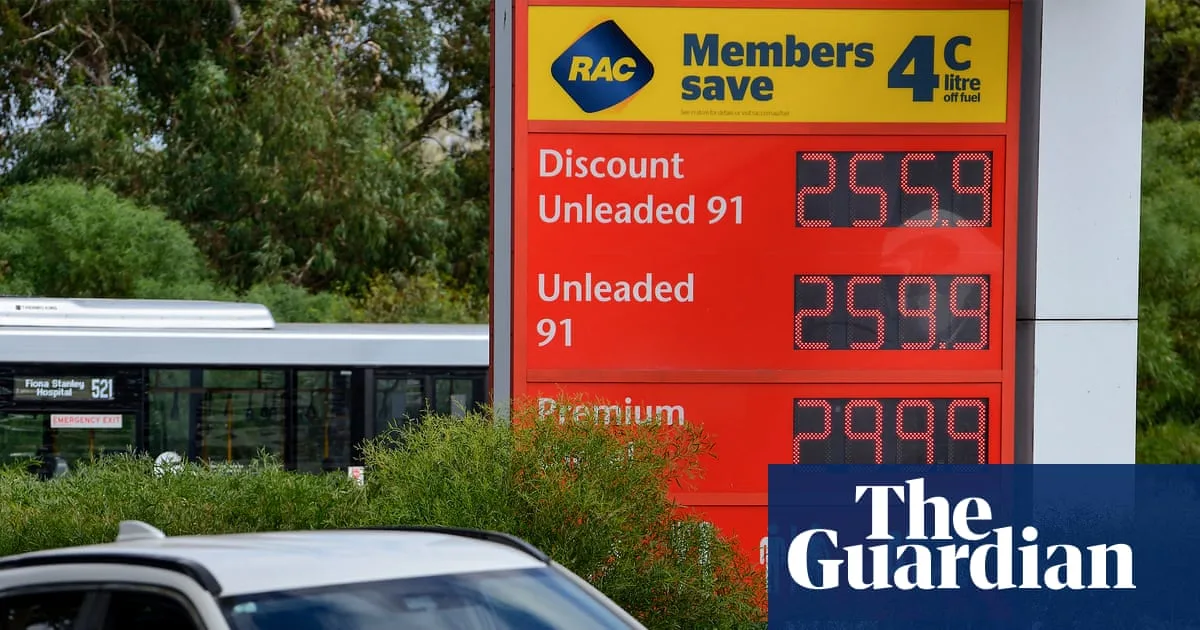
Pressure is mounting on the Albanese government to help households struggling with fuel prices, with working from home and free public transport proposed as possible solutions. Nearly 150,000 New Zealand families will soon receive a weekly cash payment to help afford petrol, believed to be the world’s first fuel relief package that directly pays citizens since the Israel-US war on Iran began.
On Tuesday, Treasurer Jim Chalmers ruled out any cut to the fuel excise, which adds over 52 cents per litre to petrol prices. Tax rate cuts from next financial year are the main focus, he said. Minister for Social Services Tanya Plibersek said working from home would be “helpful” but stopped short of a directive, stating: “We’re not telling people that they must work from home.”
The Nationals, Greens and crossbench voted for a motion urging “accessible, free or affordable nationwide public transport” during the crisis, with the Liberals abstaining. In NSW, the opposition called for a daily fuel price cap and free Easter public transport, but Premier Chris Minns noted transport is already heavily subsidised.
Independent ACT Senator David Pocock proposed a flat 25% export levy on gas producers to redirect “wartime profits” to support struggling Australians. “People on fixed incomes… are hurting the most,” he said, suggesting revenue could fund free public transport and welfare increases. Greens Senator Penny Allman-Payne urged the government to pause mutual obligations for welfare recipients, warning many cannot afford travel for appointments.
Economic Justice Australia noted mutual obligations are often paused in natural disasters. A government spokesperson encouraged participants to contact their employment services provider if struggling, adding that “flexibility in attending face-to-face appointments and assistance with transport” may be available.




