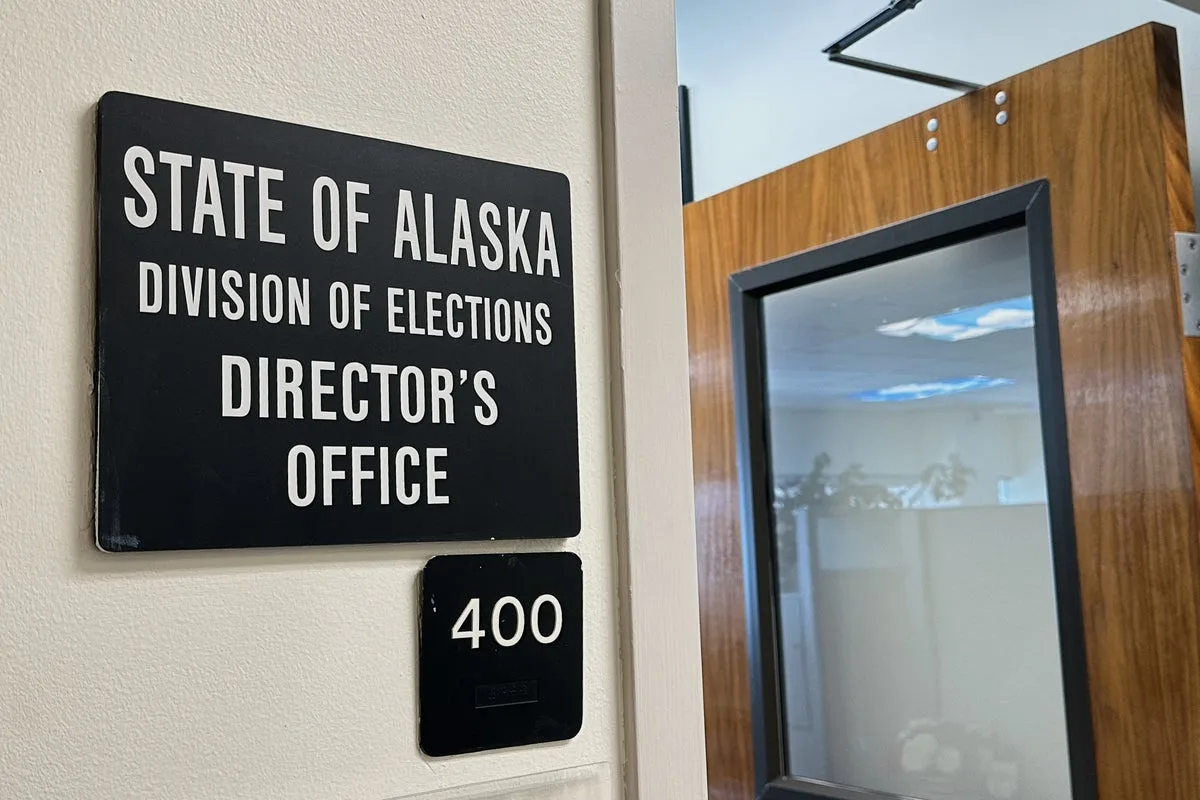
Alaska Voter Data Lawsuit: Groups Challenge DOJ Sharing as Unconstitutional
Voting and civil rights groups have filed a lawsuit against Alaska election officials, alleging that the sharing of the state's full voter registration list with the U.S. Department of Justice is unconstitutional. The lawsuit, filed in state court on Wednesday, claims this action violates the right to privacy under the Alaska Constitution.
Background of the Data Sharing Agreement
Alaska is one of at least twelve states that have provided or agreed to provide detailed voter information to the Trump administration, according to the Brennan Center. This data includes sensitive details such as date of birth, driver's license numbers, and partial Social Security numbers. Alaska and Texas also signed memoranda of understanding with the Justice Department, outlining plans for federal analysis of voter files, flagging issues, and directing the removal of voters deemed ineligible.
Several other states have provided similar data but refused these agreements, as part of a broader Justice Department effort to obtain detailed voter information nationwide. Some election officials have expressed concerns that the data could be used by the Trump administration to search for potential noncitizens, raising fears about voter suppression.
Legal Claims and Defendants
The lawsuit was filed by the League of Women Voters of Alaska and the Alaska Black Caucus against Republican Lt. Gov. Nancy Dahlstrom, who oversees the Division of Elections, and division Director Carol Beecher. It alleges that the sharing of personal voter data breaches constitutional privacy protections and violates due process by allowing the Justice Department to flag voters for removal without adequate notice or opportunity for challenge.
Steve Kirch, a spokesperson for the Division of Elections, referred requests for comment to the Alaska Department of Law, which did not immediately respond. The plaintiffs are represented by the American Civil Liberties Union of Alaska, the ACLU Voting Rights Project, and the Electronic Privacy Information Center.
Broader National Context
The Justice Department has sued at least thirty states and the District of Columbia to force the release of voter data, according to the Brennan Center. However, judges have rejected these efforts in states including California, Massachusetts, Michigan, Oregon, and most recently, Rhode Island. In Georgia, a lawsuit was dismissed due to being filed in the wrong city and later refiled.
In the Rhode Island case, Justice Department attorneys acknowledged that unredacted voter information was sought to share with the Department of Homeland Security for citizenship status checks. Beyond the Alaska state lawsuit, at least four federal lawsuits have been filed across the U.S. to halt the Justice Department's collection of voter data or prevent states from canceling registrations based on the federal project.
State and Federal Tensions
During a legislative hearing in Alaska last month, Rachel Witty, an attorney with the state Department of Law, argued that the state had a "compelling interest" to comply with the federal request to ensure election integrity and maintain accurate voter rolls. However, the lawsuit counters that state law only allows for prompt cancellation of voter registrations in limited circumstances, such as upon death or felony conviction involving moral turpitude.
The plaintiffs assert that while election officials claim they will only remove voters as permitted by law, this stance conflicts with the agreement signed with the Justice Department. They are seeking a court order to void the agreement and require the Division of Elections to ensure the immediate destruction of all shared voter data by the Justice Department.
Eric Glatt, legal director for the ACLU of Alaska, stated, "Rather than fiercely defending the rights of Alaska's voters, our Division of Elections acceded to federal overreach. Now, we are asking the court to step in and ensure that DOE upholds its constitutional and legal obligations to Alaskans."
Associated Press reporter John Hanna in Topeka, Kansas, contributed to this report.






