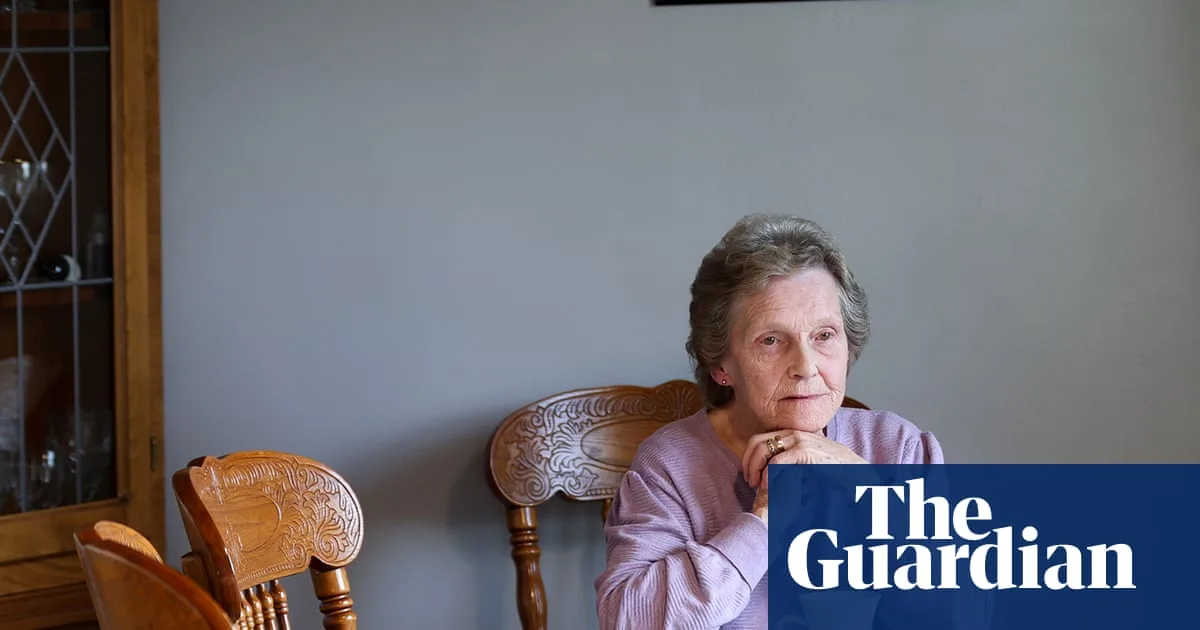
Pam Morrison, now 78 years old, carries a burden of grief that has only intensified with the passing decades. Her three brothers—Ronnie, Cecil, and Jimmy Graham—were systematically murdered by the IRA during the darkest days of Northern Ireland's Troubles, a series of events that left an indelible scar on her family and the rural community of County Fermanagh.
A Unique Tragedy in the Annals of the Troubles
Even amidst the widespread violence of the Troubles, the targeting of three Protestant brothers in separate incidents stands out as particularly brutal and calculated. Ronnie Graham was the first to fall, shot dead in June 1981 while delivering coal and groceries. Cecil followed in November of the same year, ambushed as he visited his wife and newborn baby. The final blow came in February 1985, when Jimmy was gunned down in a hail of bullets as he parked his school bus.
The Relentless Onslaught of Grief
"The torture never ended," Morrison reflects with a heavy heart. "First Ronnie, then Cecil, then Jimmy. You never really got a chance to get yourself sorted out." For over three decades, she maintained a painful silence, fearing that speaking out might provoke further attacks from the IRA, especially given her family's connections to the Ulster Defence Regiment.
Now, as the last surviving sibling of eight, Morrison feels a profound responsibility to break that silence and ensure her brothers are not forgotten. "It takes an awful lot out of me to try to talk," she admits from her home near Lisnaskea. "But I want to try."
The Lingering Absence of Justice
Despite her determination, Morrison holds little hope for justice. No convictions were ever secured for the murders, and she remains sceptical that recent changes to legacy legislation will make any meaningful difference. In the tight-knit community of Fermanagh, suspicions about the perpetrators persist, with Morrison recalling chilling encounters where alleged killers would stare her down in public.
A Calculated Campaign of Intimidation
Kenny Donaldson of SEFF, a Fermanagh-based victims' group, emphasises that the Graham brothers' murders were not random acts of violence. "There was a purpose to it," he explains. The killings served as a stark warning to others against joining the security forces or crossing sectarian divides, reflecting a broader pattern of targeted attacks in the region.
Unlike many IRA operations elsewhere, the Fermanagh campaign often involved meticulously screening and selecting victims, many of whom were attacked while off-duty and unarmed. This has fuelled perceptions of sectarian score-settling rather than purely military objectives.
Personal Reflections and Community Impact
Morrison describes Jimmy's murder as the most devastating. "He was that badly damaged none of us ever got to see him," she recalls. "It was a complete outsider who had to identify the body." The trauma reverberated through the community, with writer Colm Tóibín noting in his research that some locals attributed subsequent tragedies to divine retribution for the Grahams' fate.
Despite her suffering, Morrison harbours no desire for revenge. "I never wanted revenge, only justice," she states firmly. Her commitment to reconciliation is evident in her friendships with Catholics and her contributions to a memorial tapestry at SEFF's office that honours victims from all sides of the conflict.
A Broader Context of Loss
The Graham family's tragedy is not isolated. In 1976, the Ulster Volunteer Force murdered three brothers—John Martin, Brian, and Anthony Reavey—in a single attack in County Armagh, allegedly with security force complicity. These parallel stories underscore the cyclical nature of violence during the Troubles and the enduring pain inflicted on families across communities.
As Morrison prepares to mark the 41st anniversary of Jimmy's murder, she does so with the same rituals of memory, prayer, and resilience that have sustained her for decades. "The older you get, the worse it gets, the more you want them," she confesses. "Time never helps. No matter how long it is, that's something you just can never forget. The pain is still there, something you just have to carry."




